What to Understand About Dry Needling Before Your First Visit
Pembina Physiotherapy & Sports Injury Clinic • August 19, 2026
Dealing with deep, persistent muscle knots can make simple movements feel restricted and uncomfortable during your daily routine. At Pembina Physiotherapy & Sports Injury Clinic, we meet many individuals who have tried heat pads and basic stretching without finding lasting relief from their chronic discomfort. When localized muscle tissue remains in a constant state of contraction, it can restrict blood flow and irritate the surrounding nerves. This often leads to a cycle of stiffness and discomfort that is difficult to break using superficial treatments alone.
Dry needling is a clinical technique designed to target these stubborn areas directly by interacting with deep muscular trigger points. If you are exploring this option, finding a professional dry needling clinic in Winnipeg ensures your care is managed with high clinical standards. Understanding how this specific anatomical treatment works can help you feel completely prepared and confident before scheduling your initial session.
In This Article:
- Understanding the Clinical Science Behind the Needle
- Industry Red Flags to Watch for When Choosing a Practitioner
- Essential Questions to Ask Before Your First Session
Understanding the Clinical Science Behind the Needle
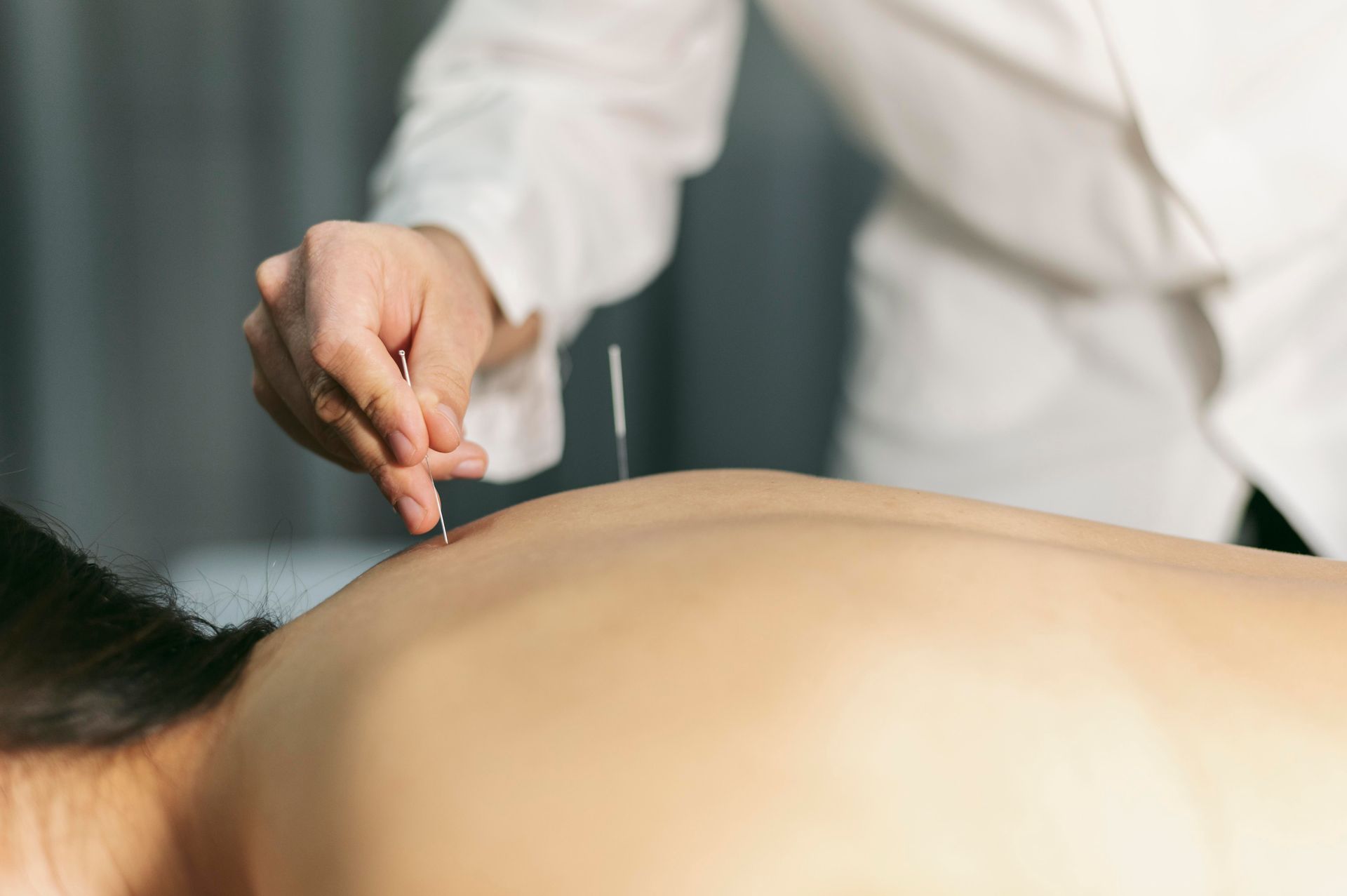
Dry needling involves inserting a fine, sterile filament needle directly into a hyperirritable spot within a taut band of muscle tissue. Unlike injections, no medication is utilized during this process, the therapeutic effect comes entirely from the mechanical stimulation of the tissue. When the needle enters the trigger point, it elicits a brief localized twitch response, which is an involuntary contraction of the tight muscle fibers.
This muscle twitch response helps reset the dysfunctional electrical signals between your nervous system and the muscle belly. It also encourages a fresh influx of oxygenated blood to the area, which helps flush out accumulated metabolic byproducts. This mechanical release frequently leads to an immediate improvement in joint mobility and a reduction in localized discomfort.
Is dry needling painful for chronic muscle tension?
While the initial insertion of the thin needle is rarely felt, the subsequent localized twitch response can cause a brief, dull ache or a deep cramping sensation. This physical feeling lasts only a few seconds and is a positive clinical indicator that the targeted muscle fibers are successfully releasing their tension. Most patients describe the sensation as a healthy ache that is followed by a distinct feeling of structural relaxation in the muscle.
Industry Red Flags to Watch for When Choosing a Practitioner
When researching needling therapies in the Winnipeg area, maintaining high safety standards is essential for a positive clinical experience.
• Inadequate Assessment Protocols: A major concern is any provider who offers needling treatments immediately without performing a complete physical and movement check first.
• Missing Hygiene Standards: Safe practices require the strict use of single use, individually sealed sterile needles that are disposed of in a medical biohazard container immediately after use.
• Rushed Clinical Explanations: Practitioners should always take the time to explain the anatomical landmarks they are targeting and obtain your clear consent before beginning.
Essential Questions to Ask Before Your First Session
Being fully informed about your physical care allows you to participate actively in your own recovery journey.
• Training Background: Ask about the specific postgraduate clinical credentials and needling certifications your physical therapist has achieved.
• Care Plan Integration: Inquire how this specific technique will be paired with active exercise therapy and manual therapy to ensure long term tissue changes.
• Post Care Expectations: Request clear guidance on what activities you should avoid immediately following a treatment session to optimize your tissue recovery.
→ From a professional standpoint: Dry needling is most effective when utilized as a supportive tool to clear movement barriers, allowing you to perform your rehabilitation exercises with better form.
Taking the Next Step in Muscle Recovery
Resolving long standing muscle tension requires looking past superficial options and addressing the deeper mechanical points of restriction. By understanding the physical science and maintaining high expectations for clinical safety, you can approach your treatment with complete peace of mind. If you are ready to address chronic muscle stiffness and improve your overall mobility, a structural evaluation is a practical way to start. Contact Pembina Physiotherapy & Sports Injury Clinic to speak with our professional team about your recovery goals.
Share This Blog