5 Evidence Based Ways Acupuncture Supports Physical Recovery
Pembina Physiotherapy & Sports Injury Clinic • September 22, 2026
Managing acute pain and chronic physical restriction requires therapies that support the natural healing processes of your body. At Pembina Physiotherapy & Sports Injury Clinic, we encounter many patients seeking alternatives to standard anti inflammatory medications for their recovery. The integration of clinical needling techniques offers a direct way to influence the nervous system and promote tissue repair. Understanding the specific physiological responses these treatments trigger can help you make informed decisions about your rehabilitation journey.
Choosing a combined approach of active physiotherapy and acupuncture provides a highly effective strategy for managing complex musculoskeletal issues. Rather than viewing needling as a standalone miracle cure, clinical evidence demonstrates its value as a powerful physiological catalyst. We detail the specific biological mechanisms that make this ancient practice a cornerstone of modern physical rehabilitation.
What You Will Learn:
- Tip #1: Stimulate Endogenous Pain Relief
- Tip #2: Enhance Localized Tissue Circulation
- Tip #3: Regulate the Autonomic Nervous System
- Tip #4: Reduce Muscular Hypertonicity
- Tip #5: Accelerate Connective Tissue Remodeling
- Frequently Asked Questions
Tip #1: Stimulate Endogenous Pain Relief
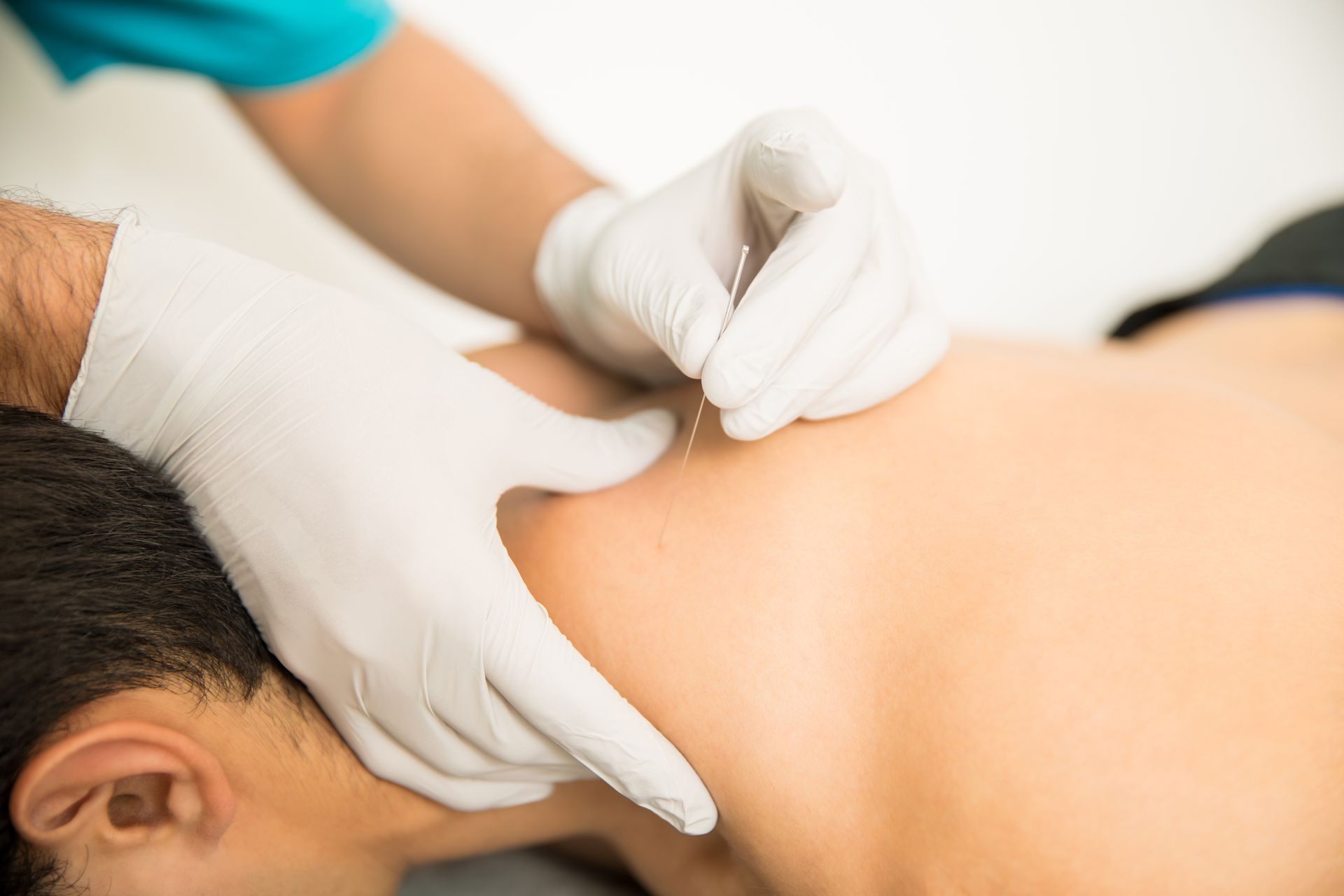
The insertion of fine needles at specific anatomical points triggers a profound response within the central nervous system. This process helps your body manufacture its own natural pain management chemicals.
• Endorphin Release: The mechanical stimulus prompts the brain to release endorphins, which are powerful internal opioids that naturally dampen pain signals.
• Gate Control Activation: The sensory input from the needles essentially blocks slower pain messages from reaching the brain, offering immediate symptom reduction.
• Sustained Comfort: Regular sessions can create a cumulative analgesic effect, making daily movement significantly more comfortable.
Tip #2: Enhance Localized Tissue Circulation
Healing stagnant or damaged tissues requires a robust supply of oxygen and essential nutrients. Needling creates microscopic changes that drastically improve local blood flow.
• Vasodilation Effect: The treatment causes local blood vessels to widen, instantly bringing fresh red blood cells to the compromised area.
• Metabolic Flushing: Increased circulation helps flush out accumulated inflammatory byproducts that cause deep joint aching.
• Cellular Repair: Delivering concentrated nutrients directly to an injured tendon or muscle accelerates the cellular rebuilding phase.
Patients frequently remark on how finding the right clinical combination finally breaks their cycle of chronic pain. This holistic approach to symptom management is highly valued at our clinic.
► Client Experience: I had been dealing with headaches, along with hand pain and numbness, for about a month. I tried several treatments and finally decided to go for physiotherapy. Sabrina did an excellent job—after just the first session, I felt significant relief. I understand healing takes time, but the improvement was impressive. She was very knowledgeable, professional, and caring.
Combining manual therapy with specific modalities provides the comprehensive relief needed to restore function.
Tip #3: Regulate the Autonomic Nervous System
Chronic pain often forces your body into a constant state of physiological stress, known as the sympathetic fight or flight response. True tissue healing occurs most efficiently when the nervous system is calm.
• Parasympathetic Shift: Needling specific clinical points encourages the body to shift into a parasympathetic state, promoting deep rest and recovery.
• Cortisol Reduction: Lowering systemic stress hormones reduces overall tissue inflammation and improves your sleep quality.
• Improved Recovery Environment: A regulated nervous system allows your body to direct more energy toward repairing damaged muscle fibers.
Tip #4: Reduce Muscular Hypertonicity
When muscles remain locked in a state of high tension, they limit joint mobility and create chronic structural imbalances.
• Neuromuscular Reset: The physical presence of the needle interrupts the dysfunctional electrical signals keeping the muscle locked in spasm.
• Spindle Deactivation: It calms the hyperactive muscle spindles, allowing the tissue fibers to lengthen and relax naturally.
• Restored Mechanics: Relaxing these tight bands immediately improves your functional range of motion during active exercise therapy.
Tip #5: Accelerate Connective Tissue Remodeling
Injuries involving ligaments and tendons heal slowly due to their naturally poor blood supply. Clinical needling introduces micro trauma to force a specific healing response.
• Fibroblast Activation: The micro lesion created by the needle stimulates fibroblasts, the specific cells responsible for laying down new collagen fibers.
• Structural Realignment: This targeted stimulation helps ensure new scar tissue forms in a structurally organized and resilient manner.
• Tendon Resilience: It is particularly effective for stubborn conditions like Achilles tendinopathy, where tissue remodeling has completely stalled.
Frequently Asked Questions
How does acupuncture reduce local inflammation?
The insertion of sterile needles creates a micro trauma that initiates a controlled, localized immune response. This prompts the body to release specific anti inflammatory mediators and white blood cells directly to the targeted site. By concentrating the body's natural immune resources, the treatment effectively resolves lingering pockets of swelling that restrict joint movement and cause dull, aching pain.
Is acupuncture safe to combine with exercise therapy?
Yes, combining these two modalities is a highly effective clinical strategy for long term recovery. Needling is often utilized at the beginning of a session to calm irritated nerves and release tight muscular restrictions. Once the tissue is physically relaxed and pain is reduced, patients can perform their active strengthening exercises with much better biomechanical form and significantly less discomfort.
What is the difference between acupuncture and dry needling?
While both techniques utilize the same thin filament needles, they follow different clinical philosophies and anatomical targets. Traditional acupuncture focuses on restoring energy flow along specific meridian lines to balance systemic health and reduce pain. Dry needling is based entirely on western anatomical science, targeting hyperirritable muscular trigger points directly to elicit a mechanical twitch response and resolve localized tissue tension.
Enhancing Your Recovery Process
Integrating clinical needling into your physical rehabilitation provides a proven method for managing pain and accelerating tissue repair. By leveraging your body's natural physiological responses, you can achieve better mobility and lasting comfort. If you are struggling with stubborn pain or slow healing injuries, exploring this evidence based option is a smart step forward. Contact Pembina Physiotherapy & Sports Injury Clinic to discuss how this treatment can support your specific physical goals.
Share This Blog