Addressing Summer Sports Injuries Before Indoor Leagues Begin
Pembina Physiotherapy & Sports Injury Clinic • September 8, 2026
Transitioning from outdoor summer activities to indoor fall sports often reveals lingering physical issues that were previously ignored. At Pembina Physiotherapy & Sports Injury Clinic, we frequently see athletes attempt to push through mild summer strains as they join new leagues. A minor tweak sustained on the field can quickly develop into a limiting mechanical restriction when exposed to the hard surfaces of indoor courts. Ignoring these early warning signs compromises your performance and drastically increases your risk of a severe acute injury.
Addressing these soft tissue concerns requires proactive clinical intervention before the indoor season officially begins. Visiting a dedicated sports injury clinic in Winnipeg allows you to correct underlying imbalances and restore tissue resilience. We have outlined a precise sequence of actions to ensure your body is structurally prepared for the physical demands ahead.
In This Article:
- Stage 1: Assess
- Stage 2: Schedule
- Stage 3: Protect
- Frequently Asked Questions
Stage 1: Assess
Before committing to an indoor roster, you must honestly evaluate the current physical state of your joints and muscles. Identifying functional deficits early prevents compensation injuries later in the season.
• Load Testing: Pay attention to any sharp discomfort or hesitation when hopping on one leg or quickly changing directions.
• Range of Motion Checks: Compare the flexibility of your previously injured joint against your healthy side to spot hidden stiffness.
• Swelling Monitoring: Look for localized fluid accumulation around the ankles or knees following a routine practice session.
• Strength Symmetry: Notice if one leg fatigues significantly faster than the other during standard conditioning drills.
Stage 2: Schedule
Once you identify a mechanical restriction, securing a clinical evaluation is the necessary next step. Professional insight translates your physical symptoms into a clear recovery strategy.
• Baseline Screening: Book an initial functional movement assessment to measure your current tissue capacity objectively.
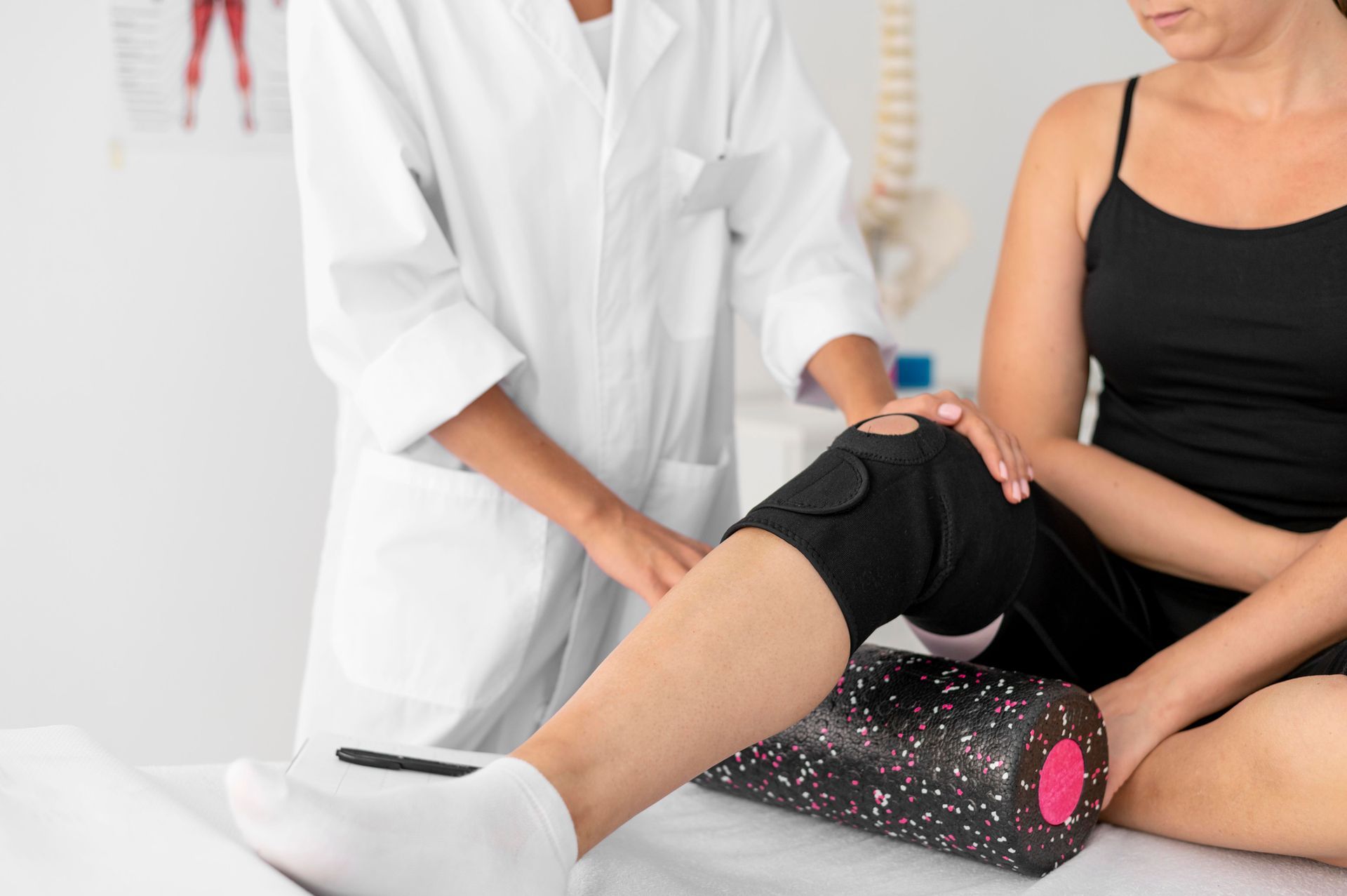
• Treatment Planning: Work with your practitioner to outline a specific timeline for manual therapy and active exercise rehabilitation.
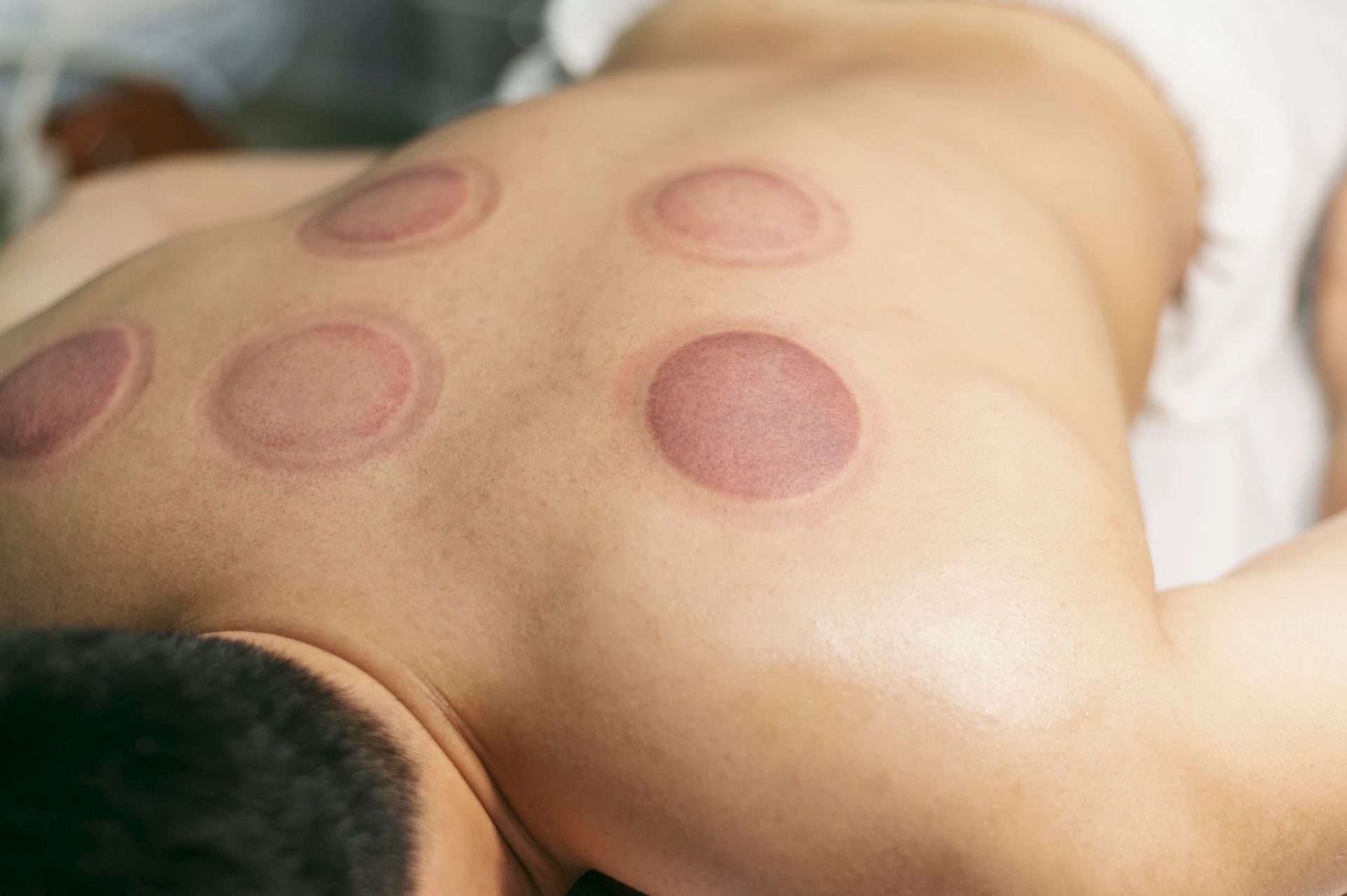
• Modality Integration: Discuss incorporating targeted treatments like cupping to resolve deep fascial restrictions before your first game.
• Goal Alignment: Ensure your therapy milestones align directly with the specific physical requirements of your chosen sport.
Creating a positive and effective recovery environment is essential for athletes anxious to return to play. This is something our patients value when working through their rehabilitation goals.
► Client Experience: I am happy to meet my Therapist Erin. She did a great job and the staff are friendly too! Highly recommended.
A supportive clinical atmosphere ensures you remain focused and committed to the necessary strengthening protocols.
Stage 3: Protect
Following your clinical treatments, implementing targeted protective measures ensures your newly restored mobility remains intact during competition.
• Dynamic Warmups: Replace static stretching with active movement drills that physically prepare your nervous system for rapid muscle contractions.
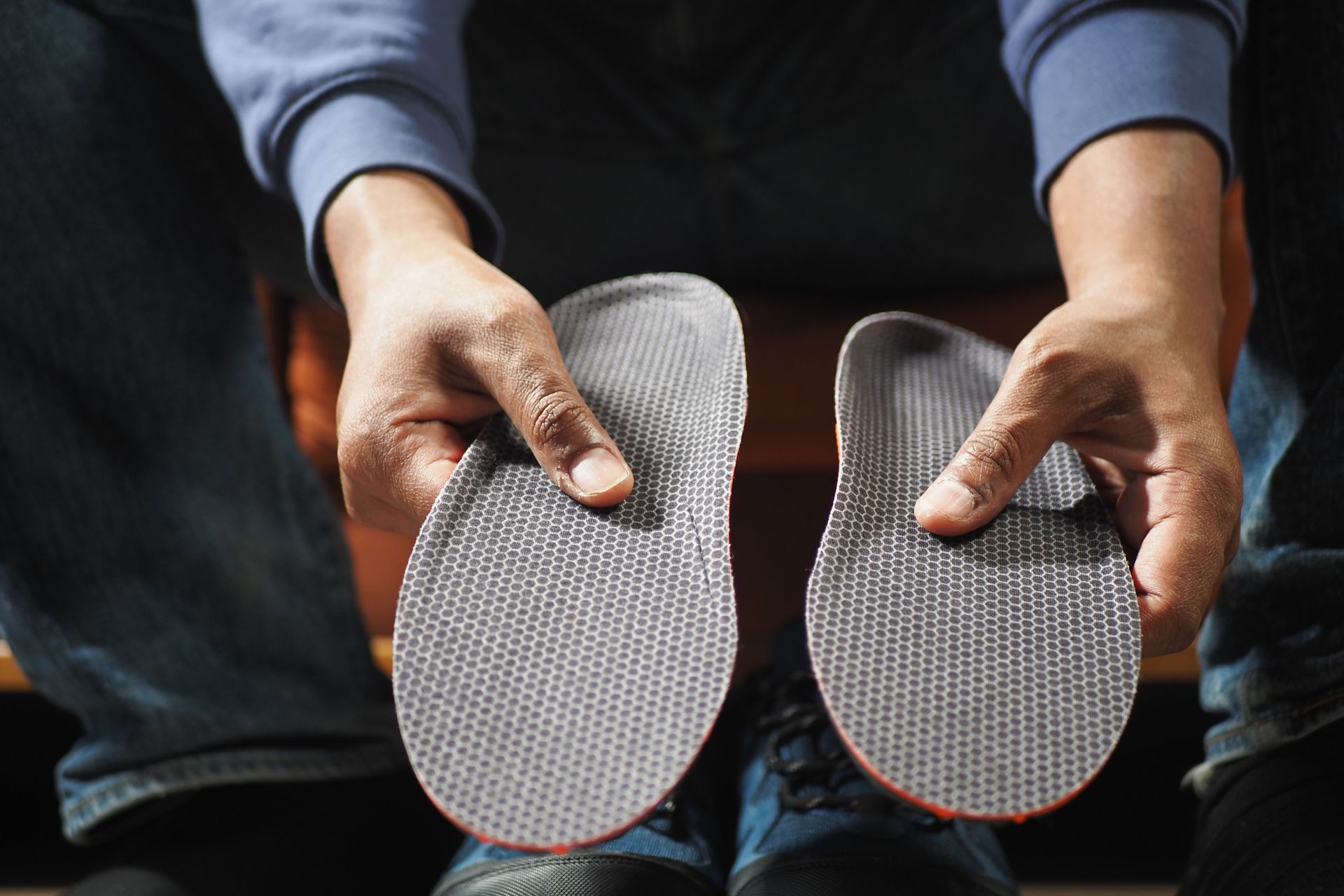
• Footwear Updates: Invest in proper indoor court shoes that provide lateral stability to prevent rolling your previously strained ankle.
• Taping Strategies: Learn professional taping techniques from your physiotherapist to physically support vulnerable ligaments during high intensity matches.
• Recovery Routines: Establish a strict post game protocol focusing on hydration and gentle tissue mobilization to prevent delayed onset muscle soreness.
► Delaying a clinical assessment until a mild strain becomes acutely painful is the most common reason athletes miss entirely preventable portions of their indoor season.
Frequently Asked Questions
Why do ankle sprains often happen repeatedly?
A primary cause of recurrent ankle sprains is a failure to fully rehabilitate the joint's proprioception after the initial injury. Proprioception is the internal neurological system that tells your brain where your foot is in space. Without specific balance retraining, your stabilizing muscles react too slowly to sudden shifts in weight, leaving the weakened ligaments vulnerable to another roll.
How do I know if a muscle strain is fully healed?
An absence of pain while resting is not an accurate indicator of complete tissue recovery. A muscle is considered fully healed when it can match the uninjured side in both maximum strength output and the ability to absorb rapid eccentric loads. Your physiotherapist will conduct specific resistance tests to confirm that the internal scar tissue has remodeled enough to handle the stress of your sport safely.
Should I play through mild joint pain?
Playing through joint pain forces your central nervous system to alter your natural movement patterns to avoid the discomfort. This mechanical compensation places abnormal stress on surrounding healthy tissues, often leading to secondary injuries like knee tendonitis or hip impingement. Mild pain is a clinical signal that your structural capacity is being exceeded and requires professional evaluation.
Securing Your Season Start
Entering a new sports season with unresolved structural restrictions is a calculated risk that rarely pays off. Taking the time to properly rehabilitate summer strains ensures you can compete at your full physical capacity. If you have noticed lingering stiffness or asymmetrical weakness during your conditioning, immediate action is required before league play begins. Contact our clinic today to secure your assessment time and start the indoor season structurally sound.
Share This Blog