The Honest Timeline for Postpartum Pelvic Floor Muscle Recovery
Pembina Physiotherapy & Sports Injury Clinic • August 25, 2026
The postpartum period brings deep physical transformations that require a patient and scientifically grounded approach to recovery. At Pembina Physiotherapy & Sports Injury Clinic, we understand that new parents often face immense pressure to return to their pre-pregnancy fitness levels quickly. However, the connective tissues, deep core stabilizers, and pelvic floor muscles undergo significant stretching and changes during pregnancy and delivery. Rushing back into high-impact activities without a proper recovery plan can lead to long term issues like pelvic pressure or discomfort.
Navigating this journey requires a realistic understanding of tissue healing timelines and individual structural changes. Utilizing a dedicated postpartum pelvic floor physiotherapy program provides a safe, step by step strategy to rebuild structural support from the inside out. Shifting your focus toward evidence based progression ensures that you can rebuild your physical strength safely and sustainably.
In This Article:
- The Real Biological Timeline for Tissue Healing After Childbirth
- Debunking the Myth of the Quick Fix for Core Weakness
- Variable Factors That Influence Your Personal Recovery Path
- Frequently Asked Questions
- Your Path to Long Term Pelvic Health
The Real Biological Timeline for Tissue Healing After Childbirth
Involuntary physiological tissue healing follows specific biological stages that cannot be accelerated by sheer effort or willpower. During the first six to eight weeks postpartum, your body is focused on initial uterine involution and early connective tissue repair. This initial phase requires significant rest, gentle circulation support, and the avoidance of heavy lifting or high intra abdominal pressure.
True structural remodeling of the deep fascia and pelvic ligaments continues for several months following delivery, especially if you are nursing due to ongoing hormonal changes. Expecting these deep tissues to handle intense physical strain before they have fully recovered can stall your progress. A professional approach respects these natural timelines while introducing gentle, progressive muscle activation when your body is biologically ready.
→ A quick tip to remember: Structural ligament healing takes months, so pacing your activity levels in the early stages prevents chronic tissue strain later on.
Debunking the Myth of the Quick Fix for Core Weakness
A common misconception among new mothers is that performing standard abdominal crunches or intense plank holds will quickly restore their midsection strength. In reality, introducing these high pressure movements too early can push outward against a weakened abdominal wall and downward onto a healing pelvic floor. This improper pressure management can actually worsen conditions like diastasis recti or pelvic organ prolapse.
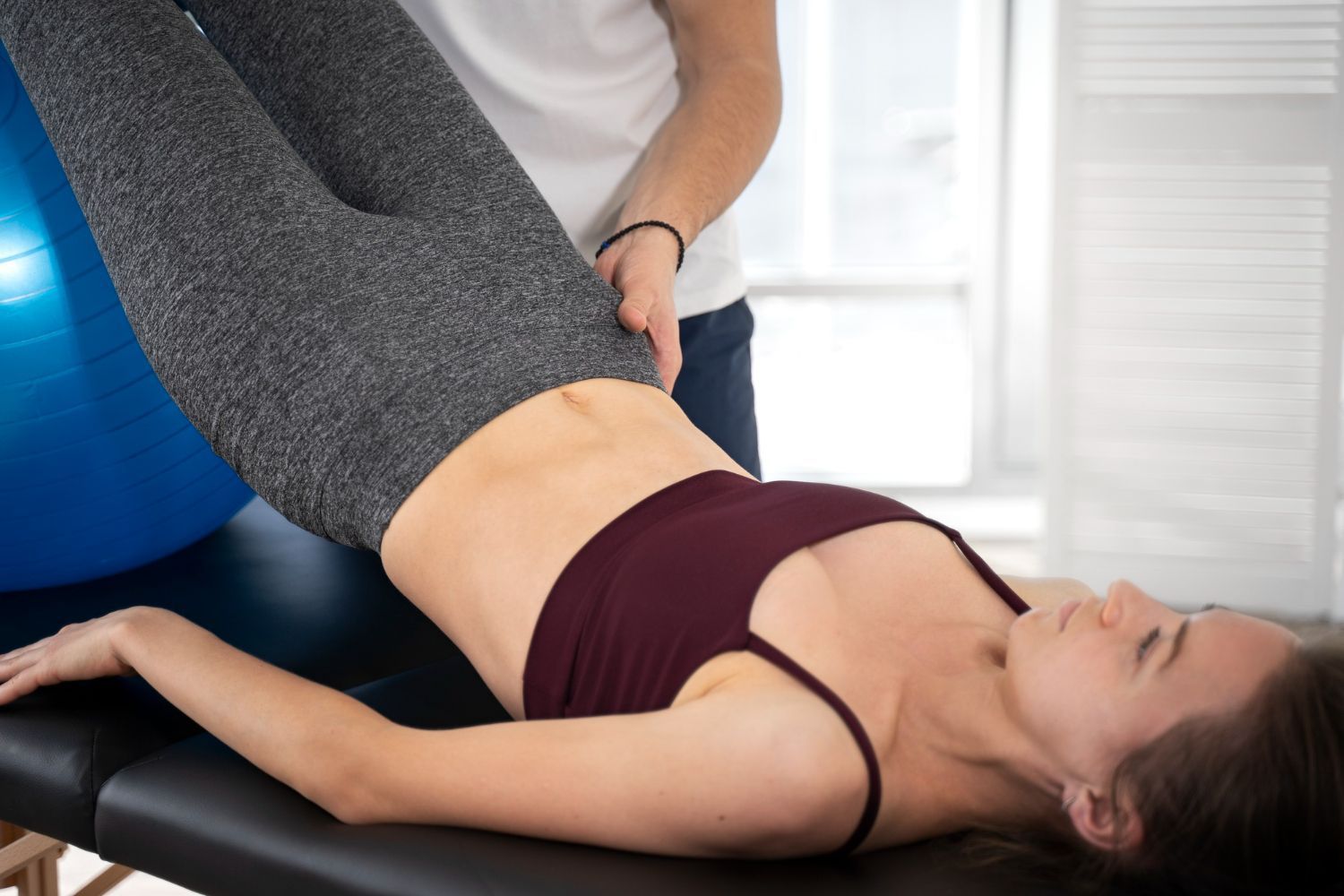
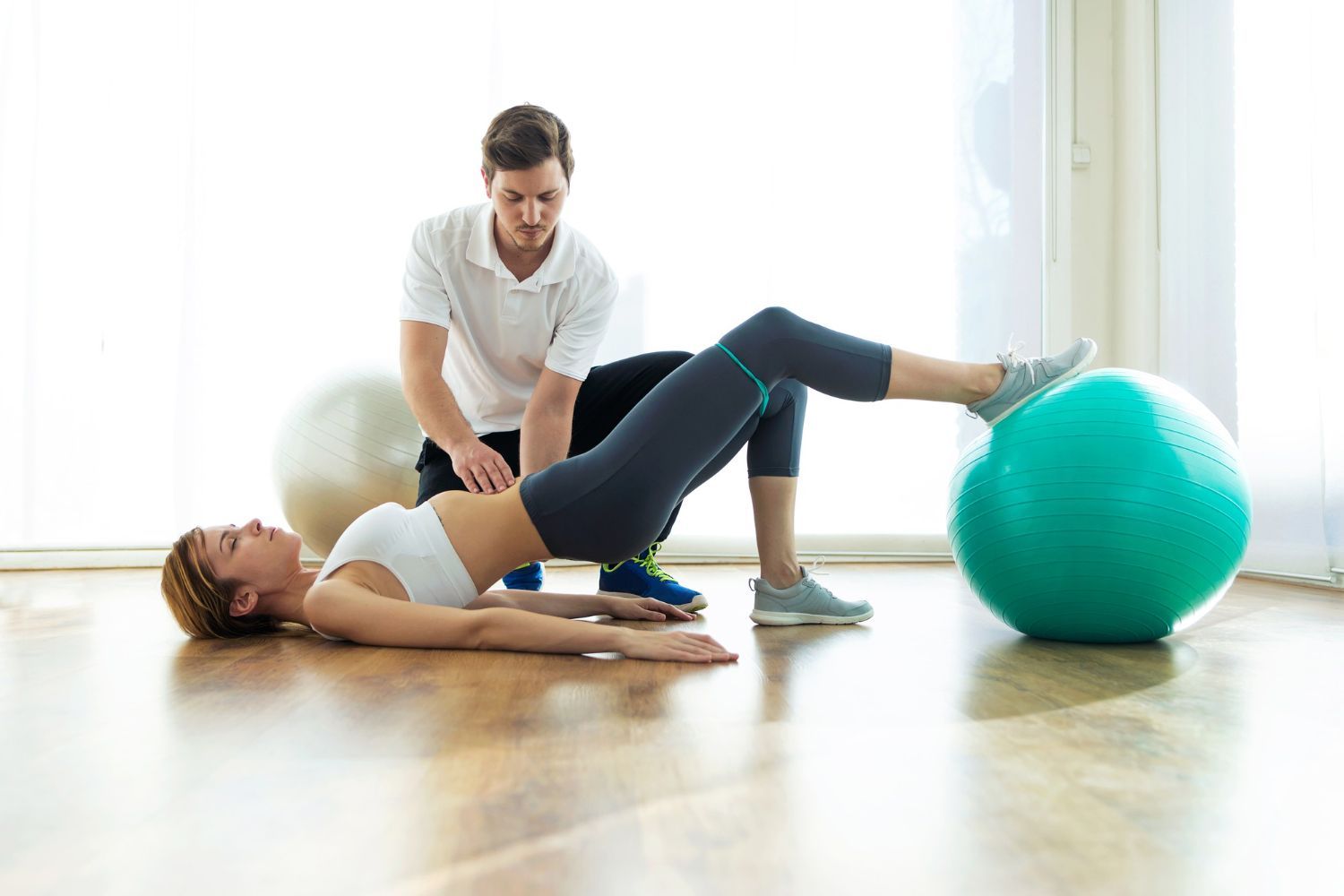
Rebuilding your core requires retraining the coordination between your diaphragm, deep transversus abdominis, and pelvic floor muscles. This initial coordination work is quiet and subtle, focusing on breath control rather than intense sweating. True functional core strength is built on this internal foundation, ensuring your body can handle complex movements safely.
→ From a professional standpoint: High intensity abdominal exercises performed without proper deep muscle coordination can compromise your pelvic floor recovery.
Variable Factors That Influence Your Personal Recovery Path
Every individual enters the postpartum period with a completely unique physical history and structural starting point.
► Critical Fact: The total length of your labor, specific birth interventions, and your baseline prenatal fitness level all play a direct role in shaping your recovery timeline.
Sleep quality and nutritional intake also heavily impact how efficiently your soft tissues heal from daily physical strain. Furthermore, the daily demands of caring for a newborn in Winnipeg mean that your physical workload is constantly shifting. Acknowledging these variables allows for a more compassionate and highly customized approach to your rehabilitation.
Frequently Asked Questions
When is it safe to return to running after giving birth?
Clinical guidelines generally recommend waiting at least twelve weeks postpartum before introducing high impact running or jumping activities. Before returning to these sports, your pelvic floor should undergo a physical assessment to ensure it can absorb impact forces without symptoms like leaking or pressure. Graduating through basic strength testing and single leg stability drills helps prevent injury to your lower joints.
How often should I do pelvic floor exercises daily?
Performing gentle muscle awareness exercises two to three times a day can be highly beneficial, provided they are done with correct physical form. Quality and control are far more important than high repetitions, as overworking fatigued muscles can lead to increased pelvic tension or discomfort. Your practitioner will provide specific guidelines based on whether your muscles need relaxation or strengthening.
Can physiotherapy help with pelvic pain years after delivery?
Yes, pelvic floor issues do not simply disappear over time if the underlying muscle coordination remains uncorrected. Lingering scar tissue, altered joint alignment, or muscle imbalances can continue to cause discomfort or weakness years after child birth. A physical evaluation can identify these chronic restrictions and provide an exercise program to restore proper function.
Your Path to Long Term Pelvic Health
Restoring your physical strength after childbirth requires a dedicated focus on internal stability and proper pressure management. Prioritizing clear clinical facts over generalized fitness trends ensures a safer and more effective return to the activities you love. If you are experiencing symptoms of weakness or simply want to ensure your body is recovering optimally, a structured evaluation can provide valuable clarity. Reach out to Pembina Physiotherapy & Sports Injury Clinic to learn more about our specialized maternal wellness services.
Share This Blog