Post-op Hip and Knee Physiotherapy

Personalized Post-op Hip and Knee Physiotherapy in Winnipeg

Recovering from hip or knee replacement surgery requires an individualized approach to rebuilding strength, mobility, and confidence. At Pembina Physiotherapy & Sports Injury Clinic in Winnipeg, our post-op hip and knee physiotherapy focuses on one-on-one care tailored to your surgical recovery and functional goals. Our physiotherapists use guided exercises and hands-on techniques to help you work toward improved joint movement and everyday mobility. Each treatment plan is adapted to your needs, progress, and recovery requirements, with guidance to help you manage daily activities safely as you regain independence.
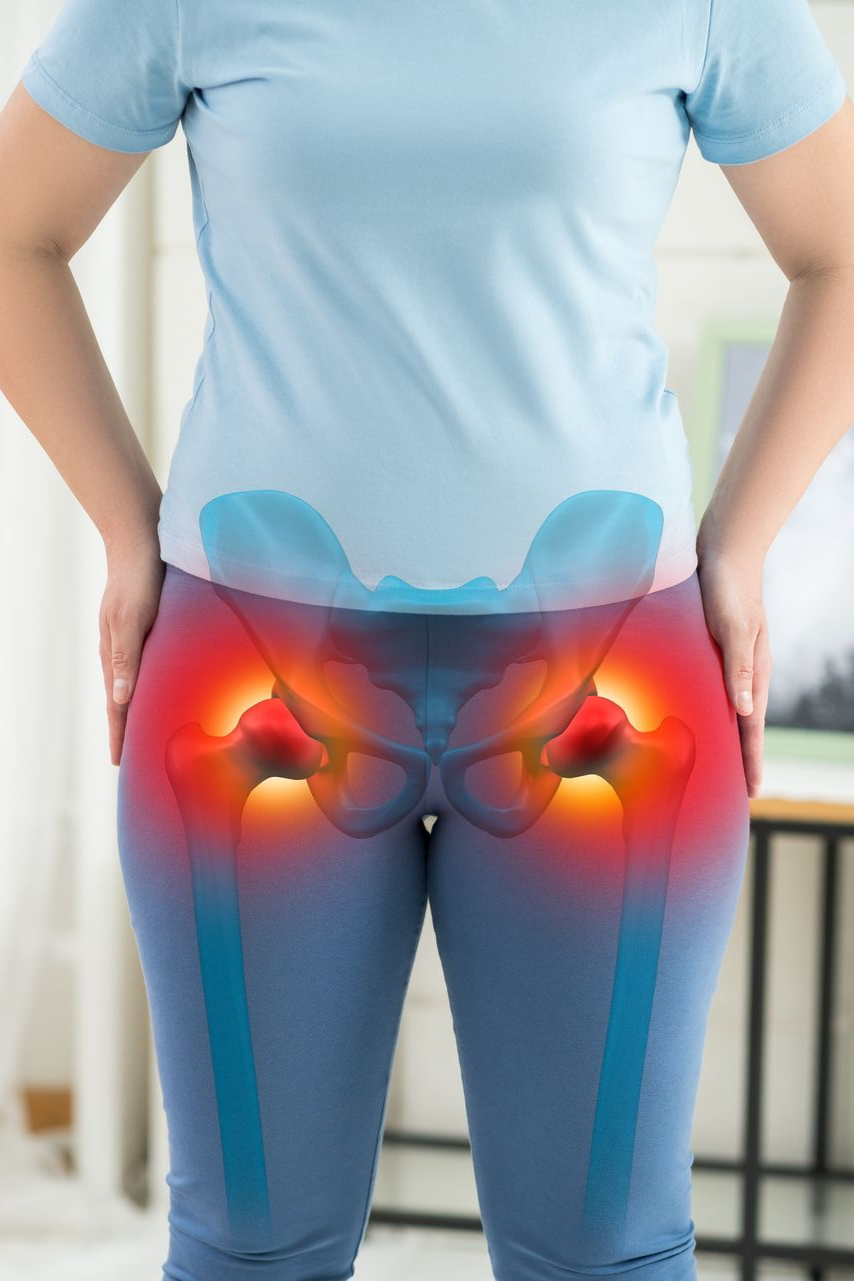
Person in blue shirt and jeans with hip and lower-back pain highlighted in red and orange.

What to Expect from Your Post-operative Rehabilitation

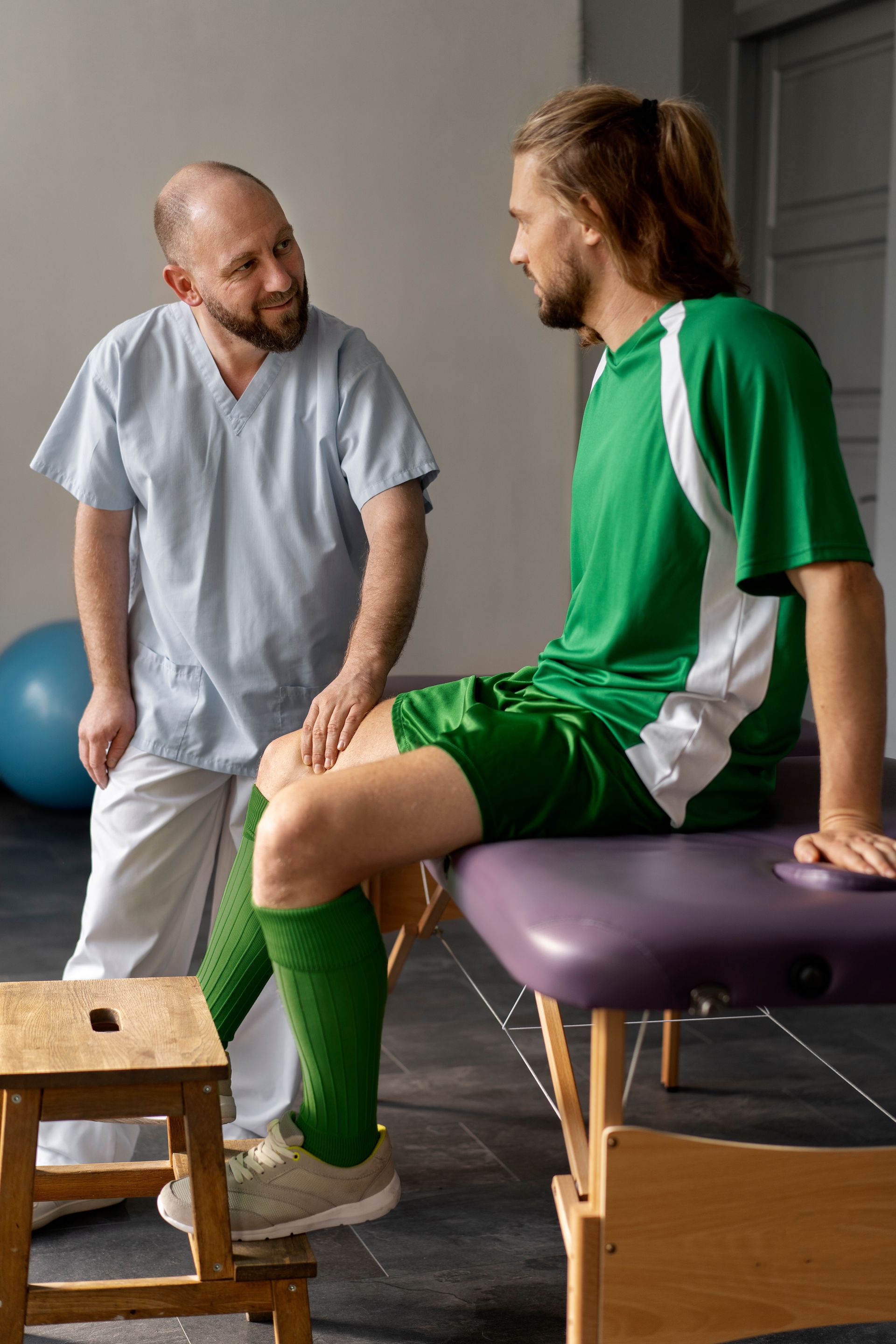
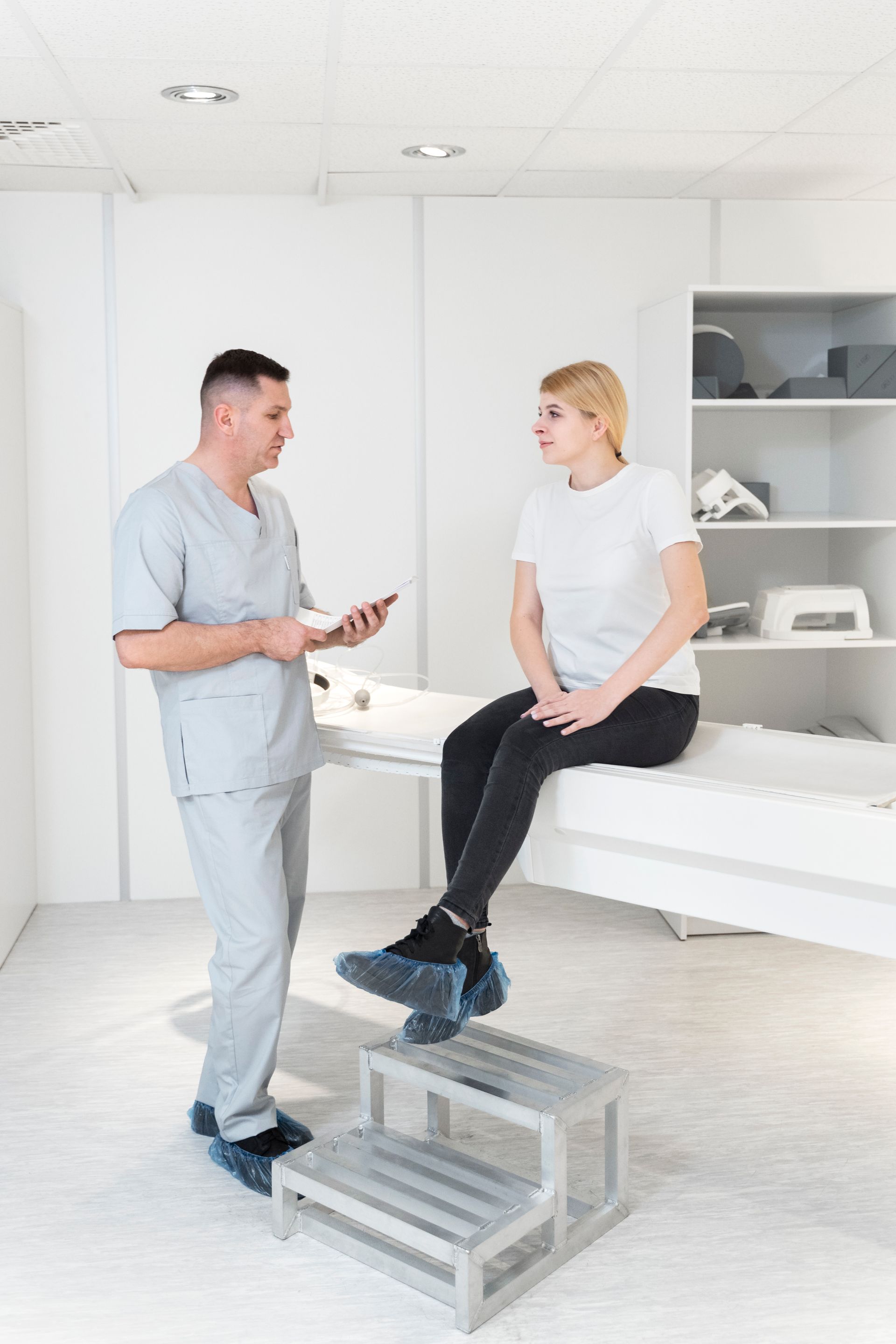
Post-operative rehabilitation at Pembina Physiotherapy & Sports Injury Clinic begins with an individual assessment to understand your mobility, current abilities, surgical history, and recovery goals. Your physiotherapist will develop a treatment plan suited to your needs and adjust it as your function improves.


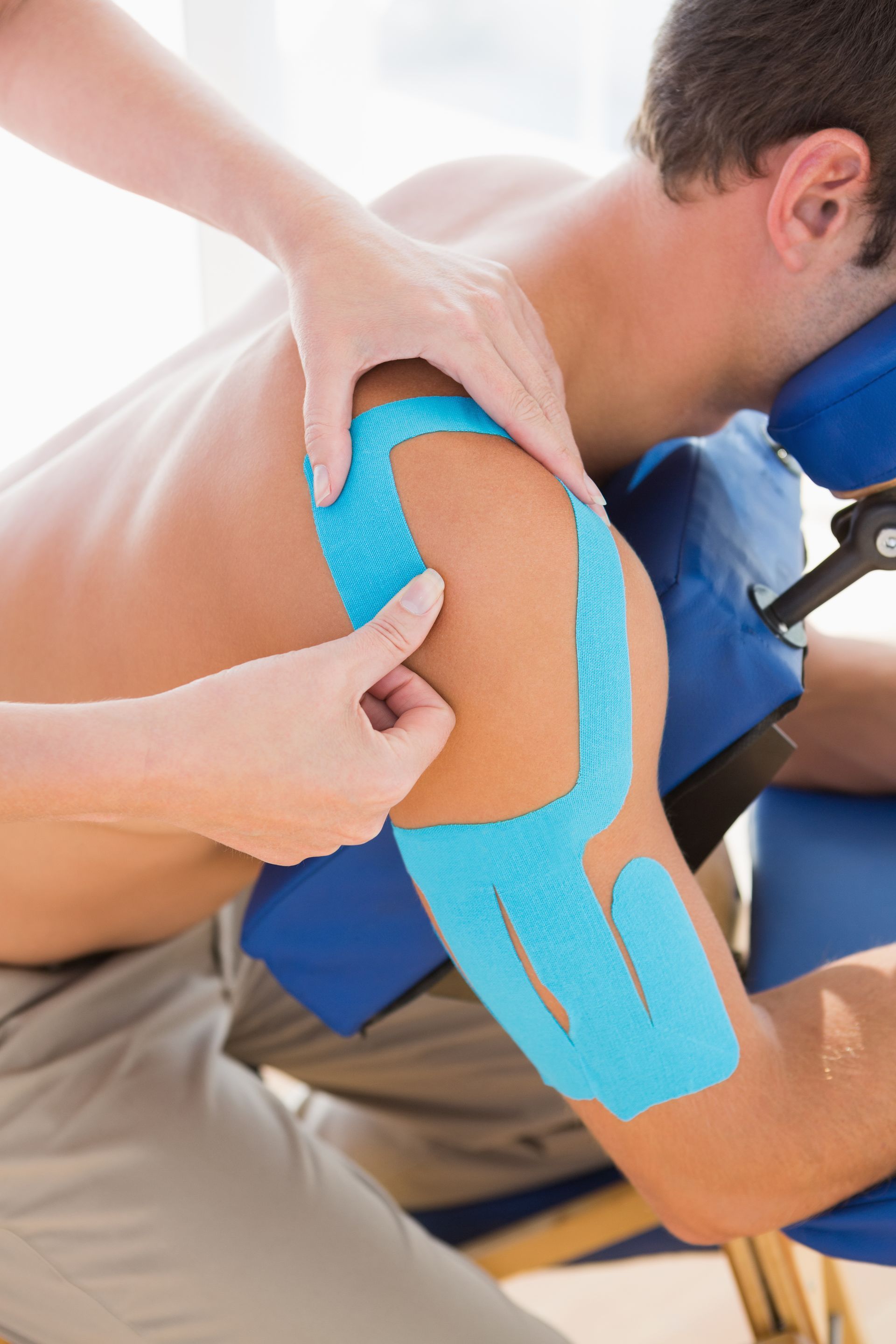
Care primarily involves manual therapy and therapeutic exercises, with guidance on safe movement and activities at home. Eligible hip and knee surgery patients may access six publicly funded physiotherapy sessions. You can self-refer or attend with a referral, and private insurance may be used beforehand if needed.

  • How Does Treatment Work?

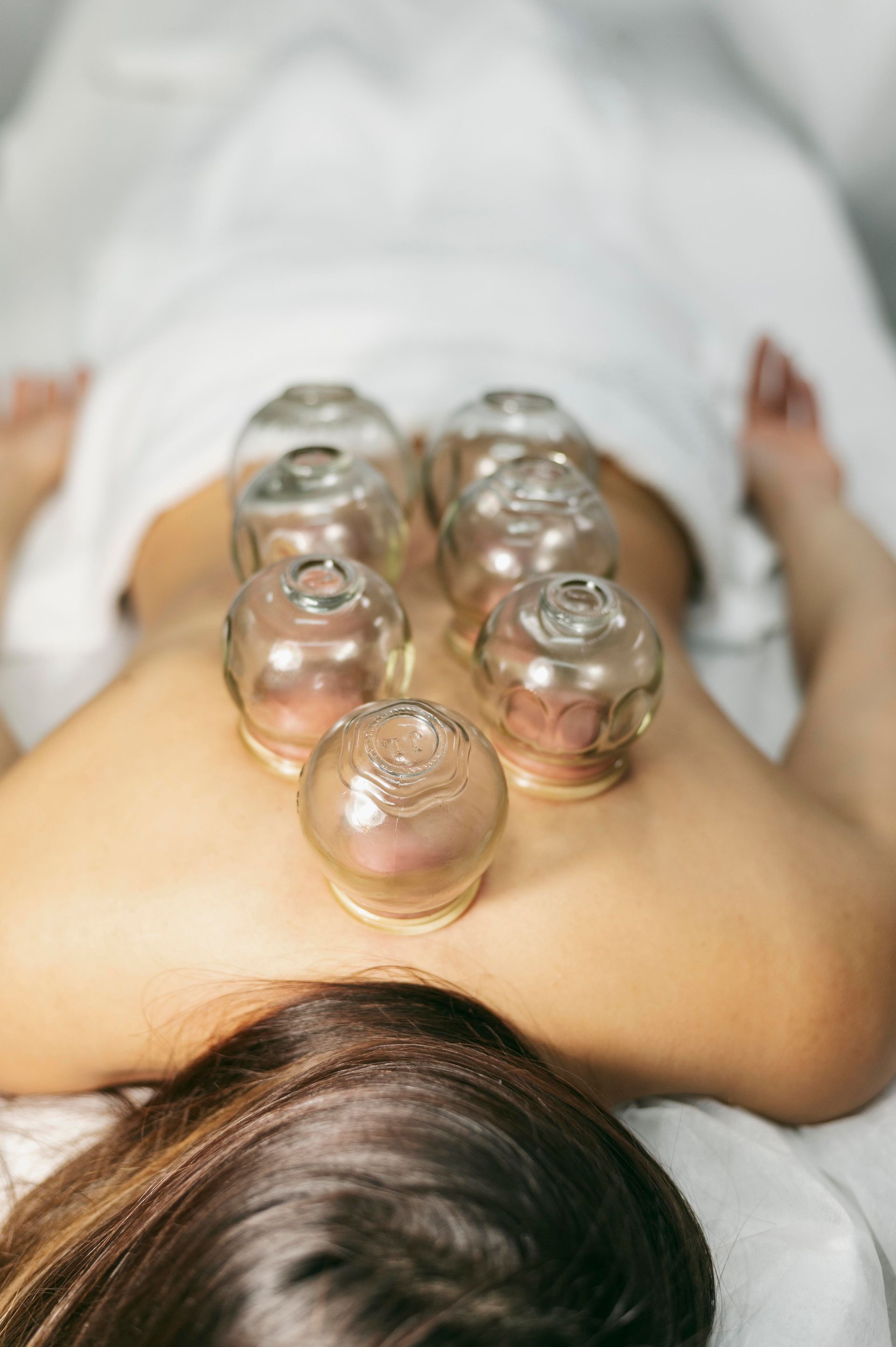
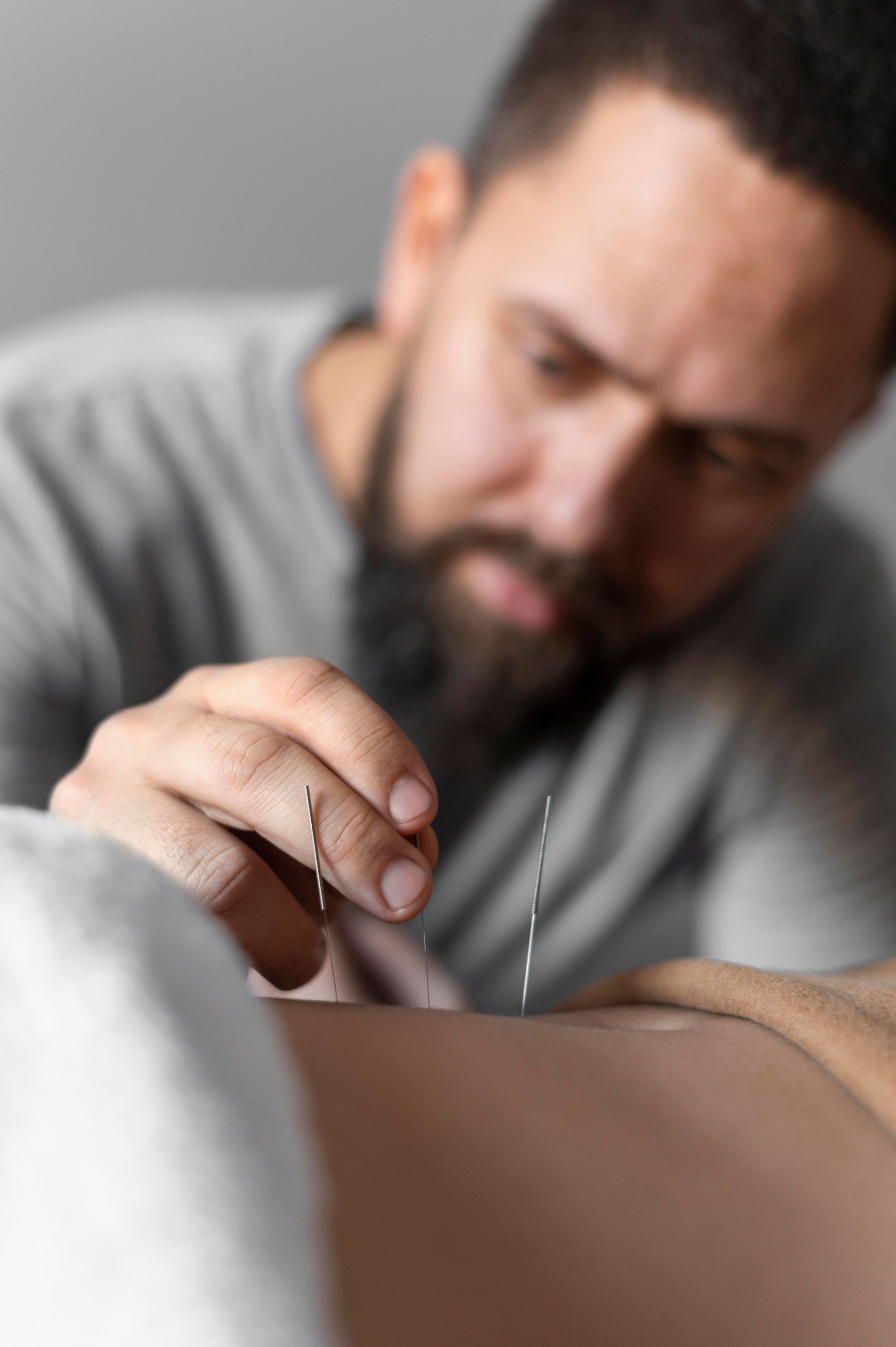
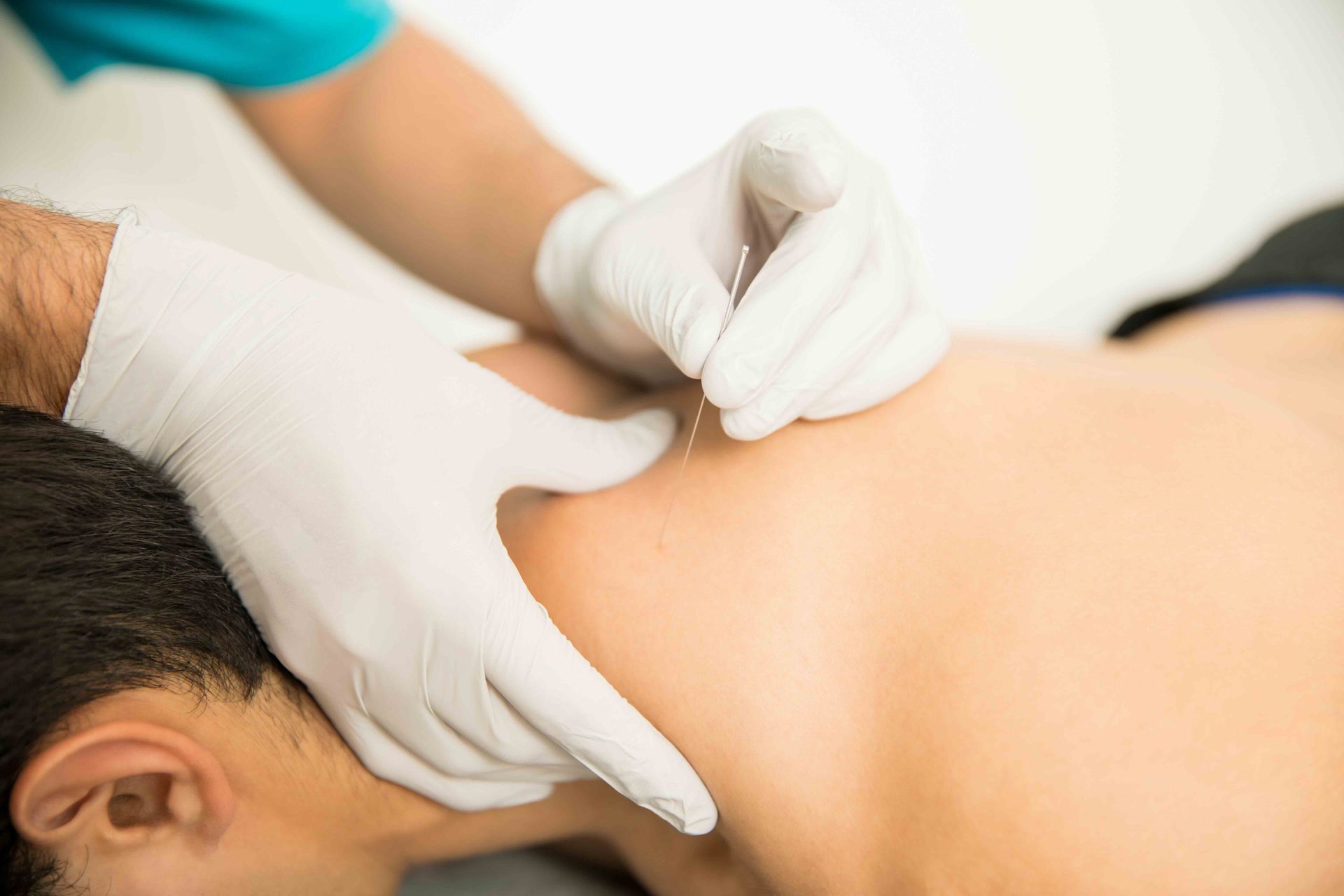
    Post-operative hip and knee rehabilitation focuses on helping you regain strength, mobility, and function after surgery. Treatment typically includes one-on-one manual therapy and therapeutic exercises tailored to your recovery needs. Dry needling or acupuncture may also be incorporated when appropriate to support your rehabilitation goals.

  • Benefits of Individualized Post-surgical Physiotherapy

    One-on-one care allows your physiotherapist to adapt treatment to your recovery needs. Rehabilitation may help you work toward:


    • Improved joint mobility: Exercises support gradual improvements in movement and flexibility.
    • Increased strength: Targeted activities help rebuild strength for daily tasks.
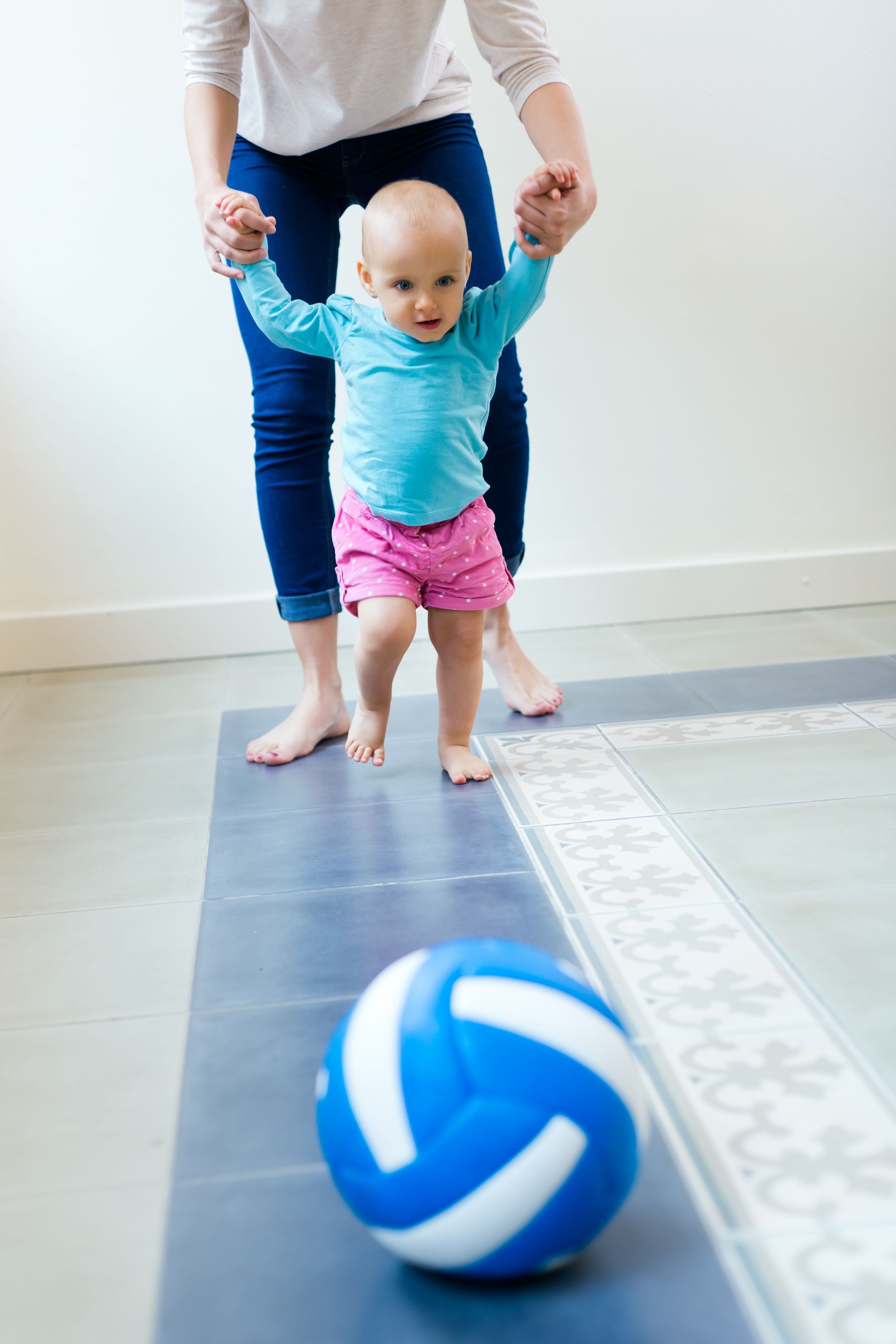
    • Better balance and stability: Guided practice helps you develop control during standing and walking.
    • Greater functional independence: Treatment focuses on movements needed for everyday activities.
  • Who Can Benefit from This Service?

    This service is designed for individuals recovering from hip or knee replacement surgery who need personalized rehabilitation. It may suit people working to improve walking, joint movement, strength, balance, or confidence with daily activities after surgery. 


    Your physiotherapist will consider your surgical instructions, current abilities, and recovery progress when planning care. Rehabilitation following other procedures, such as rotator cuff repair or spinal fusion, may also be available, with treatment timing determined by the surgeon's recommendations.

Exercises Used in Hip and Knee Replacement Rehabilitation

Exercise is an important part of rehabilitation after hip or knee replacement surgery. Your physiotherapist will select activities according to your mobility, strength, surgical precautions, and stage of recovery. The program may include gentle movements to improve joint flexibility, exercises to rebuild muscle strength, and activities that support balance and coordination.


As your abilities develop, your physiotherapist can modify the exercises to reflect your progress and functional goals. The following exercise categories may be incorporated into your individualized rehabilitation plan as appropriate.
  • Balance Training

    Balance activities help you practise maintaining stability while standing, shifting your weight, and moving through everyday tasks. Your physiotherapist will select appropriate exercises based on your current abilities and safety needs. As your recovery progresses, these activities may help you develop better movement control and confidence during daily mobility.

  • Proprioception and Movement Awareness

    Proprioception refers to your body's awareness of joint position and movement. Following surgery, guided activities may help you practise controlled movements and improve coordination. Your physiotherapist will choose exercises suited to your recovery stage, helping you work toward greater control when changing positions, standing, or walking.

  • Strengthening Exercises

    Strengthening exercises in our post-operative sessions are designed to build up the muscles supporting the replaced hip or knee. Strong muscles are crucial in supporting the new joint, relieving strain, optimizing function, and enabling daily activities. Over time, these exercises can also help increase endurance, allowing patients to engage in activities for longer periods without fatigue.

  • Range-of-Motion Exercises

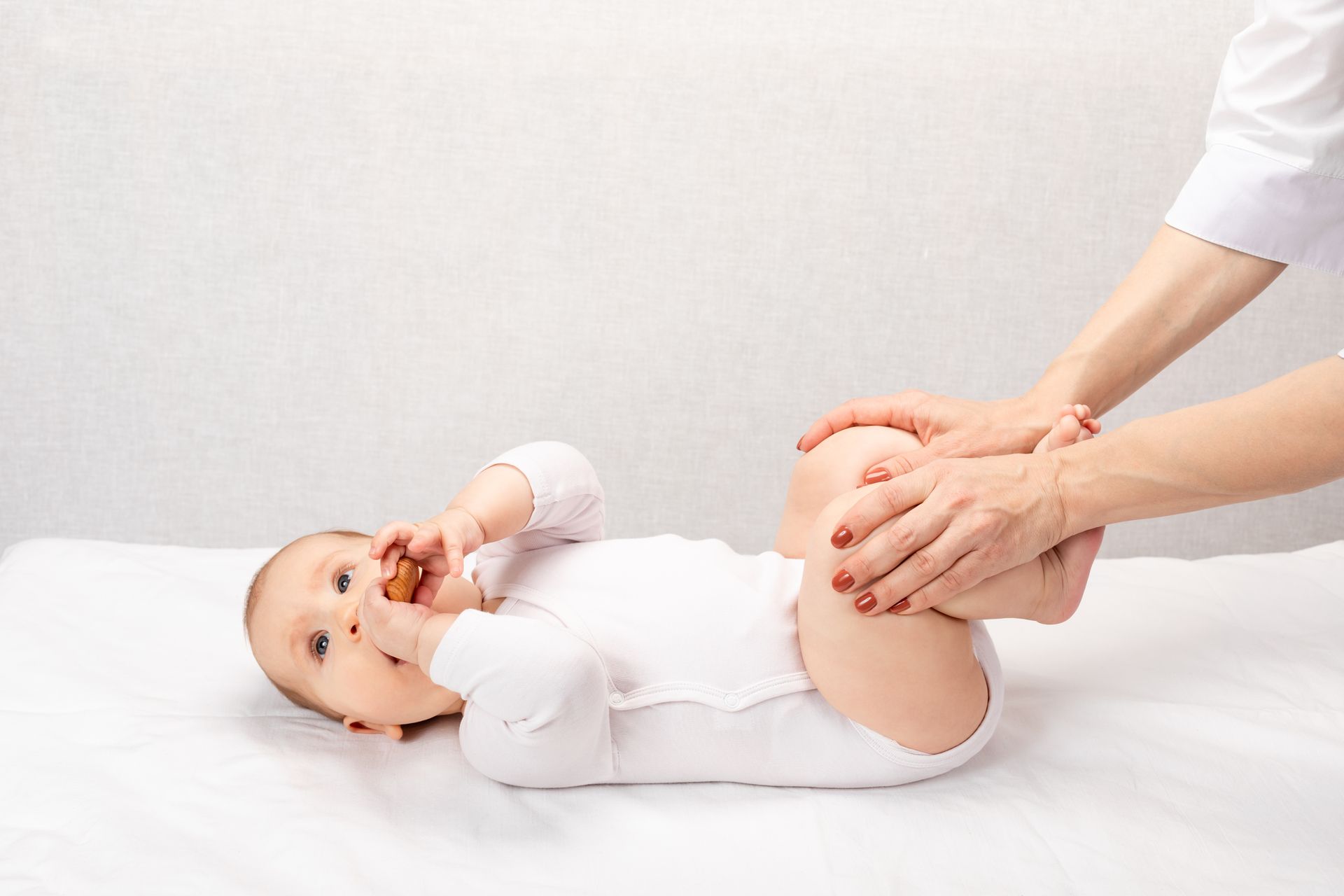
    Range-of-motion exercises help you practise moving your hip or knee within the limits recommended for your recovery. These activities may involve gentle bending, straightening, and other controlled movements appropriate to your procedure. Your physiotherapist will guide your technique and progression while respecting your surgeon's instructions and any movement precautions.

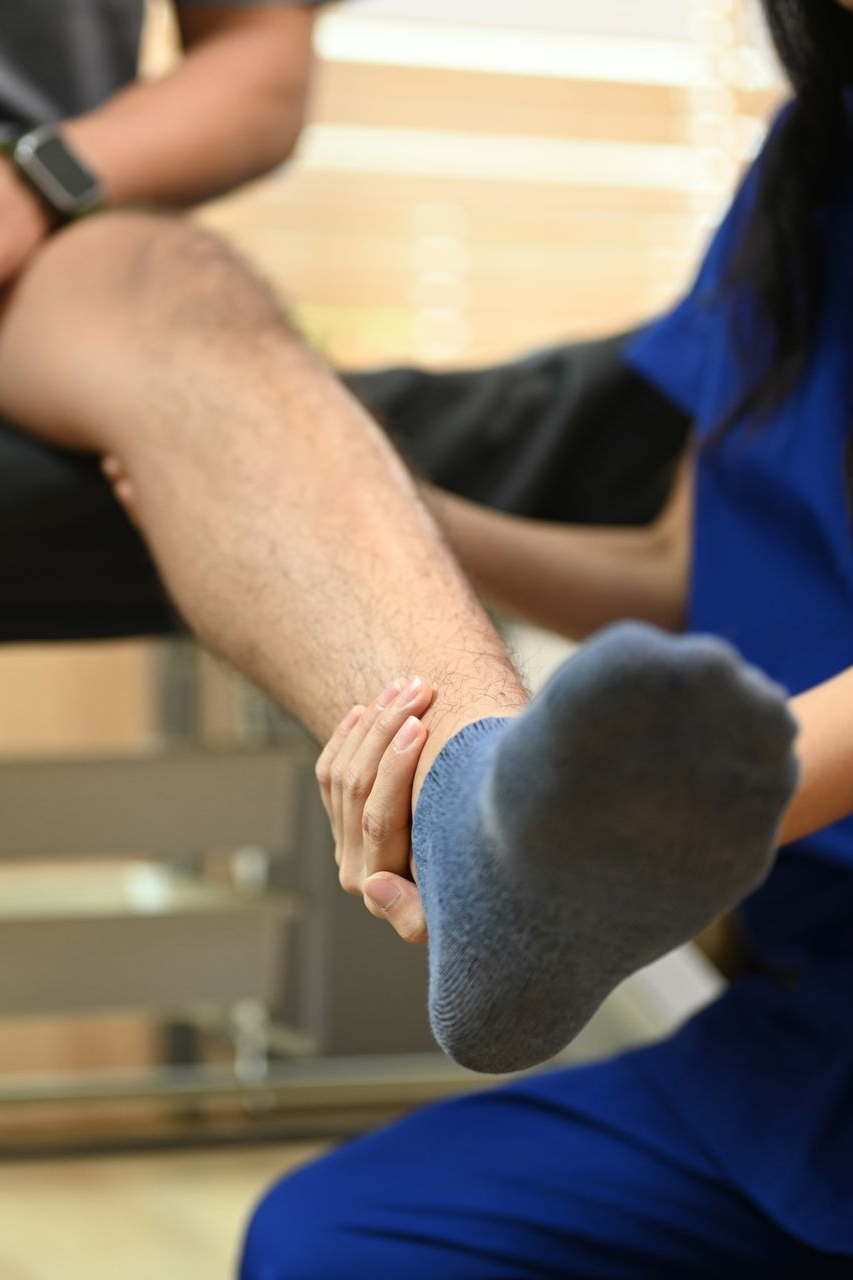
Close-up of a person holding another person’s lower leg and foot during a physical therapy session

Frequently Asked Questions

Knowing what to expect from post-operative rehabilitation can help you prepare for your recovery. The answers below explain how individual treatment works, what to bring, and how publicly funded sessions and additional treatment options may apply. For more information, you can also visit our physiotherapy frequently asked questions page.

  • Is post-op hip and knee physiotherapy provided one-on-one?

    Yes, all post-op hip and knee physiotherapy at Pembina Physiotherapy & Sports Injury Clinic is provided one-on-one. Your physiotherapist tailors treatment to your recovery needs, focusing primarily on manual therapy and exercises to support mobility, strength, and everyday function.

  • Can I receive publicly funded physiotherapy after hip or knee surgery?

    Eligible patients can receive 6 publicly funded physiotherapy sessions after hip or knee surgery. You can self-refer or attend with a referral. If needed, you may also use private insurance before accessing these publicly funded sessions. Contact our clinic to discuss your eligibility and options.

  • What treatments are included in post-op physiotherapy?

    Treatment primarily includes manual therapy and individualized exercises. For other surgeries, such as rotator cuff repairs or spinal fusions, physiotherapy timing depends on your surgeon's recommendations, often around 6–12 weeks after surgery.

Our Services

Pembina Physiotherapy & Sports Injury Clinic offers personalized care to support movement, recovery, and everyday function. Explore our individualized rehabilitation exercises for guided movement, post-surgical physiotherapy rehabilitation for recovery following surgery, and acupuncture treatment or dry needling treatment as additional options when appropriate. Our experienced physiotherapy team can help you understand which services may suit your needs and recovery goals.
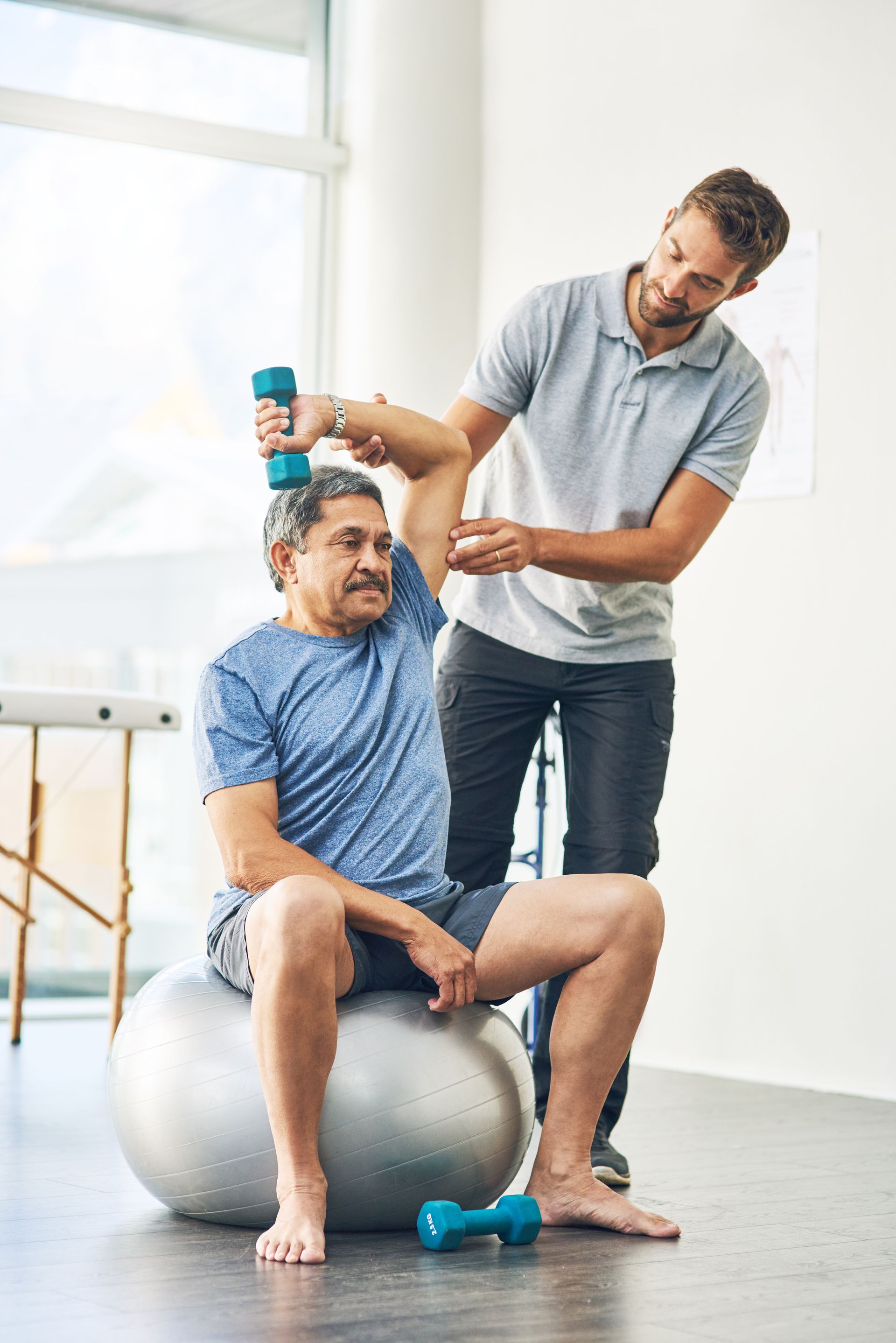
Two people demonstrating a yoga stretch on a blue mat, with one person lying on their back.

Regain Mobility and Strength with Personalized Physiotherapy

Recovering from hip or knee replacement surgery starts with a rehabilitation plan built around your needs. At Pembina Physiotherapy & Sports Injury Clinic, our one-on-one approach focuses on your movement, strength, and progress throughout recovery.


To learn more about fees and available treatment options, visit our physiotherapy pricing page. When you're ready to discuss your rehabilitation needs, contact our team to arrange an appointment and learn about the next steps.