Why Winnipeg Seniors Shouldn’t Ignore Balance Physiotherapy This Winter
Pembina Physiotherapy & Sports Injury Clinic • November 10, 2026
Winter in Manitoba can introduce new challenges to mobility, especially for older adults. At Pembina Physiotherapy & Sports Injury Clinic, we often work with community members who find icy sidewalks and snow-covered steps more daunting during the cold months. As we age, changes in the inner ear and spatial awareness may make it feel more difficult to move confidently on slippery surfaces. That’s why taking gentle, proactive steps to support your sense of balance can be a valuable part of staying safe and active throughout the winter.
Many seniors wonder about the role of balance physiotherapy in wintertime. It might seem easier just to stay indoors until spring arrives, but remaining inactive for long stretches can sometimes contribute to a feeling of stiffness or reduced joint stability. On the other hand, engaging in tailored vestibular rehabilitation—under the guidance of a trained physiotherapist—may help you maintain your confidence and mobility, so you can continue enjoying life, even in snowy conditions.
What You’ll Find in This Blog:
- Practical tips for walking safely on icy paths
- Insights into how your inner ear affects your balance
- A look at how we assess balance in our clinic
- Simple exercises for gaze stabilization
- Answers to common questions from our patients
Navigating Icy Walkways with Greater Confidence
Walking on wintery sidewalks can sometimes require quick responses to sudden changes in traction. When footing feels less stable, our bodies do their best to adjust and restore balance. For some seniors, reaction times may change with age or with changes in physical conditioning. Fortunately, working on neuromuscular coordination—through guided exercises and practice—may help you feel more prepared to recover your balance if you encounter icy patches.
The Science of Balance and Orientation
Balance relies on a complex system, including the vestibular system in the inner ear. This system sends signals to your brain about your head’s position and movement, helping you stay upright. Sometimes, age or certain conditions (such as benign paroxysmal positional vertigo) can change how these signals are processed—leading to occasional dizzy spells or a sensation of unsteadiness. The good news is that gentle, targeted exercises can help the body and brain adapt to these changes over time.
Clinical Assessment: Understanding Your Unique Needs
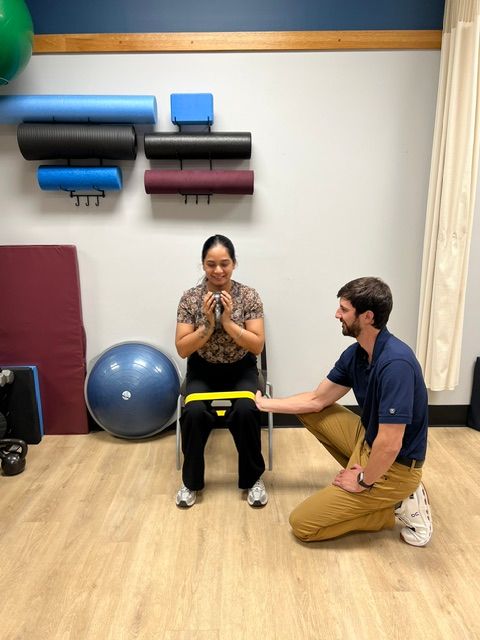
Before recommending any exercises, our clinicians take time to understand your individual balance needs. We observe your walking, check muscle strength, and assess how your eyes and balance system are working together. This personalized approach means your vestibular physiotherapy in Winnipeg is always adapted to your unique situation. Since dizziness and balance challenges can be different for everyone, we believe in creating treatment plans as individualized as you are.
Gaze Stabilization: Supporting Eye and Ear Coordination
One important aspect of balance physiotherapy involves helping your eyes and inner ear communicate smoothly. Gaze stabilization exercises, for example, might involve focusing your vision on a fixed point while gently moving your head. Over time, this process may help your body keep your vision steadier when you’re looking around—such as when checking for oncoming traffic on a wintery street.
Frequently Asked Questions
Is it normal to feel some dizziness during balance exercises?
It’s not uncommon to notice mild dizziness during balance training, especially in a clinical setting. These controlled exercises are designed to gently challenge your system, helping your body learn to manage and adapt to those sensations in a safe environment.
Will using a cane or walker interfere with my therapy?
Absolutely not. We encourage the use of mobility aids if they help you feel secure. Our goal is always to support your current abilities and help you gradually build confidence, whether you use a cane, walker, or no aid at all.
Maintaining Independence and Enjoying Winter
It’s understandable to have concerns about unsteadiness, especially when the weather turns icy. The encouraging news is that supportive physiotherapy can provide you with tools and strategies to help you feel more confident moving about outdoors—even during a Manitoba winter. If you’re curious about how balance physiotherapy might support your well-being and independence this season, our team would be happy to offer a comprehensive stability assessment and work with you on a plan tailored to your needs.
You don’t have to face winter’s challenges alone. With the right support and some thoughtful preparation, many Winnipeg seniors find they can continue enjoying the season safely and confidently.
Share This Blog