Adapting Your Running Routine for Treadmills to Prevent Strain
Pembina Physiotherapy & Sports Injury Clinic • October 28, 2026
As the colder months arrive in Winnipeg, many dedicated outdoor runners transition their workouts indoors to avoid icy paths and freezing temperatures. At Pembina Physiotherapy & Sports Injury Clinic, we consistently see an influx of overuse injuries during this seasonal shift. Running on a motorized belt fundamentally alters your natural biomechanics, changing how your foot strikes the ground and how your muscles absorb impact. Failing to adapt your body to these new mechanical demands often leads to nagging knee pain and tight Achilles tendons that disrupt your winter training.
Preventing these repetitive strains requires proactive adjustments to your physical routine before the pain forces you to stop running entirely. Engaging in a targeted physiotherapy exercise program prepares your joints and tendons for the specific forces of indoor training. We have structured a clear sequence of actions to help you transition safely and protect your running season.
What We Cover:
- Stage 1: Assess Your Current Biomechanics
- Stage 2: Schedule a Clinical Review
- Stage 3: Protect Your Joints on the Belt
- Frequently Asked Questions
Stage 1: Assess Your Current Biomechanics
Before logging high mileage indoors, you must evaluate how your body currently handles repetitive impact. Identifying existing weaknesses now prevents them from becoming severe issues later.
• Foot Strike Analysis: Pay attention to whether you are landing heavily on your heels, which sends a harsh shockwave directly up into your knee joints.
• Cadence Tracking: Count your steps per minute to see if you are overstriding, a common habit on treadmills that severely limits gluteal activation.
• Single Leg Control: Stand on one leg in front of a mirror and perform a shallow squat, watching to see if your knee collapses inward.
Stage 2: Schedule a Clinical Review
Translating your physical symptoms into a preventative strategy requires an objective professional perspective. Securing an assessment ensures your winter training plan is structurally sound.
• Movement Screening: Perform functional movement tests in the clinic to evaluate how your lower body absorbs impact and transfers force.
• Program Customization: Work with your practitioner to design a specific strengthening routine that targets the exact muscles you need for treadmill stabilization.
• Footwear Assessment: Bring your current running shoes to the clinic to determine if the foam structure has fatigued and is altering your natural alignment.
Stage 3: Protect Your Joints on the Belt
Once your clinical plan is in place, applying strict technical rules to your indoor workouts will preserve your joint health.
• Incline Modification: Always run with the treadmill set to a minimum one percent incline to simulate the natural wind resistance and biomechanics of outdoor running.
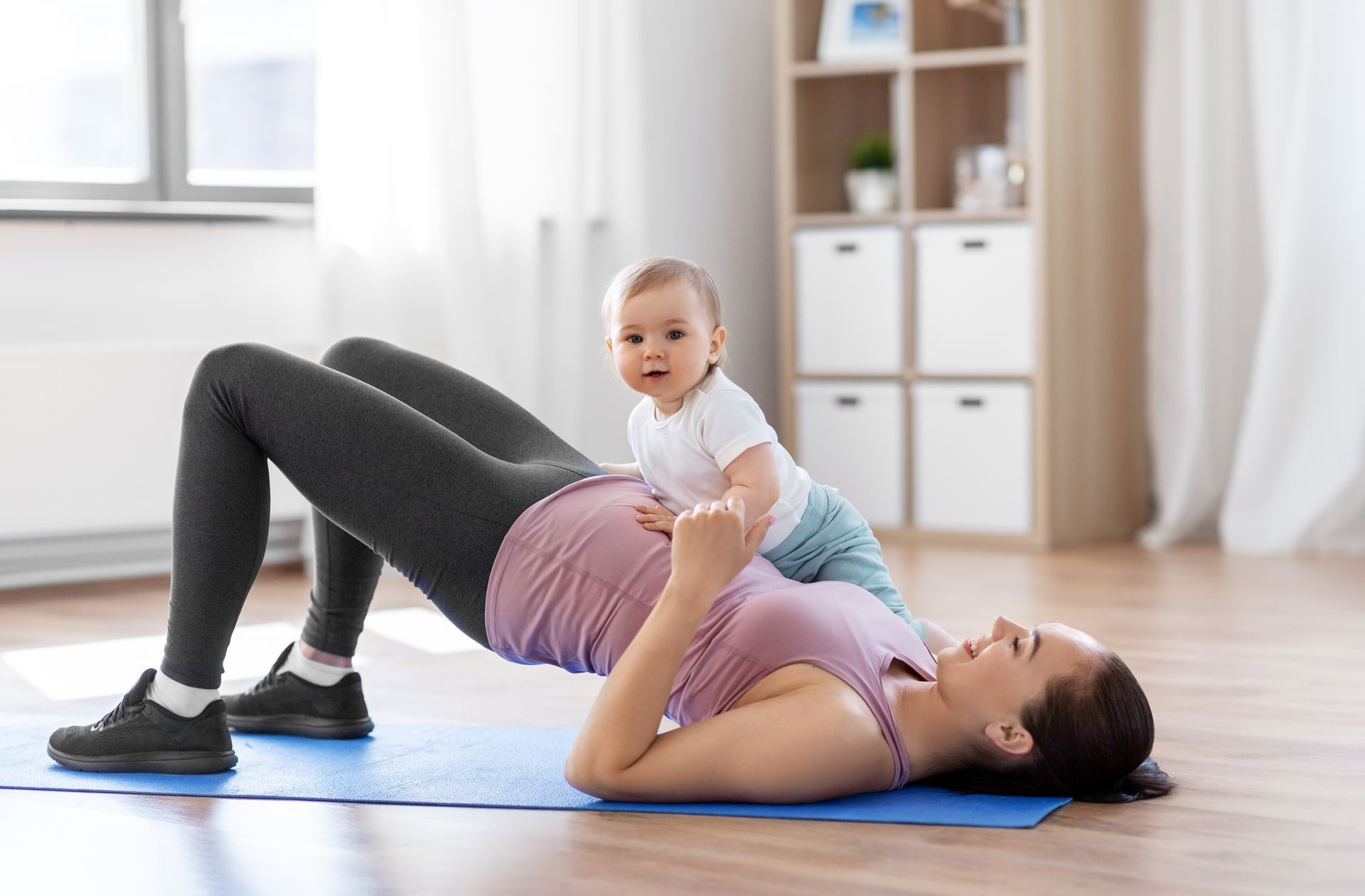
• Dynamic Activation: Perform dedicated glute bridges and calf raises before stepping onto the belt to ensure your primary shock absorbers are fully awake.
• Variable Pacing: Avoid running at exactly the same speed for an hour, as this forces the exact same repetitive stress on the cartilage; instead, use interval changes.
• Cool Down Compliance: Never jump off a moving belt and sit down immediately; enforce a five minute slow walking phase to clear lactic acid.
Frequently Asked Questions
Why do my knees hurt more on a treadmill than outside?
The motorized belt of a treadmill pulls your foot backward automatically after it strikes the surface. This mechanical assistance decreases the workload on your posterior chain (hamstrings and glutes) and forces the quadriceps and the front of the knee to absorb significantly more strain. Without specific strengthening exercises to balance this shift, the patellar tendon easily becomes inflamed from the repetitive, anterior dominant loading.
What incline is best for protecting the achilles tendon?
While a one percent incline is ideal for general mechanics, running at steep inclines for prolonged periods places immense, continuous tension on the achilles tendon and calf muscles. If you have a history of heel pain, it is safer to rely on speed intervals rather than high elevation to increase your cardiovascular intensity. Your physiotherapist can evaluate your ankle dorsiflexion to determine the maximum safe incline for your specific joint capacity.
How often should I replace indoor running shoes?
Even if the rubber treads look perfect because they are not being worn down by concrete, the internal foam cushioning degrades significantly after three hundred to four hundred miles of use. When this internal support system collapses, your lower leg joints are forced to absorb the excess impact forces directly. Tracking your indoor mileage is just as critical as tracking outdoor use to ensure your footwear continues to protect your biomechanics.
Securing Your Winter Running Goals
Shifting your workouts indoors does not have to result in inevitable joint pain if you respect the mechanical differences of the surface. Taking immediate action to adapt your stride and build targeted strength keeps your lower body resilient. Appointments for functional running assessments fill up quickly as the snow begins to fall in the city. Contact Pembina Physiotherapy & Sports Injury Clinic today to schedule your evaluation and secure a safe winter running season.
Share This Blog