Correcting W-Sitting Habits to Protect Long Term Joint Health
Pembina Physiotherapy & Sports Injury Clinic • September 16, 2026
Observing how your child plays and moves provides essential clues about their physical development. At Pembina Physiotherapy & Sports Injury Clinic, parents often express concern when they notice their toddler frequently sitting on the floor with their knees bent outward and feet splayed to the sides in a W shape. While this position is extremely common in early childhood, relying on it heavily can interfere with natural musculoskeletal growth. Addressing this habit requires understanding the structural reasons behind it rather than simply treating the visual symptom.
Correcting postural habits in young children is a nuanced process that goes beyond simple reminders to sit up straight. Utilizing a focused approach through pediatric physiotherapy services helps identify any underlying core weakness driving the behavior. By focusing on developmental biomechanics, we can guide children toward healthier movement patterns that support long term joint stability.
What We Cover:
- The Biomechanics Behind the Habit
- How W-Sitting Impacts Deep Core Development
- Why Constant Verbal Corrections Often Make It Worse
- Restoring Structural Alignment Through Guided Play
- Guiding Healthy Physical Development
The Biomechanics Behind the Habit
When a child drops into a W sitting posture, they are utilizing their bone structure rather than their muscles to stay upright. This wide base of support mechanically locks the hips into extreme internal rotation and places significant stress on the medial ligaments of the knees. It provides an immediate and effortless sense of physical stability for a child who is deeply focused on playing with toys in front of them.
From a clinical perspective, children default to this position because it demands almost zero active engagement from the trunk muscles. It allows them to use their hands freely without needing to balance their torso. Over time, the hip joints adapt to this extreme rotation, causing the surrounding muscles to become structurally tight and limiting natural outward hip mobility.
Why do toddlers naturally prefer W-sitting?
Toddlers naturally gravitate toward this sitting style because their hip joints are born with a high degree of internal rotation, making the position physically accessible early on. Furthermore, young children with lower resting muscle tone find this posture highly efficient because it creates a wide, tripod like base of support that prevents them from toppling over. It is a biological shortcut that sacrifices muscle development in exchange for immediate balancing convenience.
→ From a professional standpoint: The persistent use of locked joint postures is typically a subconscious strategy to mask an underdeveloped internal balancing system.
How W-Sitting Impacts Deep Core Development
Relying on skeletal locking prevents the necessary firing of the deep abdominal and back muscles during seated play. Normally, sitting cross legged or in a ring sit forces a child to engage their core dynamically as they reach across their body for objects. W sitting physically restricts trunk rotation, meaning the child cannot practice twisting or transferring their weight from one side to the other.
This lack of rotational practice directly impacts a child's ability to develop strong bilateral coordination, which is the skill required to use both sides of the body together. Without a strong, responsive core, children may later struggle with gross motor milestones like running efficiently or balancing on one foot. The structural restriction at the hips also alters their natural walking gait, sometimes leading to an in toeing or pigeon toed stride.
→ A quick tip to remember: Gross motor skills rely heavily on the ability to rotate the torso, a movement that is physically blocked by a wide W base.
Why Constant Verbal Corrections Often Make It Worse
When parents notice poor posture, the instinct is to constantly tell the child to fix their legs. However, this DIY approach of repeated verbal correction rarely produces lasting physical changes. Forcing a child to sit cross legged when they lack the necessary core endurance only leads to physical frustration and postural slumping. The child will eventually revert to the easier posture the moment they become engrossed in an activity.
Furthermore, nagging a child about their body position can create a negative association with floor play. If the underlying muscle tightness in the hips is not addressed through manual release or stretching, sitting properly may actually feel physically uncomfortable for them. A purely corrective approach treats the symptom while ignoring the structural capacity of the child.
→ From a professional standpoint: Expecting a child to hold a posture they do not have the muscular endurance for is a counterproductive strategy that often creates behavioral resistance.
Restoring Structural Alignment Through Guided Play
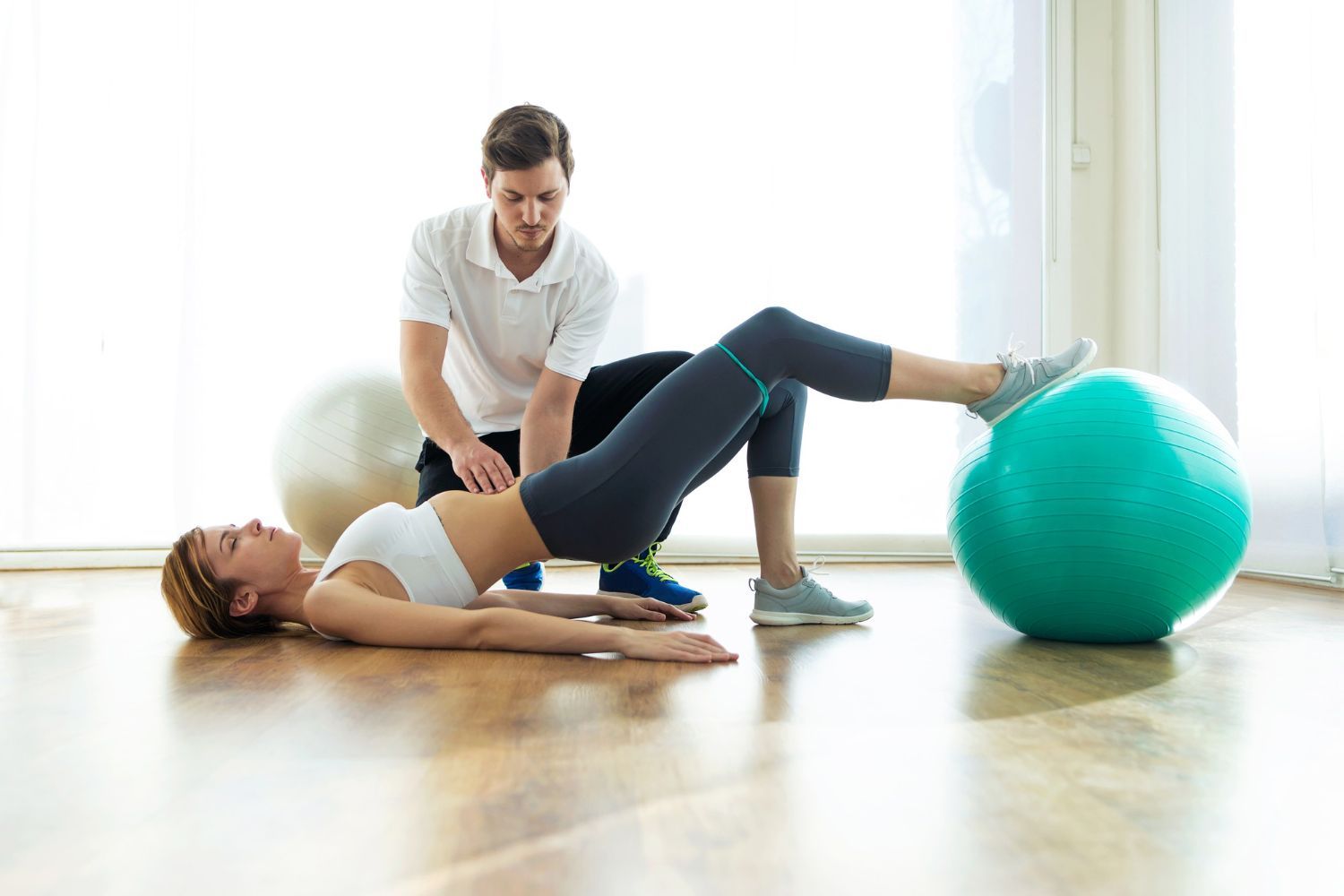
The clinical solution involves rebuilding the child's internal support system through highly specific, play based exercises. A professional assessment identifies exactly which muscles are tight and which require strengthening. Therapy sessions focus on engaging the deep core and stretching the hip internal rotators using dynamic games that feel like natural play rather than clinical work.
By slowly introducing alternative sitting positions and actively building trunk endurance, the child naturally transitions away from skeletal locking. We provide parents with constructive environmental modifications, such as offering a small stool or changing the height of the play surface, to encourage better mechanics at home. This supportive strategy ensures the child develops the structural foundation necessary for a lifetime of healthy movement.
Guiding Healthy Physical Development
Addressing persistent postural habits requires looking beneath the surface to find the mechanical root cause. By focusing on core engagement and hip mobility, you can set your child up for a structurally sound future. If you are concerned about your child's sitting habits or overall movement patterns, a professional evaluation offers clear answers and actionable solutions. Reach out to Pembina Physiotherapy & Sports Injury Clinic to consult with our pediatric therapy team today.
Share This Blog