Gentle Care: Pelvic Floor Physiotherapy for Postpartum Wellness
Pembina Physiotherapy & Sports Injury Clinic • July 29, 2026
Bringing a new life into the world is an incredible journey, but childbirth can place significant strain on your body—particularly your pelvic floor. Many new mothers experience changes such as bladder leakage, pelvic pain, or a feeling of weakness in their core. At Pembina Physiotherapy & Sports Injury Clinic in Winnipeg, we offer specialized pelvic floor physiotherapy designed to support postpartum women in healing, regaining strength, and feeling confident in their bodies again. If you are a new or expectant mother seeking gentle, expert guidance, read on to learn how pelvic floor physiotherapy can help restore your wellness after birth.
Understanding the Pelvic Floor and Its Postpartum Challenges
The pelvic floor is a group of muscles and connective tissues that support the bladder, uterus, and rectum. During pregnancy and childbirth, these muscles endure immense pressure and stretching. Vaginal deliveries, cesarean sections, and even carrying a baby to term can all influence the strength and function of the pelvic floor.
Common postpartum concerns include:
- Urinary incontinence (leakage during coughing, sneezing, or exercise)
- Fecal incontinence
- Pelvic organ prolapse (feeling of heaviness or bulging)
- Pelvic pain or discomfort, including during intercourse
- Core weakness and lower back pain
- Difficulty regaining control of abdominal muscles, including diastasis recti
These issues are common, but they don’t have to be permanent. Early and specialized intervention can make a world of difference in your recovery and overall well-being.
How Pelvic Floor Physiotherapy Supports Postpartum Recovery
At Pembina Physiotherapy & Sports Injury Clinic, our experienced pelvic health physiotherapists understand the unique needs of postpartum women. Pelvic floor physiotherapy is a research-backed, non-invasive approach that can help you address concerns, prevent complications, and regain function safely and effectively.
Your customized program may include:
- Thorough assessment of pelvic floor muscle strength, endurance, and coordination
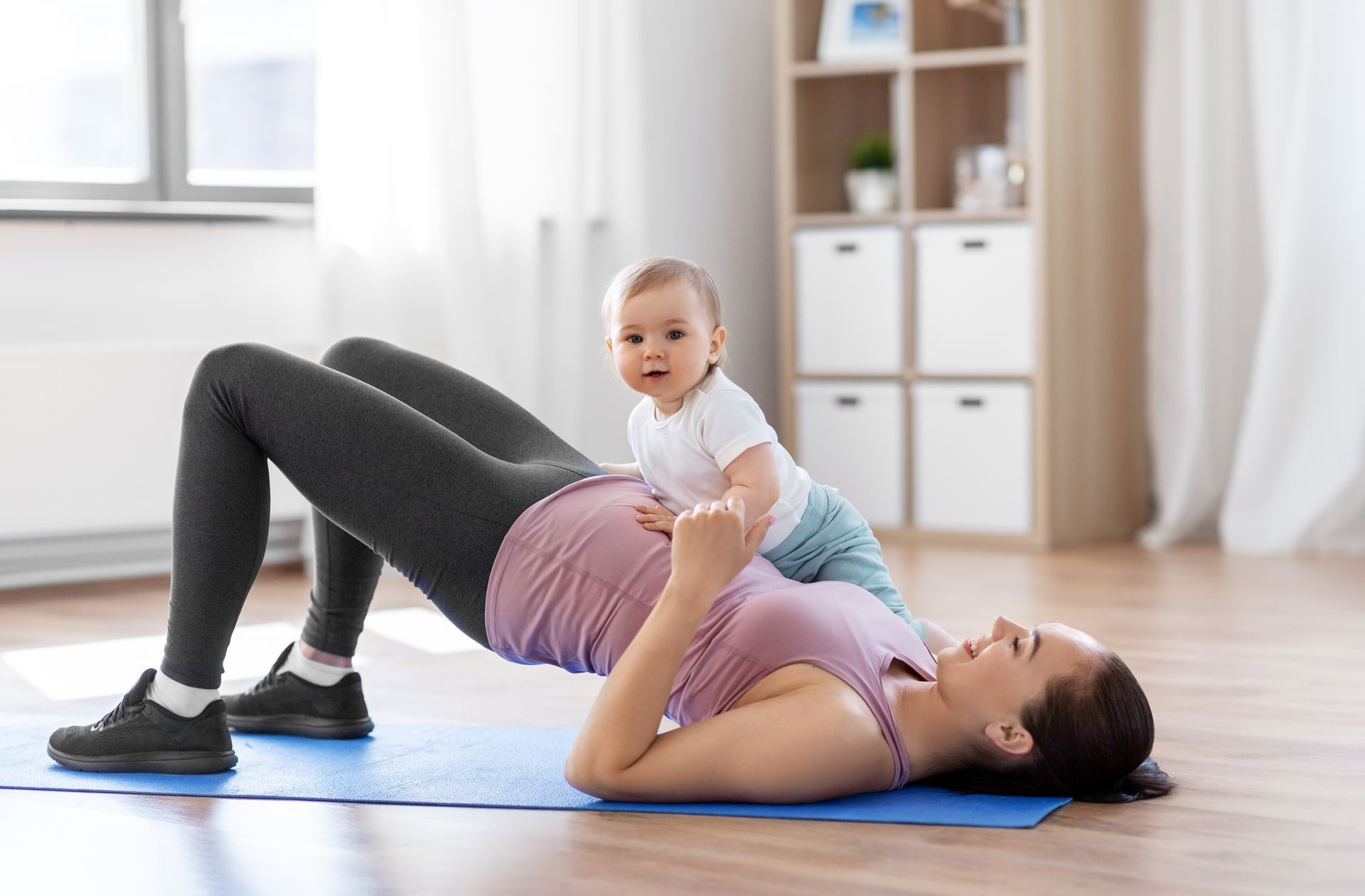
- Gentle, targeted exercises to rebuild muscle control and core stability
- Education on bladder and bowel health, safe lifting, and daily movement strategies
- Guidance on healing from perineal tears, C-section scars, and diastasis recti
- Strategies to minimize pain and improve sexual health
- Individualized progression, ensuring exercises are safe for your specific stage of recovery
Our physiotherapists create a supportive, judgment-free environment where your privacy, comfort, and goals are always respected.
What to Expect During Your First Visit
Your first pelvic floor physiotherapy appointment at Pembina Physiotherapy & Sports Injury Clinic will start with a detailed discussion about your birth story, any symptoms you’re experiencing, and your health goals. We’ll answer all your questions, explain the process, and ensure you feel at ease.
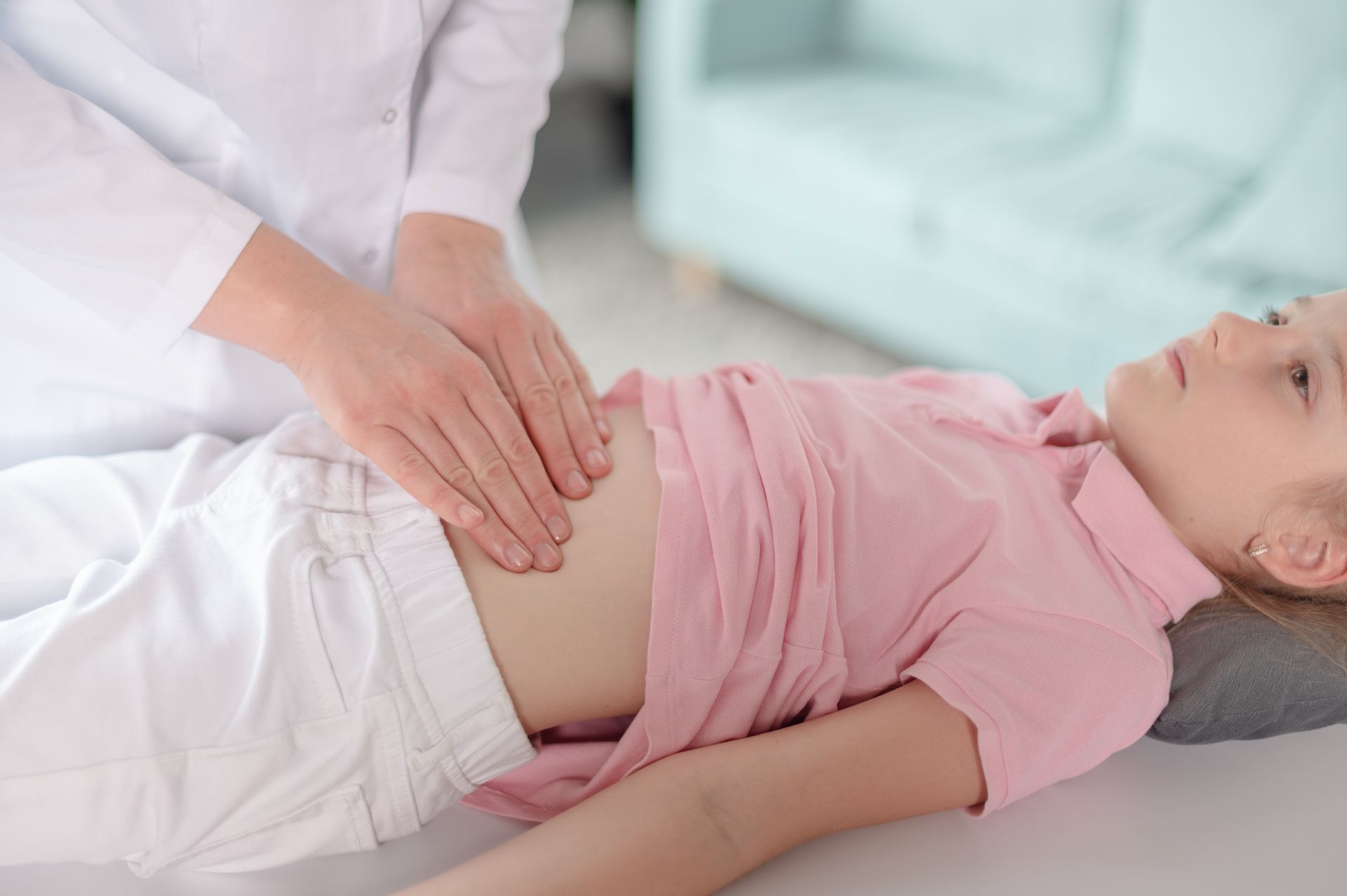
The assessment may include observing your posture, breathing, and core engagement. With your consent, a gentle internal examination may be performed to assess pelvic floor muscle function directly—but this is always optional and thoroughly explained. Based on your assessment, your physiotherapist will create a personalized treatment plan and begin teaching you the foundational exercises for home practice.
Benefits of Pelvic Floor Physiotherapy for Postpartum Women
Pelvic floor physiotherapy offers a range of physical and emotional benefits for new mothers, including:
- Reduced or resolved leakage and urgency
- Improved pelvic and core strength for daily activities and exercise
- Faster healing of tissues and scars
- Greater comfort during intimacy
- Enhanced confidence and quality of life
Perhaps most importantly, you’ll gain tools, knowledge, and ongoing support as you adjust to your new role and routines.
Why Choose Pembina Physiotherapy & Sports Injury Clinic in Winnipeg?
We are committed to delivering compassionate, evidence-based care tailored to every stage of your postpartum experience. Our therapists have advanced pelvic health training and a genuine passion for supporting women’s health. With direct billing, convenient scheduling, and a welcoming environment, our clinic takes the stress out of prioritizing your wellness.
Take the Next Step Toward Postpartum Wellness
You deserve to feel strong, capable, and comfortable in your body as you care for your new baby. If you are in Winnipeg or the surrounding area and looking for expert pelvic floor physiotherapy, the team at Pembina Physiotherapy & Sports Injury Clinic is here for you.
Don’t wait for symptoms to improve on their own—early support can make all the difference. Contact us today to book your confidential assessment or visit www.pembinaphysiotherapy.com to learn more about our services. Take the first step toward gentle, effective postpartum recovery and holistic wellness with Pembina Physiotherapy & Sports Injury Clinic. Your journey to feeling your best starts here.
Share This Blog