Should You Tape or Brace? Expert Advice for Safe Summer Activity
Pembina Physiotherapy & Sports Injury Clinic • June 3, 2026
As Winnipeg gears up for another vibrant summer full of sports, recreation, and outdoor fun, staying safe and injury-free is a top priority for individuals and families alike. Whether you’re hitting the running trails, joining a community soccer team, or simply planning more frequent walks in the park, it’s important to protect your muscles and joints. Two of the most common supports used to prevent and manage injuries are taping and bracing—but which one should you choose? At Pembina Physiotherapy & Sports Injury Clinic, we’re here to offer expert insight to help you stay active and pain-free throughout the season.
Understanding the Basics: Taping vs. Bracing
Taping and bracing are both designed to provide support, stability, and injury prevention for joints and muscles. However, they serve slightly different purposes and have unique advantages:
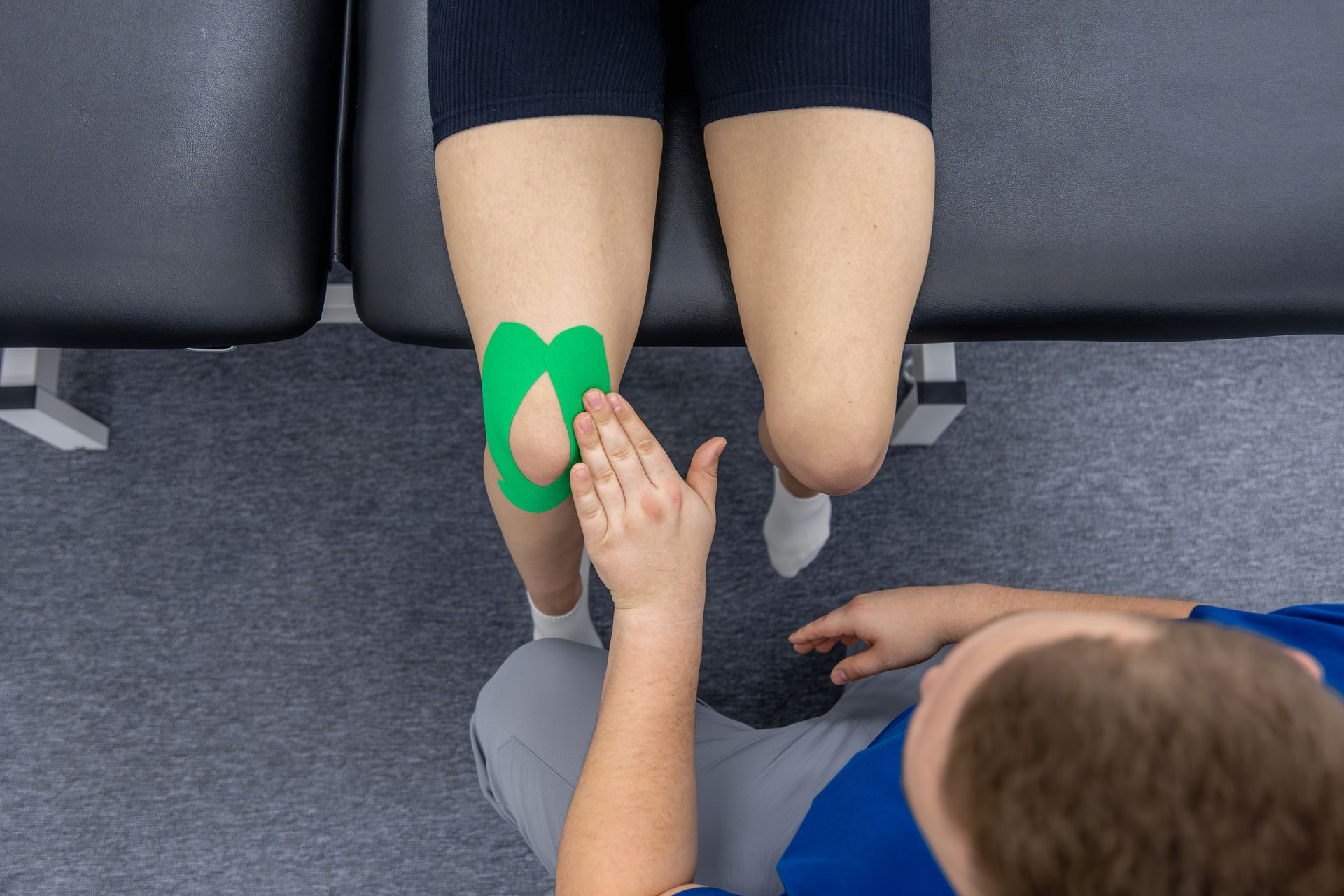
- Taping involves applying special adhesive sports tape (such as Kinesio or athletic tape) directly to the skin around the affected area. This technique offers flexible support, enhances proprioception (your body’s ability to sense movement), and helps guide safe, natural motion. Taping is often used for mild injuries, minor instability, and for ongoing athletic activity where full mobility is important.
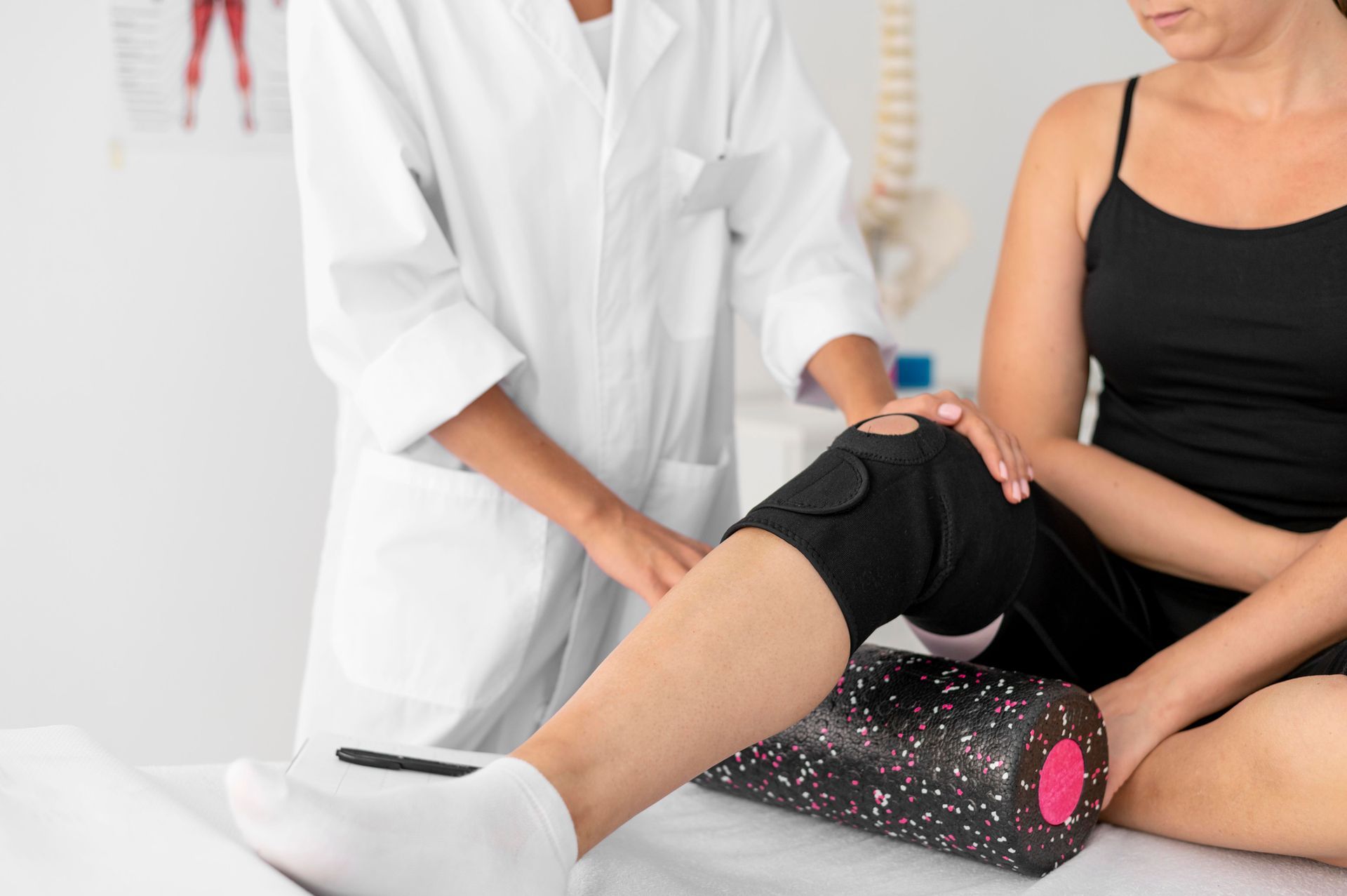
- Bracing uses a manufactured device, usually made from neoprene, fabric, or plastic, that fits over or around a joint. Braces can range from soft sleeves to rigid structures with built-in support or hinges. Bracing provides more substantial, consistent support and is commonly recommended for moderate-to-severe injuries, post-surgical recovery, or when it’s important to limit joint movement.
When Should You Consider Taping?
Taping is ideal in several scenarios, particularly for those looking to remain active while managing mild sprains, strains, or instability. Some common reasons to choose taping include:
- You’re dealing with a mild to moderate joint or muscle injury and want additional support during sports, running, or hiking.
- You desire a greater range of motion while still benefiting from extra stability.
- You need short-term support for a specific activity or event.
- You’re aiming to correct movement patterns or improve your body’s awareness during exercise.
At Pembina Physiotherapy & Sports Injury Clinic, skilled physiotherapists use a variety of taping techniques tailored to your body and your goals. Kinesio taping can help reduce swelling, decrease pain, and even improve posture. Best of all, tape is discreet and can be worn under summer gear and activewear.
When Is Bracing The Best Choice?
Bracing offers a higher level of protection and is often preferred for more significant injuries or conditions, such as:
- Recovering from surgery or a severe sprain or ligament injury, where minimizing movement is critical.
- Needing ongoing support for a chronic condition like knee osteoarthritis or joint instability.
- Engaging in high-impact sports where the risk of re-injury is high.
- Seeking additional protection and peace of mind during daily activities after a significant injury.
Bracing is generally easier to apply yourself and provides reliable support throughout the day, making it a good fit for individuals who are very active or return to play after a longer recovery.
How to Decide: Expert Assessment Matters
Choosing between taping and bracing isn’t always straightforward. Factors like injury type, severity, activity level, and personal comfort all play a role. That’s why consulting with a physiotherapist is crucial. At Pembina Physiotherapy & Sports Injury Clinic in Winnipeg, our team provides comprehensive assessments to identify the best approach for your needs. We educate you on proper taping and bracing techniques and can supply the right equipment or support as part of your personalized care plan.
Tips for Safe Summer Activity
- No matter which option you choose, remember these tips for a fun and healthy Winnipeg summer:
- Warm up and stretch before any activity.
- Stay hydrated and take breaks, especially in the heat.
- Listen to your body—if you feel pain, stop the activity and seek advice.
- Check your equipment regularly and replace worn-out tapes or braces.
- Consult with a physiotherapist before starting a new activity or returning to sport after an injury.
Ready to Stay Active and Pain-Free This Summer?
At Pembina Physiotherapy & Sports Injury Clinic, we’re passionate about helping you make the most of summer while prioritizing your health. Whether you need expert taping, a high-quality brace, or injury rehab, our friendly Winnipeg team is here for you. Book an assessment today to get personalized advice, professional support, and the confidence to enjoy every moment of your active life.
Call us or book an appointment online at www.pembinaphysiotherapy.com and experience the difference Pembina Physiotherapy can make for your recovery and summer adventures!
Share This Blog