Acupuncture or Dry Needling: Which Treatment Suits Your Recovery Goals?
Pembina Physiotherapy & Sports Injury Clinic • July 7, 2026
If you’re navigating pain, stiffness, or ongoing muscle tension, you might have heard about the benefits of acupuncture and dry needling. These innovative techniques are becoming popular for patients at Pembina Physiotherapy & Sports Injury Clinic in Winnipeg who want effective, evidence-based relief from a wide range of conditions. However, many people are unsure about the differences between acupuncture and dry needling—and which treatment might best align with their unique recovery goals. In this guide, we break down both options to help you make an informed decision on your path to better health.
Understanding Acupuncture and Dry Needling
While both acupuncture and dry needling involve inserting thin needles into the body, their origins, approaches, and therapeutic goals are different. Understanding these differences is the first step toward choosing the treatment that is right for you.
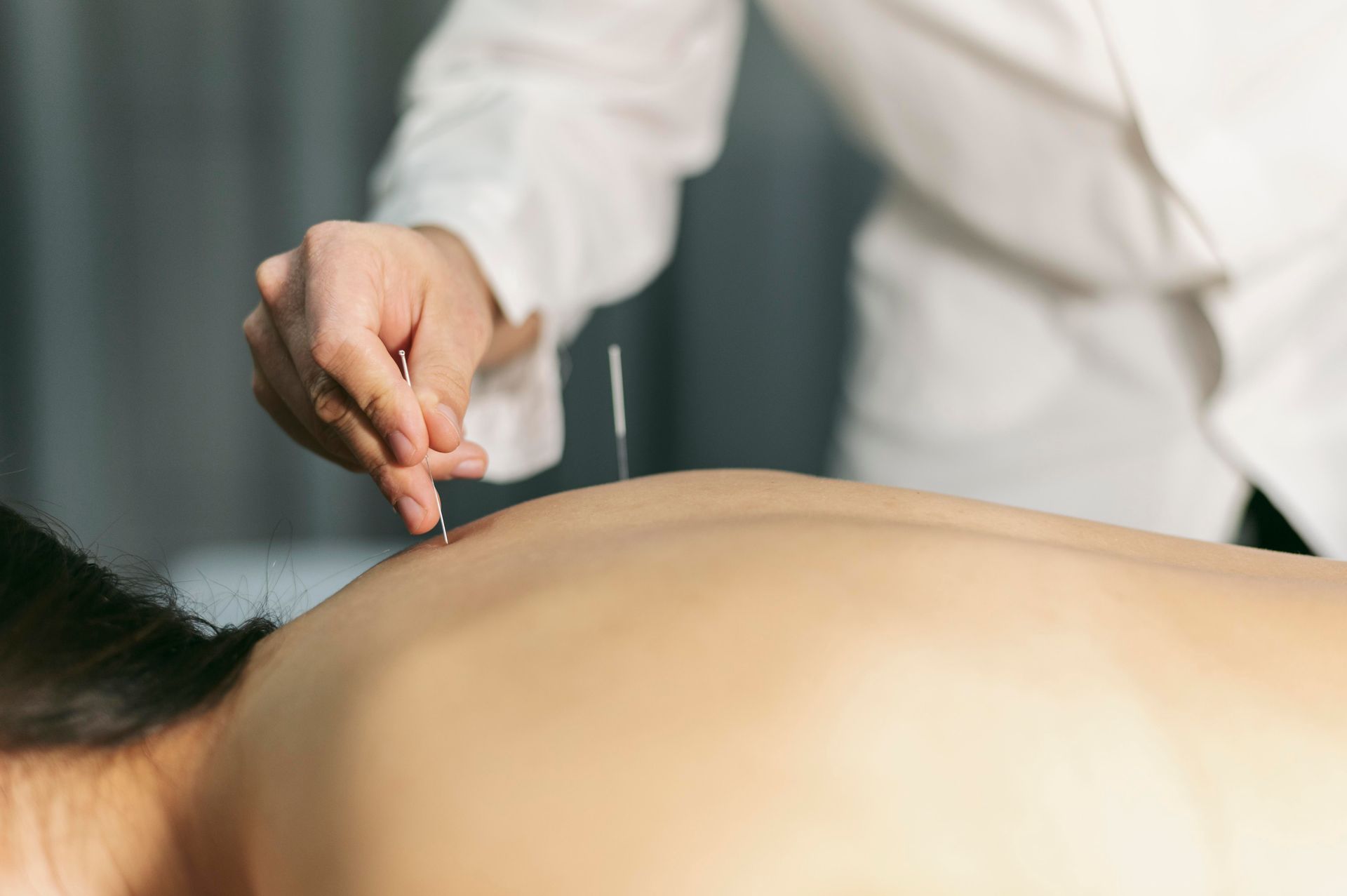
- Acupuncture at Pembina Physiotherapy & Sports Injury Clinic is rooted in Traditional Chinese Medicine. It focuses on stimulating specific points along the body’s energy pathways, or meridians, to rebalance energy, relieve pain, and support overall wellness. Our physiotherapists integrate acupuncture into physiotherapy sessions as a complementary technique to enhance recovery.
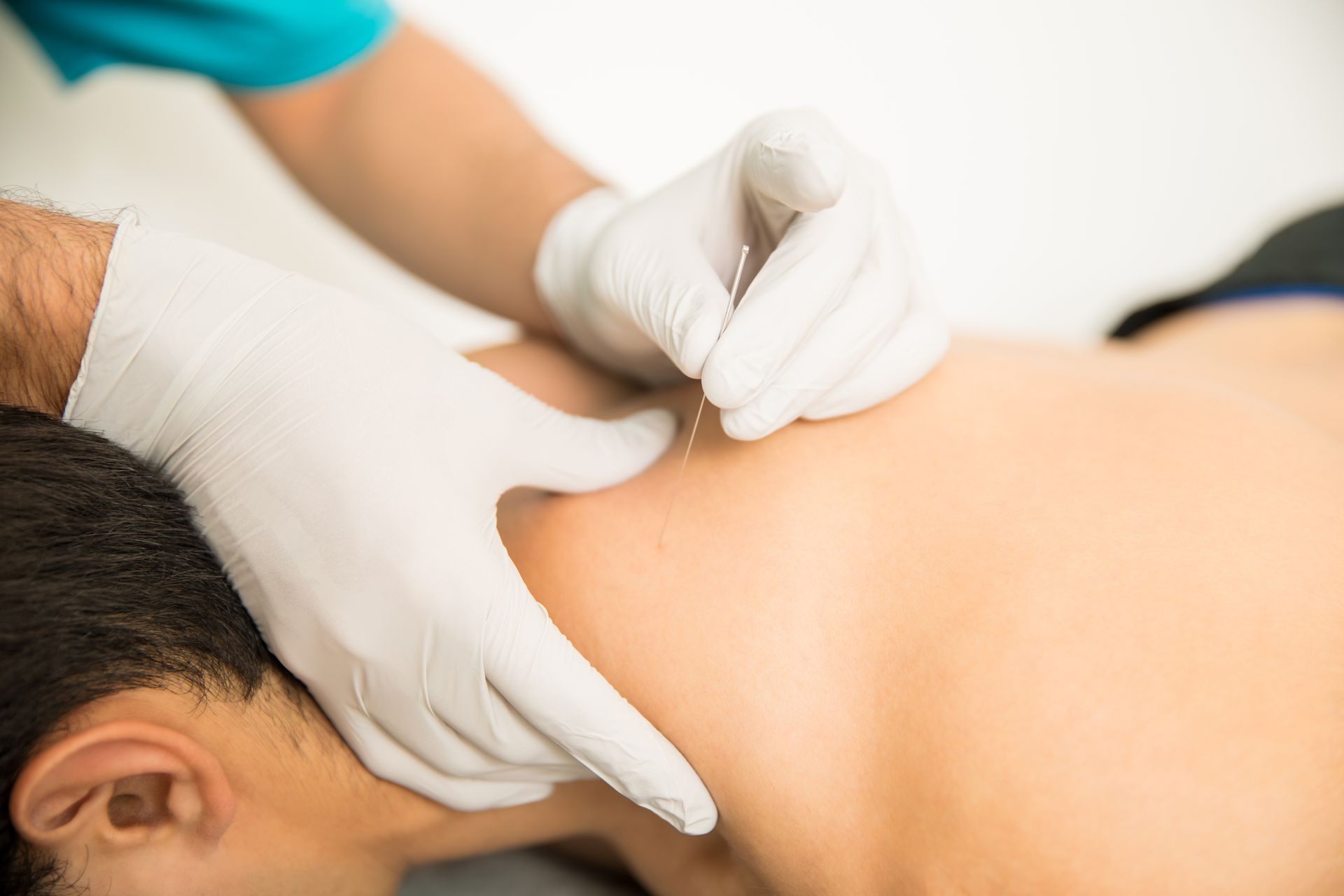
- Dry needling, on the other hand, is a modern Western technique used by physiotherapists to target muscular pain and dysfunction. It involves inserting sterile needles directly into myofascial trigger points—tightly contracted knots in your muscles—to release tension, improve mobility, and decrease pain. Dry needling is often employed as part of a comprehensive physiotherapy treatment plan for musculoskeletal issues.
When Should You Consider Acupuncture?
Acupuncture is especially effective for those dealing with:
- Chronic pain conditions, such as back pain, neck pain, arthritis, or headaches
- Stress-related symptoms, including tension and sleep disturbances
- Musculoskeletal complaints where gentle, holistic intervention is preferred
By targeting specific acupuncture points, this treatment can help regulate the nervous system, promote circulation, and trigger the body’s natural healing response. Many clients at Pembina Physiotherapy & Sports Injury Clinic report not only reduced pain but an overall sense of relaxation and well-being following their session.
When Is Dry Needling the Better Option?
Dry needling may be recommended for:
- Localized muscle tension or “knots” causing referred pain
- Sports-related injuries or overuse conditions, such as tendinitis
- Restricted range of motion due to tight or shortened muscles
Unlike acupuncture, dry needling is highly targeted to specific problem areas. It can result in immediate improvement in muscle length, decreased pain, and enhanced function. Dry needling is an excellent tool for athletes, active adults, or anyone who needs fast and focused pain relief to return to their everyday activities.
What to Expect During Each Treatment
Acupuncture sessions at Pembina Physiotherapy & Sports Injury Clinic begin with an assessment of your health history and current concerns. Your therapist will select acupuncture points tailored to your symptoms and recovery goals. The insertion of ultra-fine needles is gentle, and most patients find the process relaxing—some even fall asleep.
Dry needling sessions start with a physical assessment to identify trigger points. Your physiotherapist will use thin, sterile needles to penetrate the muscle tissue. Some patients experience a brief muscle twitch or mild ache, which is a sign the trigger point is releasing. While dry needling usually creates temporary soreness, this quickly gives way to greater flexibility and pain relief.
Safety and Expertise at Pembina Physiotherapy & Sports Injury Clinic
Both acupuncture and dry needling are performed only by experienced, certified physiotherapists at our Winnipeg clinic. We use sterile, single-use needles and follow the highest standards of patient safety. Before starting any treatment, we conduct a thorough assessment and discuss your health history to ensure you are a suitable candidate and understand what to expect.
How to Decide Which Treatment is Right for You
The best choice depends on your unique needs and recovery goals. If you’re interested in a holistic, gentle therapy that addresses both physical and emotional well-being, acupuncture may be an ideal complement to your physiotherapy program. If you want focused, fast relief from muscle pain or sports injuries, dry needling could offer the targeted support you need.
Still unsure? The team at Pembina Physiotherapy & Sports Injury Clinic is here to help. Our physiotherapists are skilled in both techniques and will work with you to develop a personalized plan to get you back to doing what you love—pain free and stronger than ever.
Book Your Treatment Consultation Today
Ready to explore acupuncture, dry needling, or both? Contact Pembina Physiotherapy & Sports Injury Clinic on Pembina Highway in Winnipeg to schedule your comprehensive assessment. Our team will guide you in selecting the best evidence-based therapies for your specific recovery goals. Experience personalized care and effective pain relief—book your appointment today and take the first step toward lasting wellness.
Share This Blog