Pediatric Pelvic Floor: Helping Kids With Bedwetting & Constipation
Pembina Physiotherapy & Sports Injury Clinic • June 23, 2026
Bedwetting and constipation are common concerns for many families, but did you know that pediatric pelvic floor physiotherapy can play a crucial role in resolving these issues? At Pembina Physiotherapy & Sports Injury Clinic in Winnipeg, our specialized services help children and parents navigate these challenges with confidence, care, and proven strategies.
Understanding Pediatric Pelvic Floor Dysfunction
The pelvic floor muscles support the bladder and bowel, and help control urination and defecation. When these muscles don’t work as they should, children may experience bedwetting (also called nocturnal enuresis), daytime accidents, constipation, or other toileting difficulties. These issues can affect children’s confidence, disrupt sleep, and create stress for the entire family.
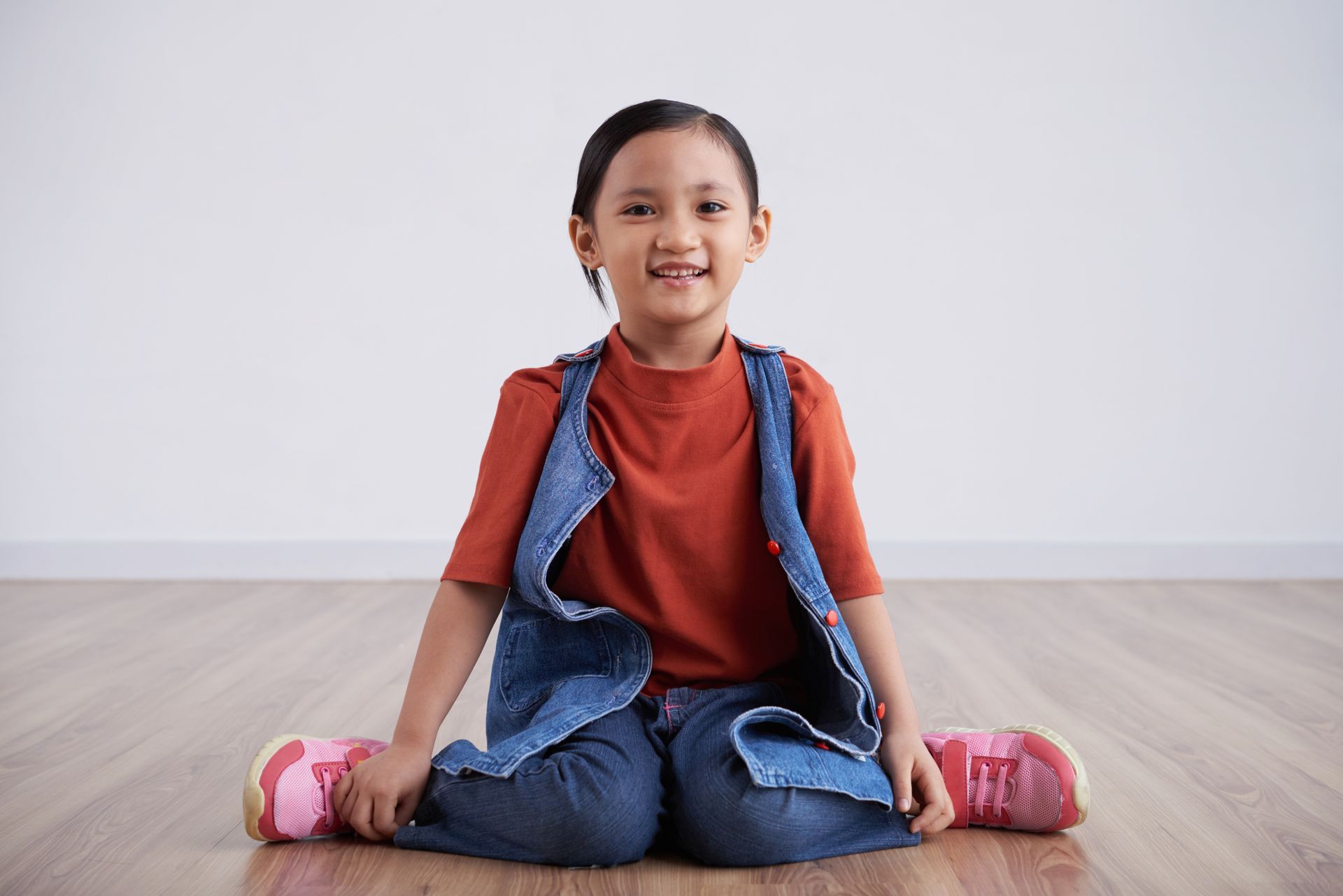
Pelvic floor dysfunction isn’t just an adult problem. Kids as young as toddlers can struggle with these symptoms due to developmental delays, potty training challenges, constipation, anxiety, or underlying muscle and nerve issues. Identifying and addressing pelvic floor dysfunction early can make a big difference in your child’s comfort and well-being.
How Common Are Bedwetting and Constipation in Kids?
Bedwetting affects nearly 1 in 10 school-aged children and is particularly common in kids aged five and under. Constipation can impact up to 30% of children at some point, causing pain, infrequent stools, and sometimes withholding behaviors.
While these conditions are often temporary, some children experience persistent symptoms that need professional support. Ignoring these issues can lead to emotional distress and even medical complications over time, so early intervention is key.
Why See a Pediatric Pelvic Floor Physiotherapist?
At Pembina Physiotherapy & Sports Injury Clinic, our certified pediatric pelvic floor therapists offer assessments and gentle, evidence-based treatment to help kids overcome bedwetting, constipation, and related problems. We take a compassionate, family-centered approach, ensuring both children and parents feel comfortable and empowered.
A pediatric pelvic floor assessment will include:
- A comprehensive history of your child’s symptoms, routines, and developmental milestones
- Evaluation of posture, movement, and pelvic floor muscle function
- Collaboration with parents to design a home program that supports ongoing progress
Our therapists use kid-friendly language and playful techniques to engage children in their own care, making each session stress-free and effective.
How Does Pediatric Pelvic Floor Therapy Help?
The aim of pediatric pelvic floor physiotherapy is to improve muscle strength, coordination, and relaxation so children can gain better control over their bladder and bowel. Typical treatment strategies include:
- Education: Demystifying how the bladder, bowel, and pelvic floor muscles work. We teach children and families about healthy toileting habits and address any myths that may increase anxiety.
- Muscle Training: Using child-appropriate exercises, such as “squeeze and release” games for pelvic floor muscles, deep breathing, and relaxation to reduce tension and improve function.
- Biofeedback: In some cases, real-time feedback tools help children understand how to contract and relax their muscles.
- Routine and Lifestyle Support: Encouraging regular toilet breaks, fluid intake adjustments, and dietary changes to support healthy digestion and bladder emptying.
- Parental Guidance: Empowering parents with strategies for positive reinforcement, stress management, and effective communication to ease the emotional impact of these issues.
When to Seek Professional Help
If your child has ongoing bedwetting after age five, frequent daytime accidents, constipation lasting more than two weeks, or if toileting problems are affecting their confidence and social life, it’s time to consult a pediatric pelvic floor physiotherapist. Early support can prevent long-term complications and make toilet training a more positive experience for your family.
Why Choose Pembina Physiotherapy & Sports Injury Clinic?
Pembina Physiotherapy & Sports Injury Clinic is proud to offer one of Winnipeg’s most comprehensive pediatric pelvic floor physiotherapy programs. Our certified therapists are dedicated to helping children of all ages—from toddlers to teens—overcome the challenges of bedwetting, constipation, and other bladder or bowel issues. With a welcoming, child-friendly clinic environment, personalized treatment plans, and a commitment to family-centered care, your child is in excellent hands.
Take the Next Step Toward Comfort and Confidence
If your child is struggling with bedwetting, constipation, or potty training challenges, don’t wait—help is available. Contact Pembina Physiotherapy & Sports Injury Clinic today to book an assessment with our pediatric pelvic floor specialist. Give your child the tools they need for greater independence, comfort, and confidence—one step at a time.
Call our Winnipeg clinic or visit www.pembinaphysiotherapy.com to book an appointment. Your family’s journey to better pelvic health starts here!
Share This Blog