Returning to Outdoor Sports: How to Prevent Common Summer Injuries
Pembina Physiotherapy & Sports Injury Clinic • May 6, 2026
Outdoor sports are a highlight of summer in Winnipeg, offering a chance to stay active, socialize, and enjoy the warm weather. Whether you’re gearing up for soccer season, hitting the tennis courts, joining a softball league, or training for a community run, the fresh air and sunshine make physical activity even more appealing. However, as excitement grows for the season, so does the risk of injury. At Pembina Physiotherapy & Sports Injury Clinic, we’re dedicated to helping you enjoy your favourite activities safely and avoid common summer injuries.
Understanding the Most Common Summer Sports Injuries
Many injuries seen in summer sports are preventable with the right approach. The most frequent issues our clinic treats during the warmer months include:
- Sprains and strains: Often affecting ankles, knees, or wrists, these injuries occur when ligaments or muscles are overstretched or torn.
- Muscle pulls: Overexerting or not warming up properly can cause muscles to be pulled, especially in sports involving running, jumping, or sudden movements.
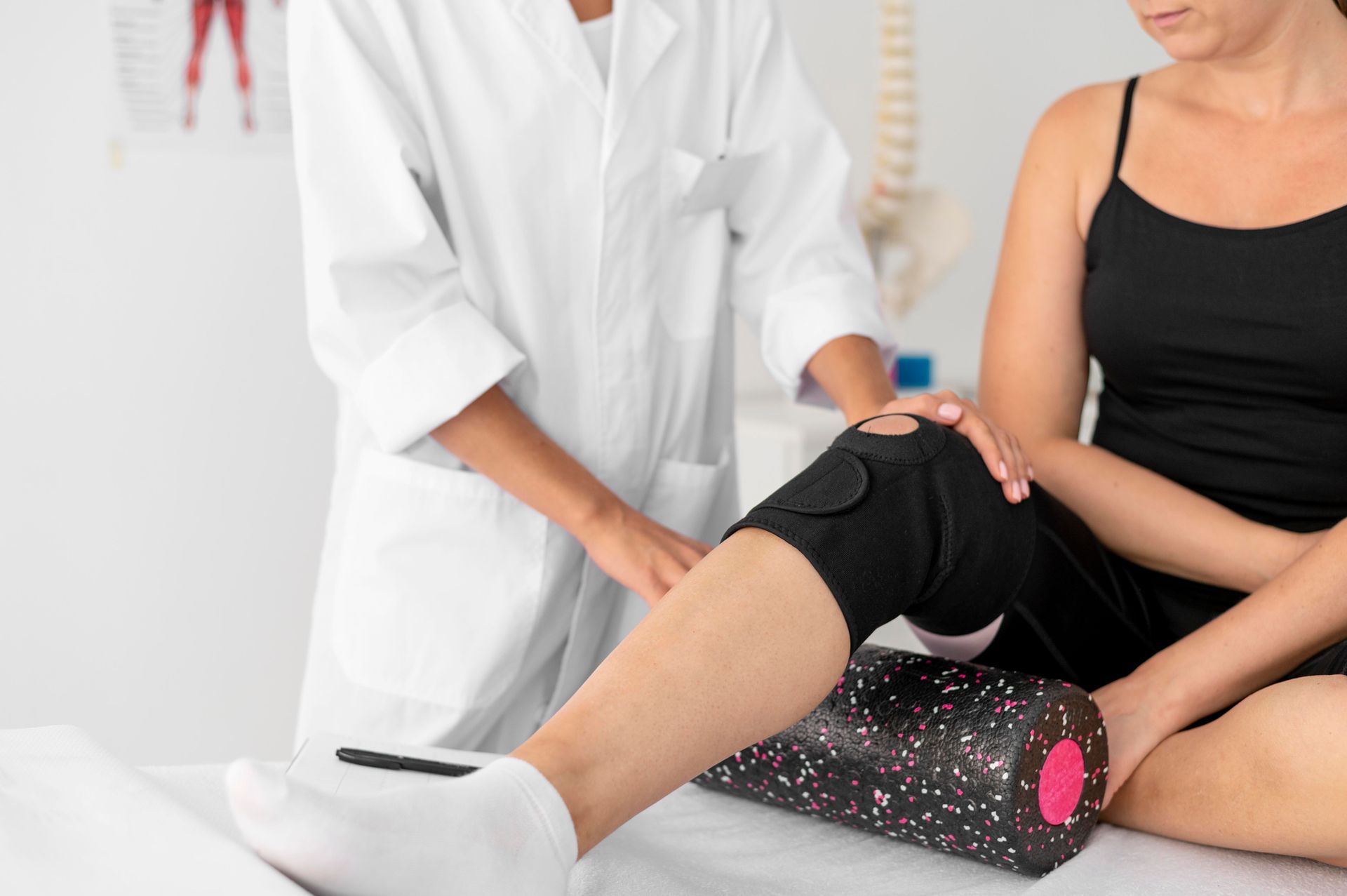
- Knee injuries: Sports like soccer and basketball put significant pressure on the knees, leading to ACL tears or meniscus injuries.
- Shoulder injuries: Tennis, baseball, and volleyball can cause shoulder impingements, rotator cuff strains, and dislocations from repetitive overhead motion.
- Heat-related injuries: Dehydration, heat exhaustion, and heatstroke are serious concerns during intense outdoor exercise.
Preventing Summer Sports Injuries: Key Tips from Pembina Physiotherapy
Stay Injury-Free with a Good Warm-Up and Cool Down
Skipping a proper warm-up is one of the most common mistakes that lead to early-season injuries. Start each session with at least 5–10 minutes of light aerobic activity—like jogging or skipping—followed by dynamic stretches that mimic your sport’s movements. This prepares your muscles, boosts circulation, and improves flexibility.
After your activity, take time to cool down with gentle movement and static stretches to help reduce muscle soreness and speed up recovery.
Progress Gradually to Boost Performance and Safety
Eager to jump back in at full intensity? Take it slow. If you’ve taken a break from regular training, increase your activity level gradually to allow your body to adapt. Increases in exercise duration or intensity should be no more than 10% a week to minimize overuse injuries.
Prioritize Proper Technique and Equipment
Using improper form or worn-out gear increases your chance of getting hurt. Make sure your equipment—such as footwear, racquets, or protective gear—fits well and is in good condition. Don’t hesitate to seek professional advice if you’re unsure about technique, especially when learning new skills.
Hydrate and Listen to Your Body
Hydration is crucial on hot summer days. Drink water before, during, and after activity, even if you don’t feel thirsty. Taking regular breaks and listening to early signs of fatigue, discomfort, or pain can help you catch issues before they develop into injuries. Never ignore persistent aches—address them early with rest or assessment.
Include Strength and Flexibility Training
Complement your sport with strength and conditioning exercises that target the muscles used most frequently. Pembina Physiotherapy’s experienced team can recommend exercises to support your body’s needs, reduce the risk of muscular imbalances, and improve your athletic performance.
Don’t Neglect Recovery
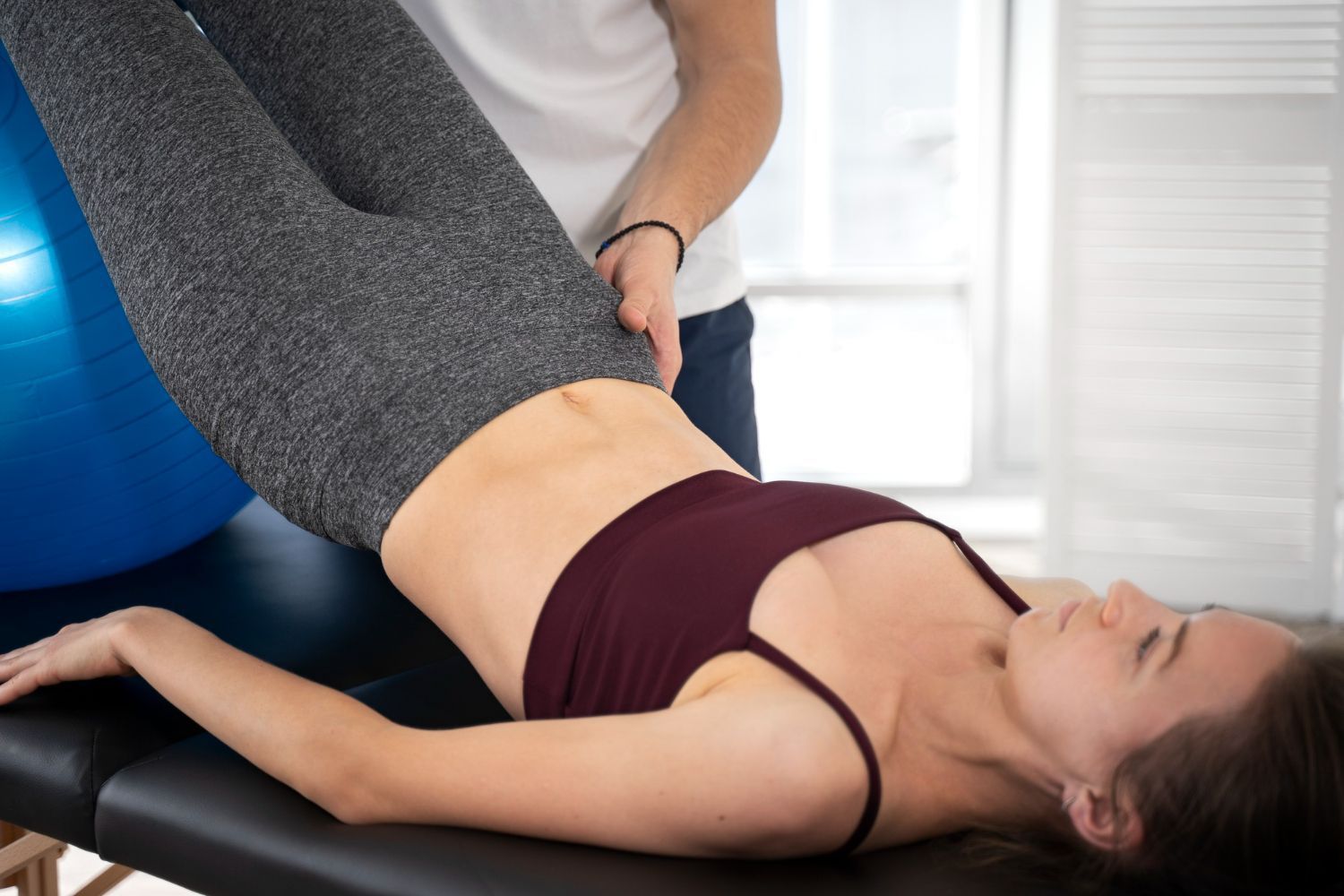
Rest days and adequate sleep are essential components of any successful training plan. Recovery allows your body to rebuild and strengthen, making you less prone to injury. If you’re dealing with ongoing soreness, consider manual therapy to aid recovery and maintain flexibility.
When to Seek Professional Help
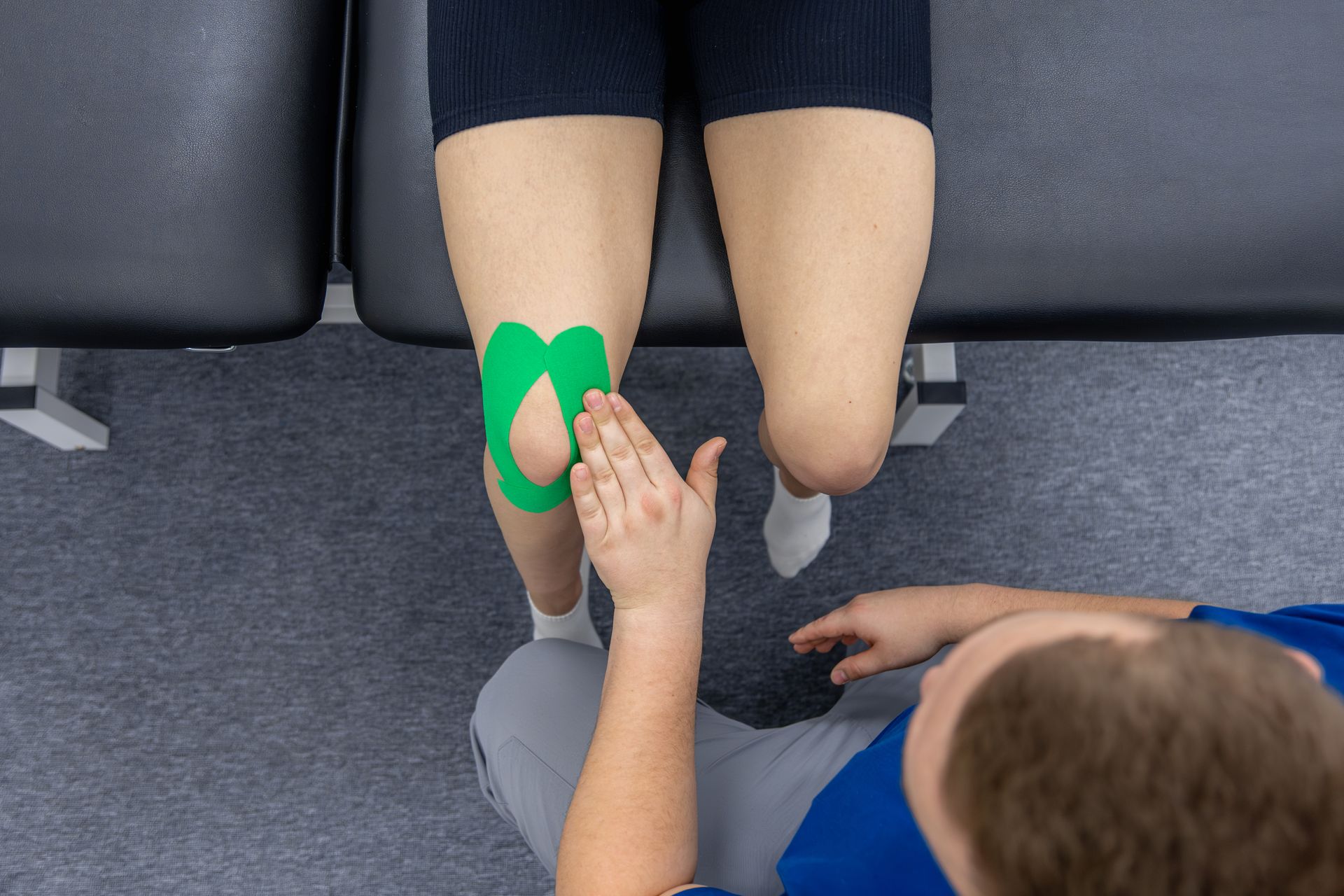
If you experience persistent pain, swelling, instability, or restricted movement after activity, don’t hesitate to seek guidance from the experts at Pembina Physiotherapy & Sports Injury Clinic. Early assessment and intervention can speed up recovery and prevent minor issues from becoming chronic problems. Our evidence-based approach—ranging from custom exercise programs to manual therapy, taping, and dry needling—ensures you get back to your sport safely and confidently.
Get Ready to Make the Most of Your Summer
Staying active through summer sports should be safe and enjoyable. By following these prevention tips, you can reduce your risk of injury and keep your body moving all season long. Ready to optimize your performance and stay injury-free? Book an appointment at Pembina Physiotherapy & Sports Injury Clinic today. Our dedicated Winnipeg team is here to help you prevent injuries, recover faster, and enjoy your best summer yet.
Call us or visit www.pembinaphysiotherapy.com to schedule your comprehensive assessment and get personalized care for every stage of your athletic journey. Don’t let injuries sideline your summer—trust Pembina Physiotherapy for expert care and support!
Share This Blog