Hip or Knee Replacement Rehab: A Week‑by‑Week Physio Roadmap
Pembina Physiotherapy & Sports Injury Clinic • May 12, 2026
Undergoing a hip or knee replacement is a life-changing decision that can restore mobility and improve quality of life. At Pembina Physiotherapy & Sports Injury Clinic, we understand that recovery doesn’t end with surgery—it truly begins with rehabilitation. If you or a loved one in Winnipeg is preparing for or recovering from a hip or knee replacement, having a clear, week‑by‑week physiotherapy roadmap can make all the difference. Here’s what to expect and how our experienced physiotherapists can guide you on your path to a successful recovery.
Why Rehab Is Vital After Joint Replacement
Rehabilitation plays a crucial role after joint replacement surgery. A structured physiotherapy plan helps reduce pain and swelling, regain strength, restore flexibility, and prevent complications. Most importantly, a guided rehab program ensures you return to your daily activities safely and with confidence.
Week 1: The First Steps After Surgery
The first week following hip or knee replacement is about pain management, reducing swelling, and beginning gentle movement. In this stage, your physiotherapist will:
- Teach safe ways to get in and out of bed
- Introduce gentle ankle pumps and foot circles to promote circulation
- Provide basic breathing exercises to reduce the risk of complications
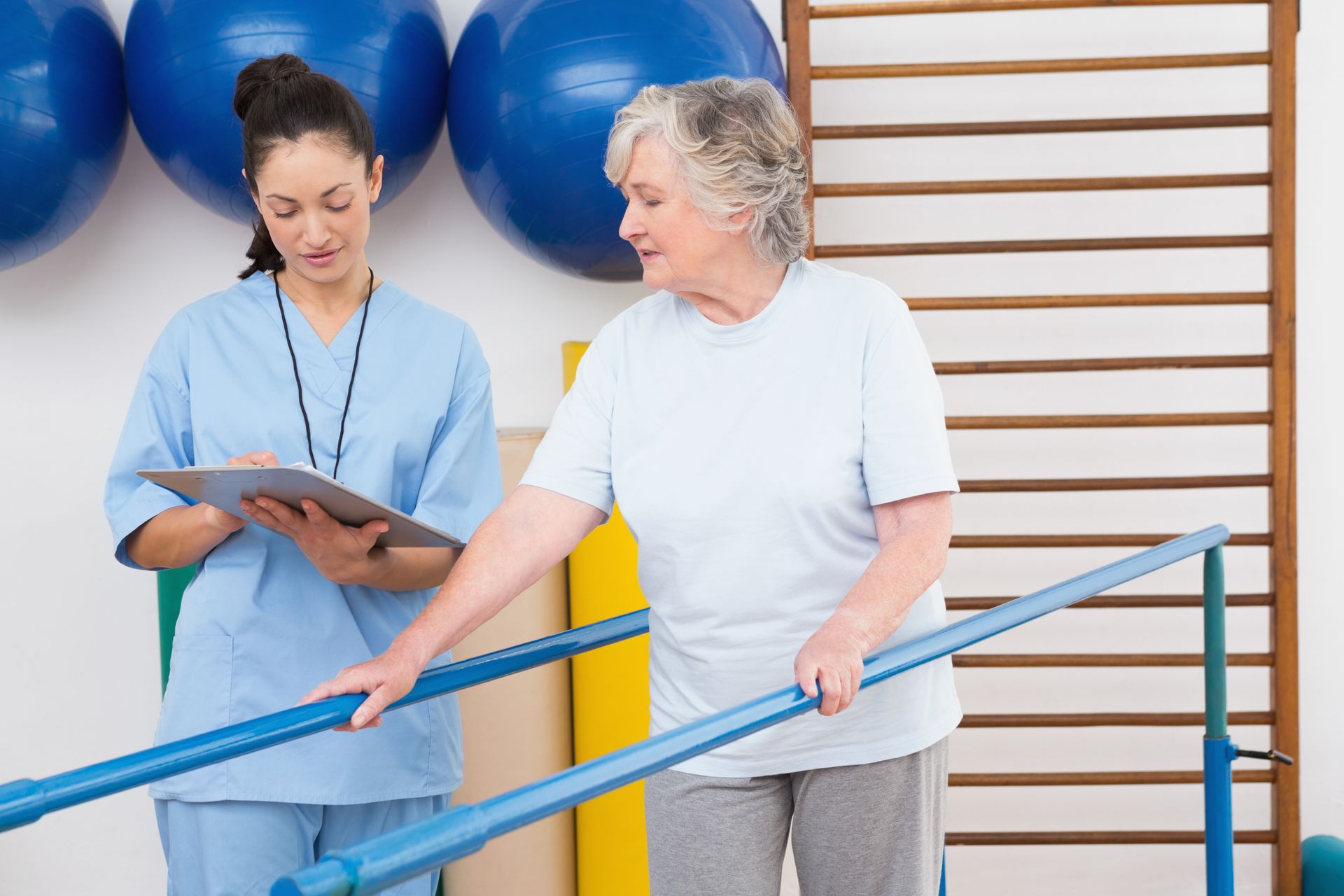
- Guide you through the use of assistive devices, such as walkers or crutches
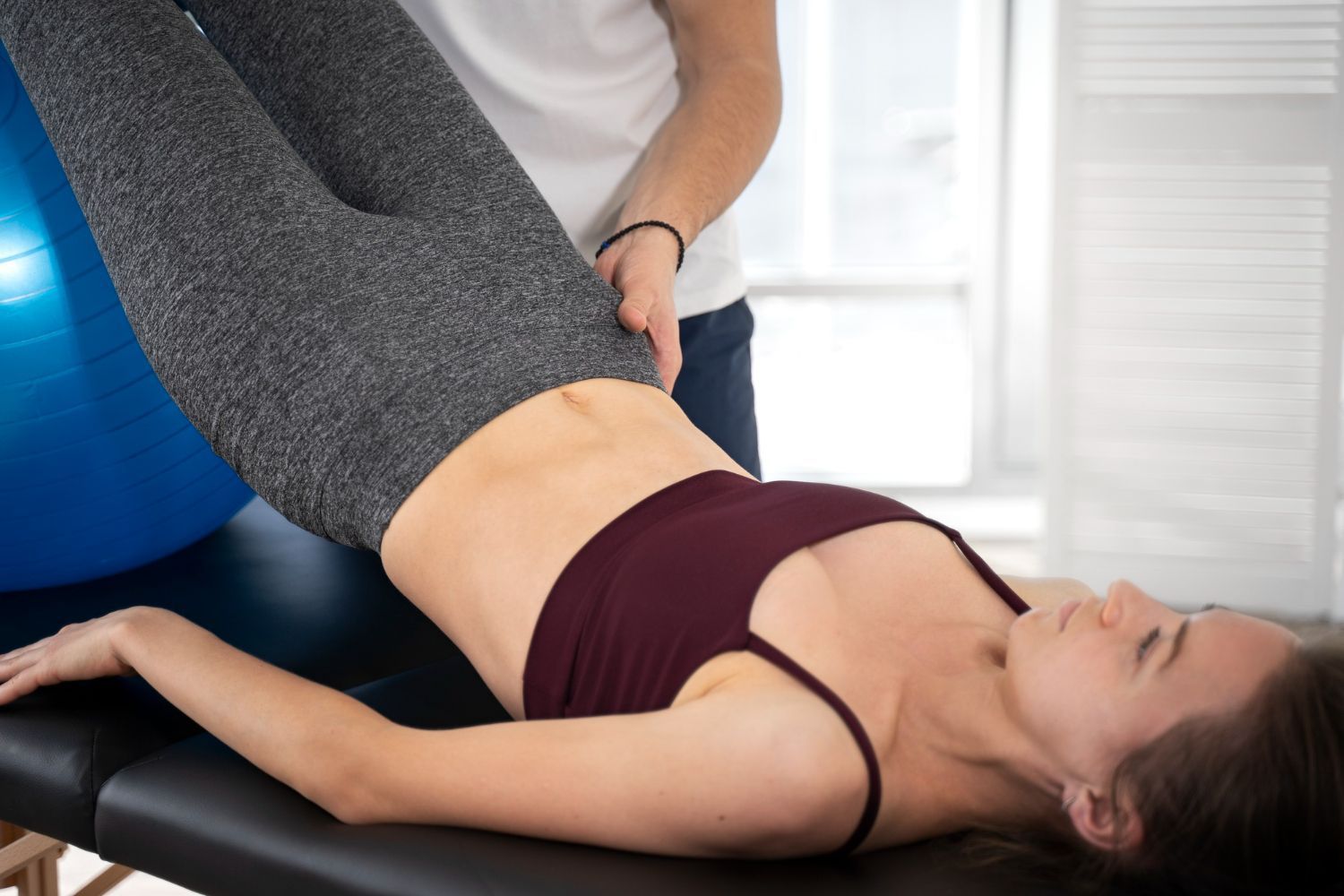
- Begin very gentle range-of-motion exercises for your new joint
At Pembina Physiotherapy & Sports Injury Clinic, we prioritize your comfort and safety during these initial steps, whether you’re recovering in hospital or at home.
Weeks 2‑3: Building a Foundation
By the second and third week, you’ll likely notice some reduction in pain and swelling. This period focuses on gradually increasing movement and independence.
- Gradual progression from walker to cane, as appropriate
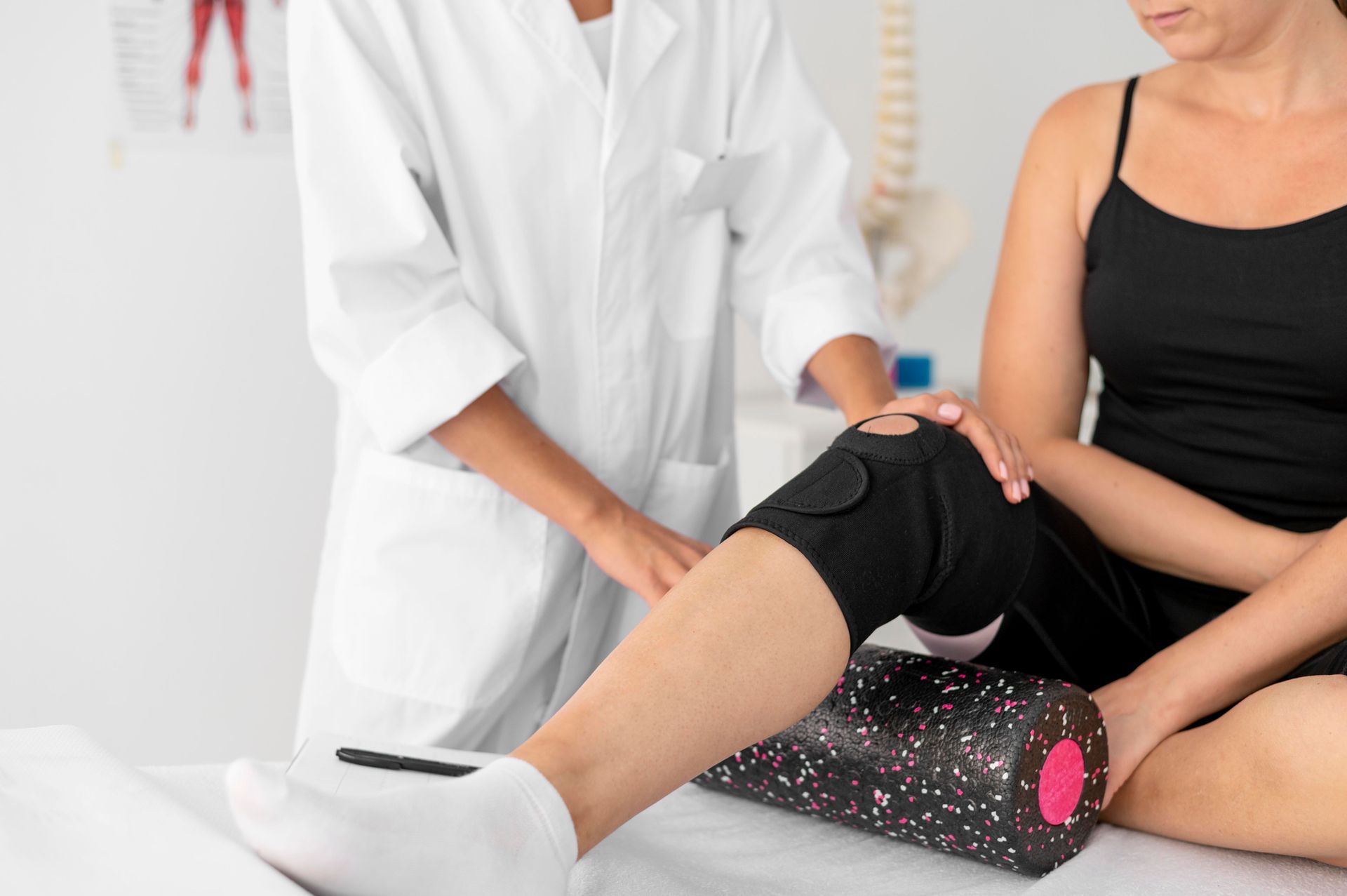
- Increased range-of-motion exercises for your hip or knee
- Gentle strengthening of surrounding muscles, especially your quadriceps or glutes
- Balance and proprioception activities to improve stability
- Education on scar care and monitoring for signs of infection
Our physiotherapists tailor exercises to your abilities and monitor your progress closely, ensuring each movement is both safe and effective.
Weeks 4‑6: Regaining Mobility and Strength
During this phase, your confidence and strength begin to grow. Your rehabilitation plan will include:
- More challenging range-of-motion and strengthening exercises
- Functional training to help you perform tasks like sitting, standing, and walking longer distances
- Balance and gait retraining to ensure proper walking pattern
- Introduction of low-impact activities (e.g., stationary cycling or pool exercises)
We focus on restoring your independence so you can return to enjoyable daily routines in your Winnipeg community.
Weeks 7‑12: Returning to Normal Activities
As you reach the two to three-month mark, rehabilitation is aimed at preparing you for a full return to normal activities.
- Advanced strengthening and endurance exercises
- Climbing stairs, squatting, and more demanding functional tasks
- Strategies to resume hobbies, recreational walking, or gardening
- Education on long-term joint care and injury prevention
Your therapist at Pembina Physiotherapy will adjust your plan based on your goals—whether it’s walking the dog around the neighbourhood, returning to golf, or simply enjoying pain-free movement.
Beyond 12 Weeks: Ongoing Progress
Long-term success after a hip or knee replacement depends on maintaining your progress. Our clinic provides support for:
- Home exercise routines to continue building strength
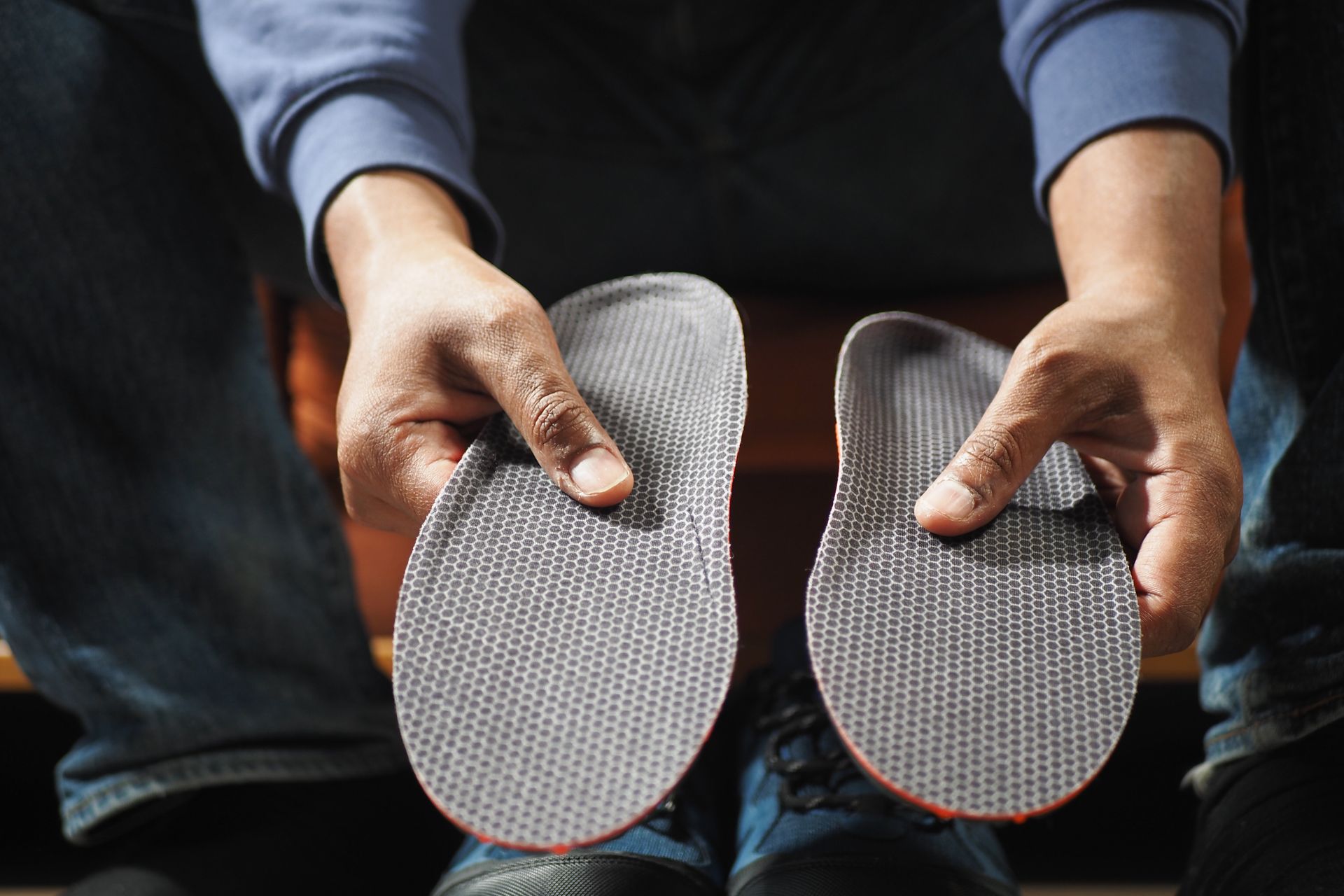
- Custom orthotics or assistive devices if needed
- Tips for maintaining a healthy weight and active lifestyle
- Guidance for safe return to low-impact sports or activities
Why Choose Pembina Physiotherapy & Sports Injury Clinic?
Our dedicated team has helped hundreds of Winnipeg residents recover from hip and knee replacements since 1985. We offer personalized, evidence-based rehab plans, direct billing to most insurance providers, and compassionate support every step of the way. Our post-op hip and knee sessions are designed to optimize your recovery and help you regain your best life.
Ready to Begin Your Recovery Journey?
Your path to mobility begins with expert guidance and a dedicated rehab team. If you’re preparing for or recovering from a hip or knee replacement in Winnipeg, trust Pembina Physiotherapy & Sports Injury Clinic to support your journey. Book your assessment today and take the first step toward moving with confidence and comfort.
Call us or visit www.pembinaphysiotherapy.com to schedule your appointment with an experienced Winnipeg physiotherapist.
Share This Blog