Harnessing the Healing Techniques: An Insight into Cupping Therapy

In the quest for improved health and wellness, many people today are turning to ancient healing methods. One such therapy that has gained significant popularity recently is cupping therapy. At Pembina Physiotherapy & Sports Injury Clinic, we utilize a blend of conventional and contemporary therapies, including cupping, to serve our patients.


We are here to furnish an insight into this age-old technique of oriental origins, which has been beneficial to many of our patients.


Understanding Cupping Therapy


Cupping therapy is a therapeutic technique that involves placing cups on the skin to create suction. The process helps stimulate the flow of blood, balance and realign the flow of Qi, break up obstructions, and create an avenue for toxins to be drawn out of the body. Cupping therapy can alleviate a range of conditions, from chronic pain and inflammation to blood disorders and releasing muscle tension.


The Science Behind Cupping


When the cup is placed onto the skin, the pressure within the cup decreases, creating a vacuum effect. This suction pulls the skin, underlying tissues, and muscles upwards and increases the blood flow to the area. This influx of blood nourishes the muscle tissues, promoting healing and relieving tension. Moreover, by targeting specific meridians (or energy channels), cupping helps to balance and restore the body's natural energy flow.


The Benefits of Cupping Therapy


Pain Relief: Cupping therapy has been found particularly effective in providing relief from both acute and chronic pain. It reduces inflammation, promotes tissue healing, and improves blood flow, thus relieving pain.


Promotes Blood Flow: By creating a suction effect on the skin, cupping therapy can increase blood circulation to the area where the cups are placed. This improved blood flow can promote cell repair, relieve muscle tension, and enhance overall tissue health.


Promoting Relaxation: Like other forms of massage therapy, cupping can be incredibly relaxing. The treatment can induce a deep sense of relaxation and emotional well-being, similar to the experience one might have during a deep tissue massage.


Enhanced Athletic Performance: Athletes may benefit from cupping as it can help reduce muscle soreness, improve circulation, accelerate recovery from injuries, and enhance overall physical function.


Types of Cupping Therapy


At Pembina Physiotherapy & Sports Injury Clinic, we offer various types of cupping, including:


Dry Cupping: The most commonly used type of cupping. A vacuum is created using heat or a mechanical device, and cups are left in place for several minutes.


Moving or Sliding Cupping: Oil is applied to the skin, and then the cup is moved in a sliding motion instead of being left in place.


Final Thoughts On Cupping Therapy


Harnessing the healing techniques of the past to address the health concerns of the present is a powerful approach. Cupping therapy is a safe, non-invasive, and low-cost technique that could help you manage your health conditions better. It's imperative, however, to have this therapy administered by a trained professional to avoid any potential side effects and to achieve maximum benefits.


At Pembina Physiotherapy & Sports Injury Clinic, our team of certified therapists is skilled in a variety of therapies, including cupping. We work holistically, identifying the root cause of your symptoms, providing tailored treatment, optimizing your recovery, and improving your quality of life.


Do you have questions about cupping therapy? Are you ready to experience the benefits of this traditional therapy to improve your health and well-being? Schedule your consultation at Pembina Physiotherapy & Sports Injury Clinic today, and let our team of professionals guide you on your journey to optimal health. Contact us today!

Share This Blog
Man assisting a young girl doing physical therapy on a mat. Blue balls and wall bars in the background.
January 27, 2026
Learn how pediatric physiotherapy addresses developmental delays, torticollis, and healthy growth in young children.
Physical therapist examining a patient's knee. Pink shirt, light room, gray exercise ball.
January 21, 2026
Find out why personalized one-on-one rehab is key to faster, safer recovery after joint replacement.
Person receiving cupping therapy on their back with three glass cups attached, and a hand holding a fourth.
January 13, 2026
Explore how cupping therapy at Pembina can ease winter muscle tightness and improve mobility.
January 7, 2026
A new year brings new beginnings—and for many in Winnipeg, it also marks a fresh start on the road to recovery after surgery. Whether you’ve had a joint replacement, sports injury repair, or any other surgical procedure, this is the perfect time to set realistic rehabilitation goals to regain your strength, mobility, and independence. At Pembina Physiotherapy & Sports Injury Clinic , we’re here to guide you through every step of your recovery journey, helping you make 2026 your healthiest year yet. Why Post-Surgical Rehab Matters After surgery, your body needs time, targeted movement, and professional care to heal properly. Post-surgical physiotherapy is critical for restoring muscle strength, improving joint mobility, and preventing complications such as stiffness or re-injury. Without a clear plan and expert guidance, it’s easy to lose motivation or push too hard, risking setbacks. That’s why setting achievable goals and working closely with a skilled physiotherapist can make all the difference. At Pembina Physiotherapy & Sports Injury Clinic, our team creates personalized, evidence-based rehabilitation plans designed to help you safely meet your milestones. Setting SMART Rehab Goals: A Framework for Success The most successful recovery plans use SMART goals—Specific, Measurable, Achievable, Relevant, and Time-bound. Rather than vague aspirations like “get better soon,” SMART goals give you a clear path to follow and make it easier to track your progress. For example: Specific: “I want to walk unaided for 10 minutes.” Measurable: “I will record my walking time each week.” Achievable: “Based on my progress, this is within reach this month.” Relevant: “This supports my independence and daily routine.” Time-bound: “I aim to achieve this by the end of January.” Your Pembina physiotherapist will help you break down your overall recovery into manageable steps, ensuring you stay motivated and celebrate each success along the way. Top Tips for Setting and Achieving Post-Surgical Rehab Goals 1. Know Your Baseline At your first post-surgical assessment, your physiotherapist will evaluate your current function, strength, and range of motion. Understanding your starting point is key for setting appropriate goals and tracking improvement. 2. Focus on What Matters Most to You Whether you want to get back to hiking the Winnipeg trails, playing with your grandchildren, or simply walking pain-free, let your therapist know what activities matter most. Personal goals are more motivating and make your rehab program feel truly relevant. 3. Pace Yourself Recovery takes time. Trying to rush the process can lead to setbacks or injury. Your physiotherapist will guide you through each stage at a pace that’s safe and effective for your body. 4. Stay Consistent with Home Exercises In-clinic treatments are important, but your effort at home will accelerate your progress. Follow your therapist’s instructions carefully, and communicate if you have difficulty with any exercises. Consistency is key! 5. Celebrate Small Wins Recovery is a journey, not a sprint. Take time to recognize every bit of progress, whether it’s increased flexibility, decreased pain, or regaining independence with daily tasks. Positive reinforcement keeps you motivated. How Pembina Physiotherapy & Sports Injury Clinic Supports Your Recovery At Pembina Physiotherapy & Sports Injury Clinic, we offer: Individualized post-surgical assessments to design your unique recovery plan Hands-on manual therapy, exercise prescription, and education to build strength and function Guidance for safe return to daily activities, work, and recreation Direct billing to many insurance providers for hassle-free service We work with you to overcome obstacles, adjust goals as needed, and provide ongoing encouragement. Our team uses the latest research and advanced techniques to ensure you receive the highest standard of care, right here in Winnipeg. Start Your New Year Strong: Book Your Post-Surgical Rehab Assessment Today As you set your intentions for the year ahead, prioritize your health and recovery. With the right support and clear, achievable goals, you can return to the activities and lifestyle you love. Pembina Physiotherapy & Sports Injury Clinic is proud to be Winnipeg’s trusted partner in post-surgical rehabilitation. Don’t wait to take the first step toward a stronger, more active you. Call us today or book your assessment online at www.pembinaphysiotherapy.com . Let’s make 2026 the year you reclaim your strength, confidence, and independence—one milestone at a time.
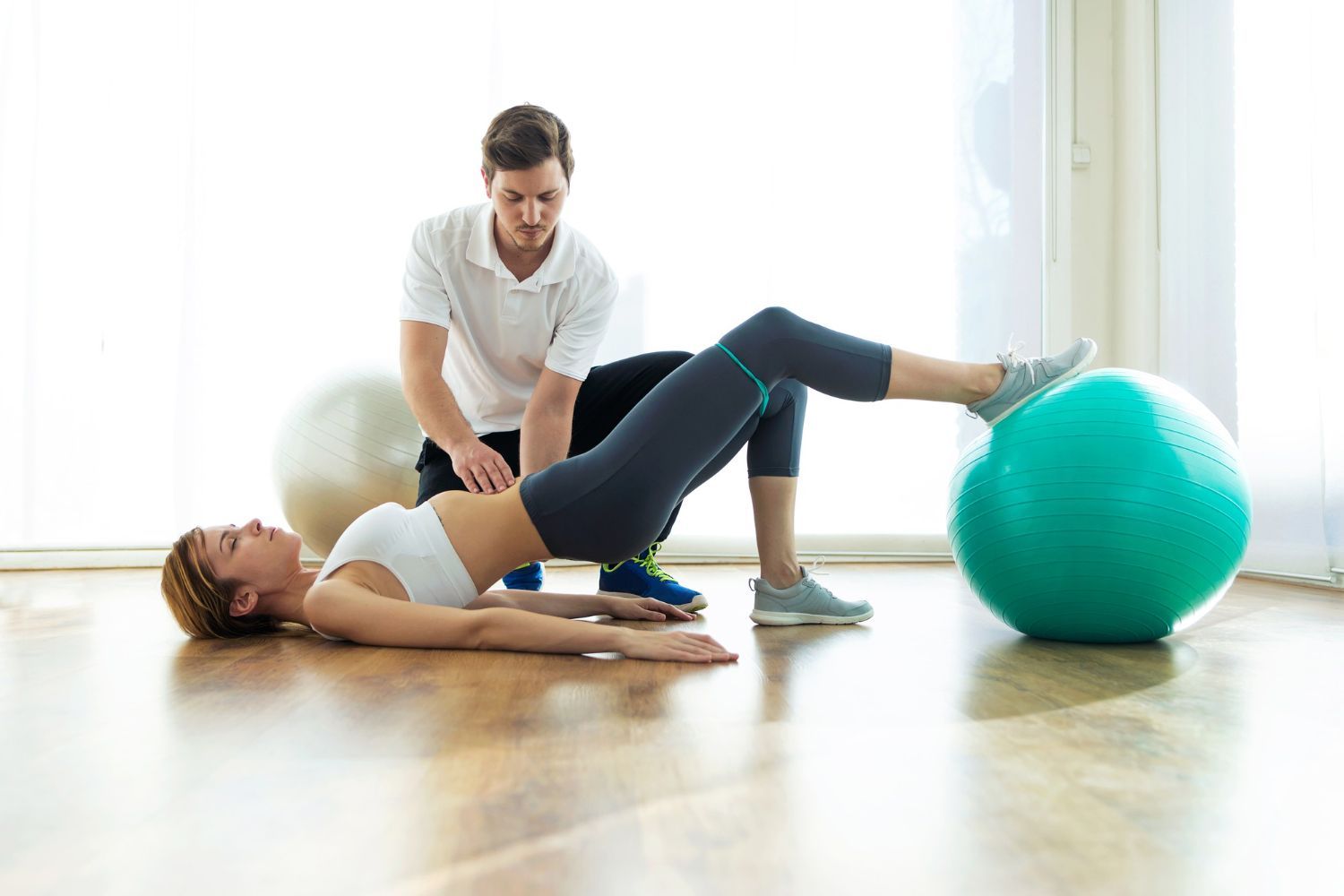
Woman doing exercise with ball, assisted by therapist in a clinic.
December 23, 2025
Beat winter inactivity! Get home exercise tips from Pembina Physiotherapy’s expert therapists.
Woman adjusting shoulder of man with kinesiology tape; clinic.
December 17, 2025
Stay active and injury-free with winter sports safety advice from Pembina Physiotherapy’s expert team.
Woman helps an elderly woman with arm exercise, indoor setting.
December 9, 2025
Learn how manual therapy improves mobility, balance, and confidence for seniors during icy winter days.
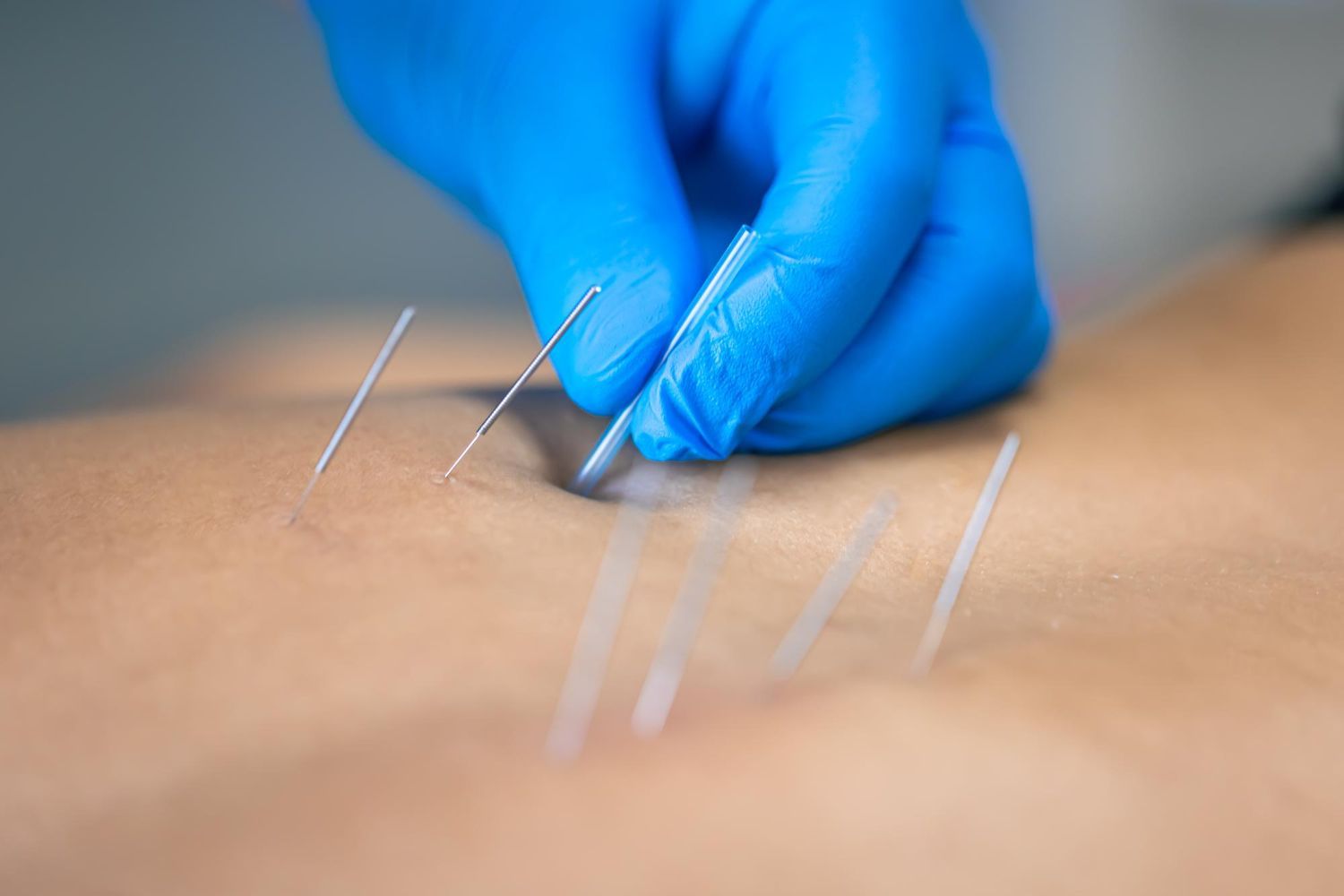
Person in blue gloves inserting acupuncture needles into skin.
December 3, 2025
Understand both techniques used within physiotherapy care. See when each helps tight necks, backs and calves after skating or shoveling. Safe, evidence-informed.
Podiatrist holding a blue insole next to a patient's foot. Pink gloves and white medical uniform in a clinic.
November 25, 2025
Discover how custom orthotics can protect your feet from winter conditions and support your daily activities.
Woman with curly hair, holding her head, sitting on a gray sofa indoors; looks distressed.
November 19, 2025
Get expert tips on managing winter dizziness and vertigo with vestibular physiotherapy care.