Cupping Therapy for Cold Months: Warming Relief for Tight Muscles
Pembina Physiotherapy & Sports Injury Clinic • January 13, 2026
As temperatures dip and winter takes hold across Winnipeg, many people notice an increase in muscle tightness, aches, and lingering tension. The cold weather often leads to less outdoor activity, more time spent sitting, and a natural tendency to hunch or tense up for warmth. At Pembina Physiotherapy & Sports Injury Clinic, we believe that cupping therapy is an ideal, drug-free solution for warming relief and muscle relaxation throughout the coldest months. Let’s explore how cupping therapy can address your seasonal discomfort and why it’s gaining popularity among locals seeking lasting pain relief.
Why Do Muscles Feel Tighter in Cold Weather?
During winter, the body responds to chilly temperatures by tightening muscles to preserve warmth. This involuntary tension, especially in the shoulders, neck, and back, can lead to stiffness, aches, and even headaches. Fewer daylight hours and icy sidewalks also mean people exercise less and stay indoors more, further reducing circulation and flexibility. If you’re dealing with an old injury, chronic pain, or spend long hours behind a desk, you might find these symptoms are even worse when it’s cold. Over time, untreated tightness can impact your posture, energy level, and overall well-being.
What is Cupping Therapy?
Cupping therapy is a traditional healing method now embraced by modern healthcare providers, including our experienced team at Pembina Physiotherapy & Sports Injury Clinic. It involves placing specialized cups on the skin to create gentle suction. This process increases blood flow, loosens muscle knots, and encourages the body’s natural healing process. The sensation is often described as relaxing and soothing, making it an excellent option for those seeking both relief and relaxation.
How Cupping Therapy Provides Warmth and Relief
The warming relief of cupping therapy comes from the increased blood flow to treated areas. This influx of warm, oxygen-rich blood helps flush out toxins, reduce inflammation, and accelerate recovery. As tight muscles begin to release, you may also notice immediate improvements in flexibility and range of motion. Many clients say that after a session, their muscles feel looser and they experience a comforting warmth that lasts for hours, even in the coldest weather.
Cupping can be particularly effective for:
- Stubborn tension in the neck, back, and shoulders
- Soreness from winter sports or shoveling
- Stiffness and aches from a sedentary lifestyle
- Muscle recovery following exercise or injury
Benefits of Cupping Therapy During the Cold Months
1. Deep Muscle Relaxation
Cupping helps break up stubborn knotted tissue that is common during winter. It’s a powerful complement for those who work at a desk, drive for long hours, or suffer from repetitive strain.
2. Improved Circulation
The suction effect of cupping increases blood circulation right where you need it most. Enhanced circulation means more warmth, faster healing, and reduced pain.
3. Natural Pain Relief
Cupping is a drug-free alternative for managing pain, making it a safe choice for people who want to avoid medication or who find standard painkillers less effective in colder months.
4. Stress Reduction and Mental Clarity
Winter can bring about seasonal stress or “winter blues,” especially after the holidays. The calming effects of cupping therapy extend beyond physical relief, helping you feel more relaxed and mentally refreshed.
5. Enhanced Immune Support
By promoting better blood and lymphatic flow, cupping therapy may also help your immune system function optimally—important when colds and flu are more common.
What to Expect During a Cupping Session
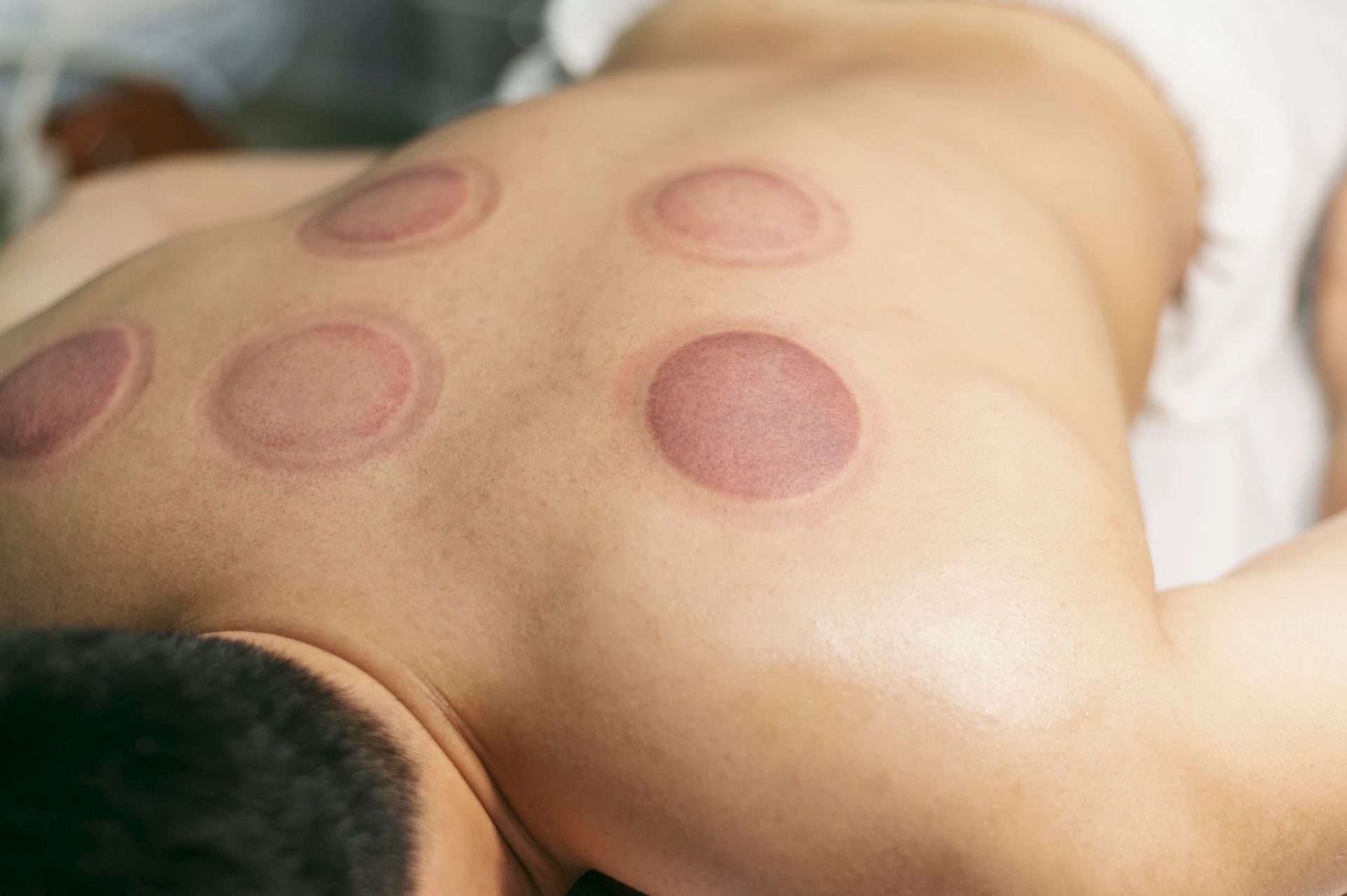
At Pembina Physiotherapy & Sports Injury Clinic, each cupping session is tailored to your comfort and needs. Your therapist will discuss your goals and target problem areas. Suction cups are gently applied to the skin and left for a short period or moved along muscle paths to provide a massage-like effect. Most people feel immediate warmth and relaxation. Any redness or light marks that appear will fade within days and are a sign of increased blood flow.
Our therapists are trained to combine cupping with other physiotherapy services such as manual therapy or massage for even greater benefits during your visit.
Who Can Benefit from Cupping Therapy?
Cupping therapy is suitable for most adults, especially those experiencing winter-induced muscle soreness, athletes recovering from sports activities, or anyone seeking relief from chronic muscle tension. If you have specific health conditions, our professionals will work with you to ensure cupping is a safe and beneficial choice.
Find Warmth and Relief This Winter—Book Your Cupping Therapy Session Today
Don’t let winter aches and muscle tightness slow you down. At Pembina Physiotherapy & Sports Injury Clinic, we’re committed to helping you stay active, comfortable, and pain-free, no matter how cold it gets outside. Experience the soothing, warming benefits of cupping therapy and rediscover your flexibility and energy.
Ready to loosen up and warm your muscles? Call Pembina Physiotherapy & Sports Injury Clinic or book your cupping therapy session online today. Let us help you feel your best all winter long!
Share This Blog