Taping Techniques in Physiotherapy: Supporting Injuries & Preventing Strain
Pembina Physiotherapy & Sports Injury Clinic • February 24, 2026
As winter continues in Winnipeg, many residents are lacing up skates, hitting local gyms, or returning to seasonal activities that can put strain on muscles and joints. Whether you’re an athlete or just keen to stay active through the chilly months, prevention and proactive care are key to avoiding injuries. Pembina Physiotherapy & Sports Injury Clinic proudly offers expert taping techniques, an essential service for supporting healing, providing stability, and preventing further strain.
Why Taping Matters in Modern Physiotherapy
Taping, when applied by trained physiotherapists, isn’t just for professional athletes. It’s a scientifically-backed approach to supporting muscles, joints, and ligaments both during recovery and as a preventive measure. At Pembina Physiotherapy, our therapists use taping as a critical part of injury management and to empower clients returning to their regular routines after an injury.
Understanding the Different Taping Techniques We Offer
Our clinic utilizes a range of taping methods, each tailored to your specific injury or activity needs:
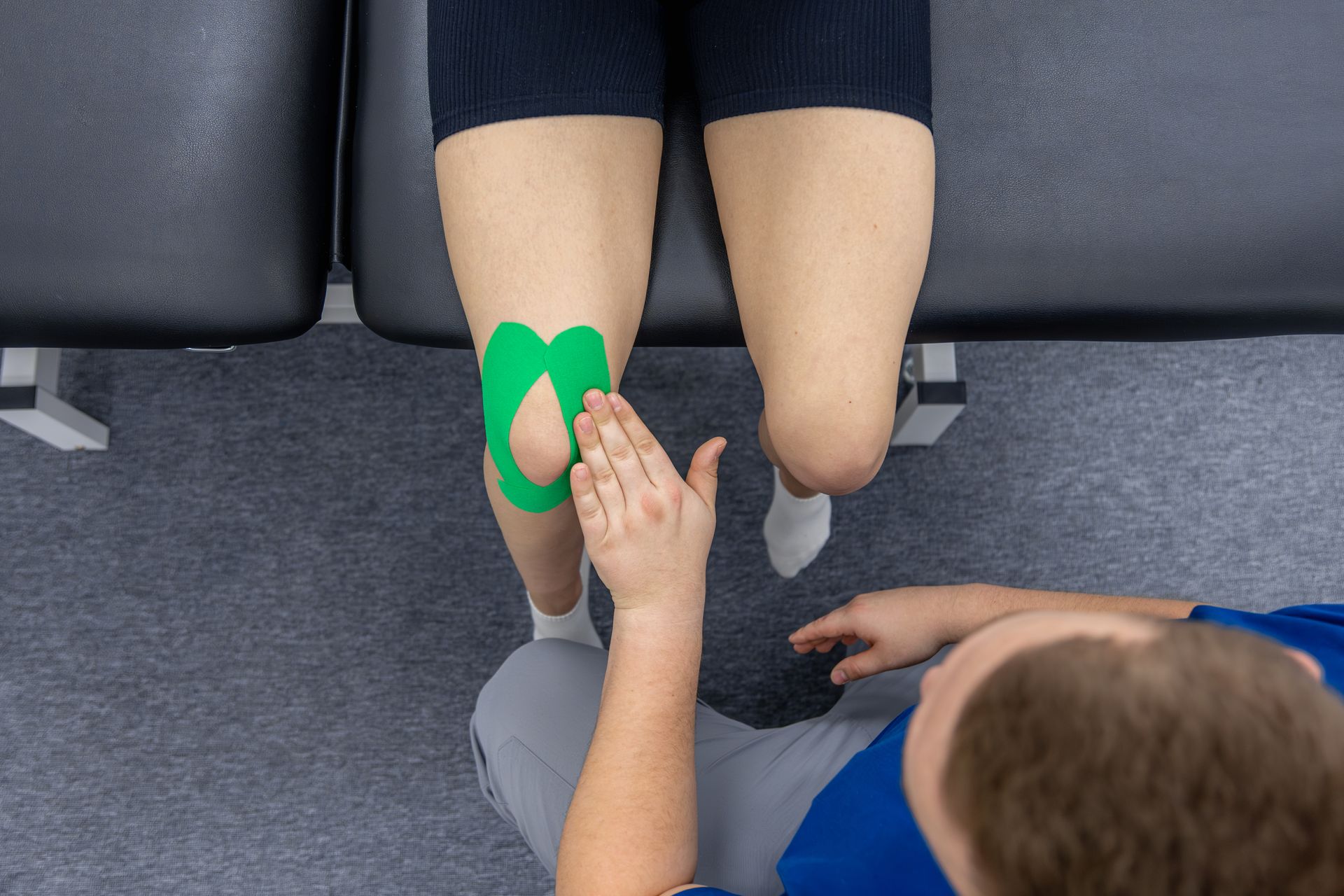
- Kinesiology Taping: Flexible, hypoallergenic tape designed to enhance mobility while supporting injured tissue and reducing pain and inflammation.
- Rigid (Sports) Taping: Provides strong support and restriction for unstable joints, commonly used for acute injuries or high-impact sports activities.
- Supportive Taping: Used to offload stressed tendons or ligaments, ideal for overuse injuries or when returning from a period of rest.
The chosen taping technique is determined after a thorough assessment by a Pembina physiotherapist, ensuring it is the right fit for your condition and Winnipeg’s activity demands.
Winter Activities and the Need for Targeted Support
With icy sidewalks and sports like hockey, ringette, and curling in full swing across Manitoba, taping plays a valuable role. Common areas we support through taping include:
- Ankles: Preventing sprains and supporting healing for those slipping on ice
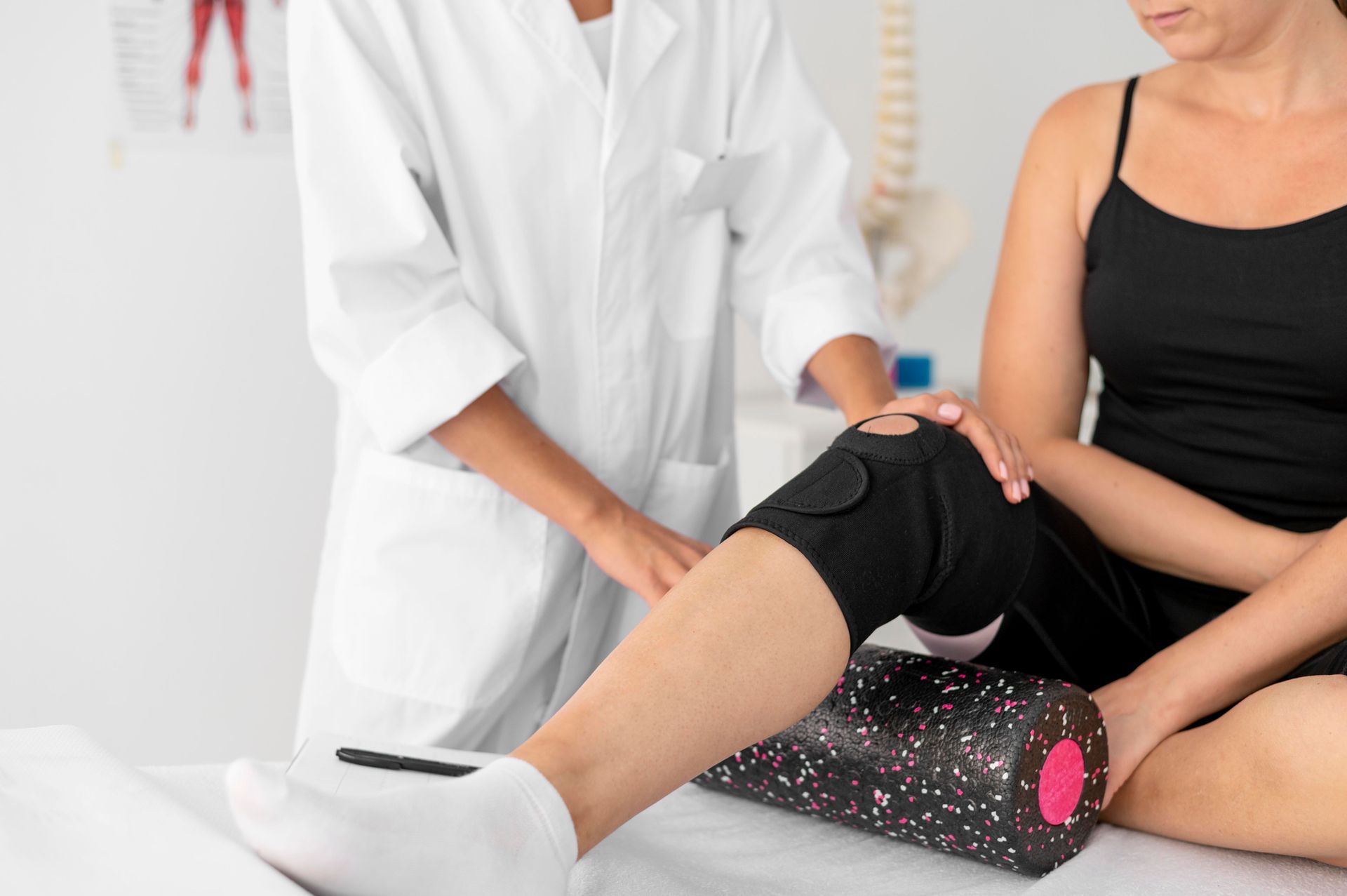
- Knees: Stabilizing ligaments during winter and spring sports
- Wrists: Providing protection for falls or repetitive strain injuries
- Shoulders & Backs: Reducing strain during snow shoveling or gym workouts
Top Benefits of Physiotherapy Taping for Winnipeg Clients
If you’re wondering, “Is taping effective in preventing injuries?” Here’s why clients trust Pembina Physiotherapy’s taping services:
- Reduces pain by improving joint alignment and decreasing pressure on injured areas
- Supports healing by limiting excessive movement without impeding normal activity
- Provides feedback to help you maintain proper posture or movement
- Allows early and safe return to sports or work
How Taping Fits Into Your Comprehensive Treatment Plan
While taping is a valuable tool on its own, its true power is realized when integrated with a physiotherapy program. At Pembina Physiotherapy, your treatment pathway for injury or strain may also include:
- Manual therapy: Hands-on mobilizations to improve joint and tissue function
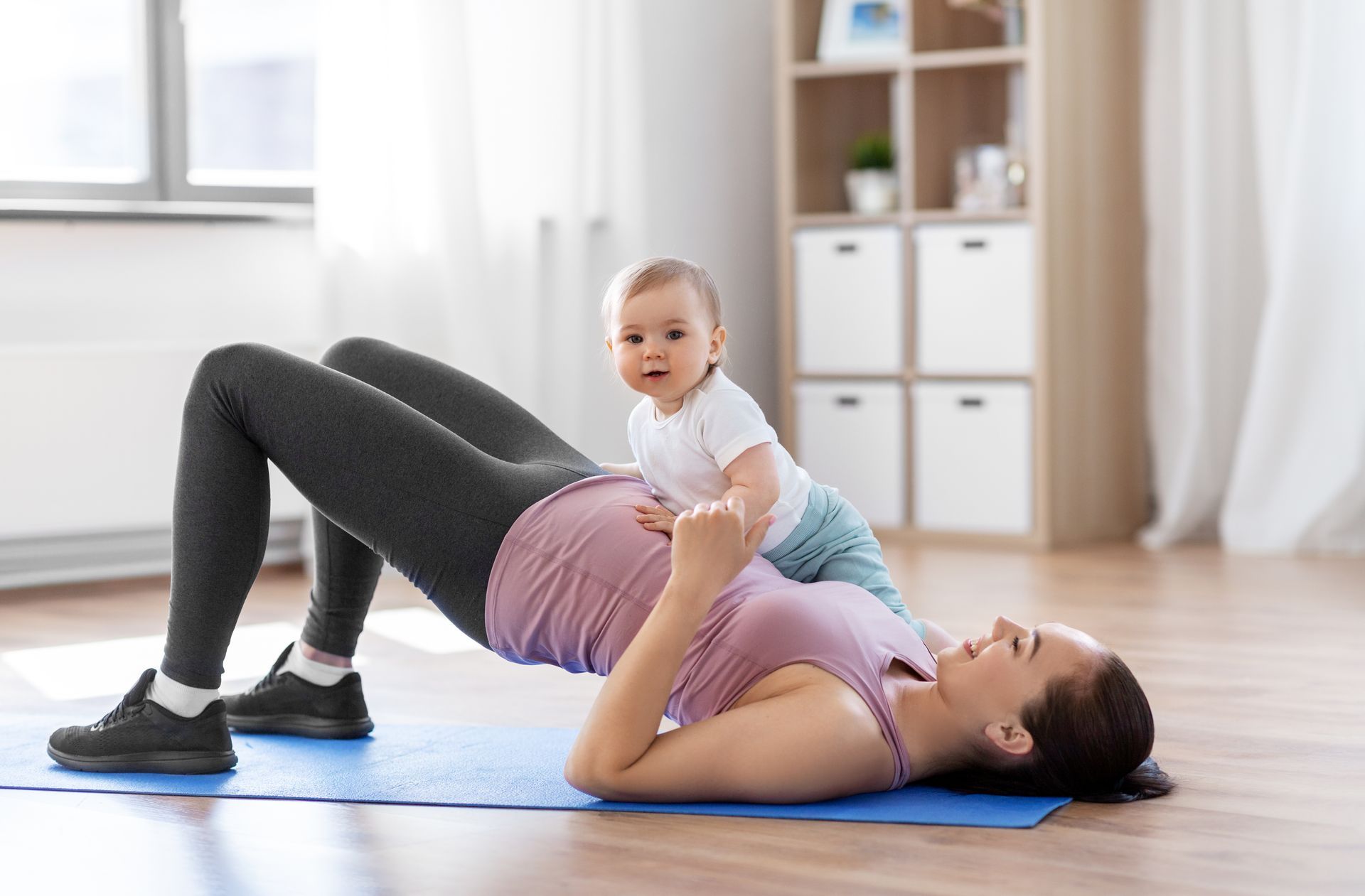
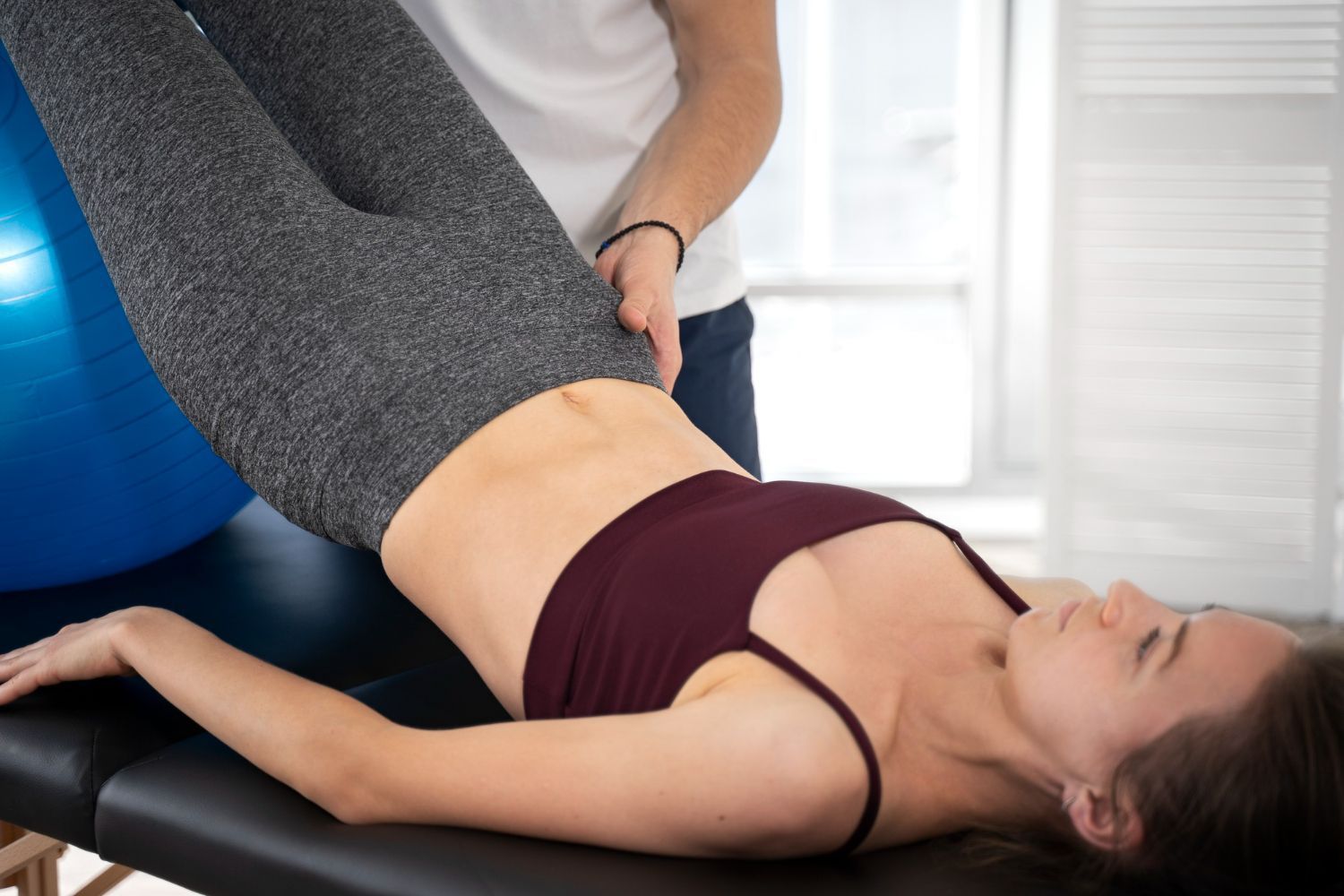
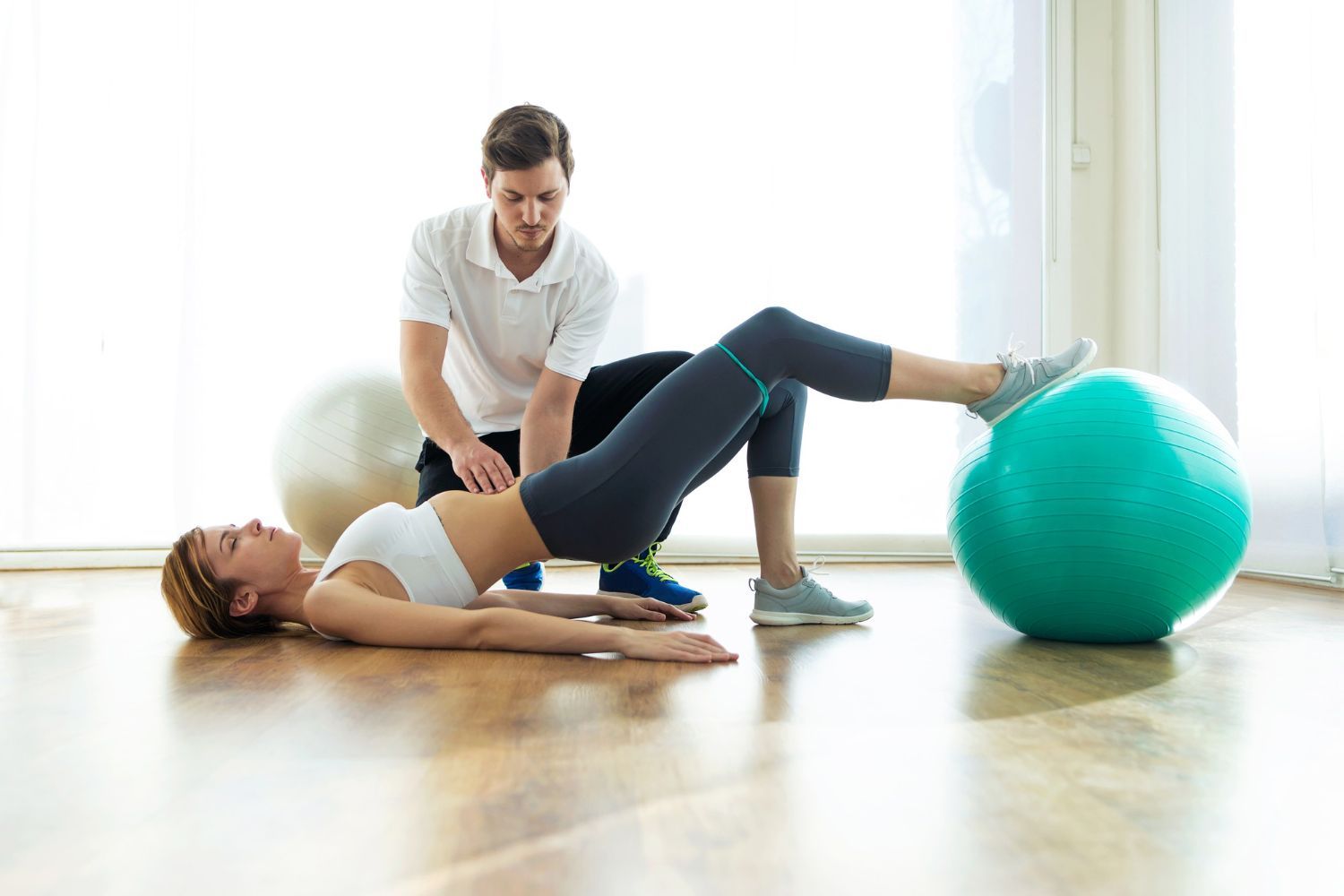
- Exercise therapy: Strengthening and stretching exercises tailored to your needs and seasonal activity
- Education: Guidance on movement, posture, and home care for sustained results
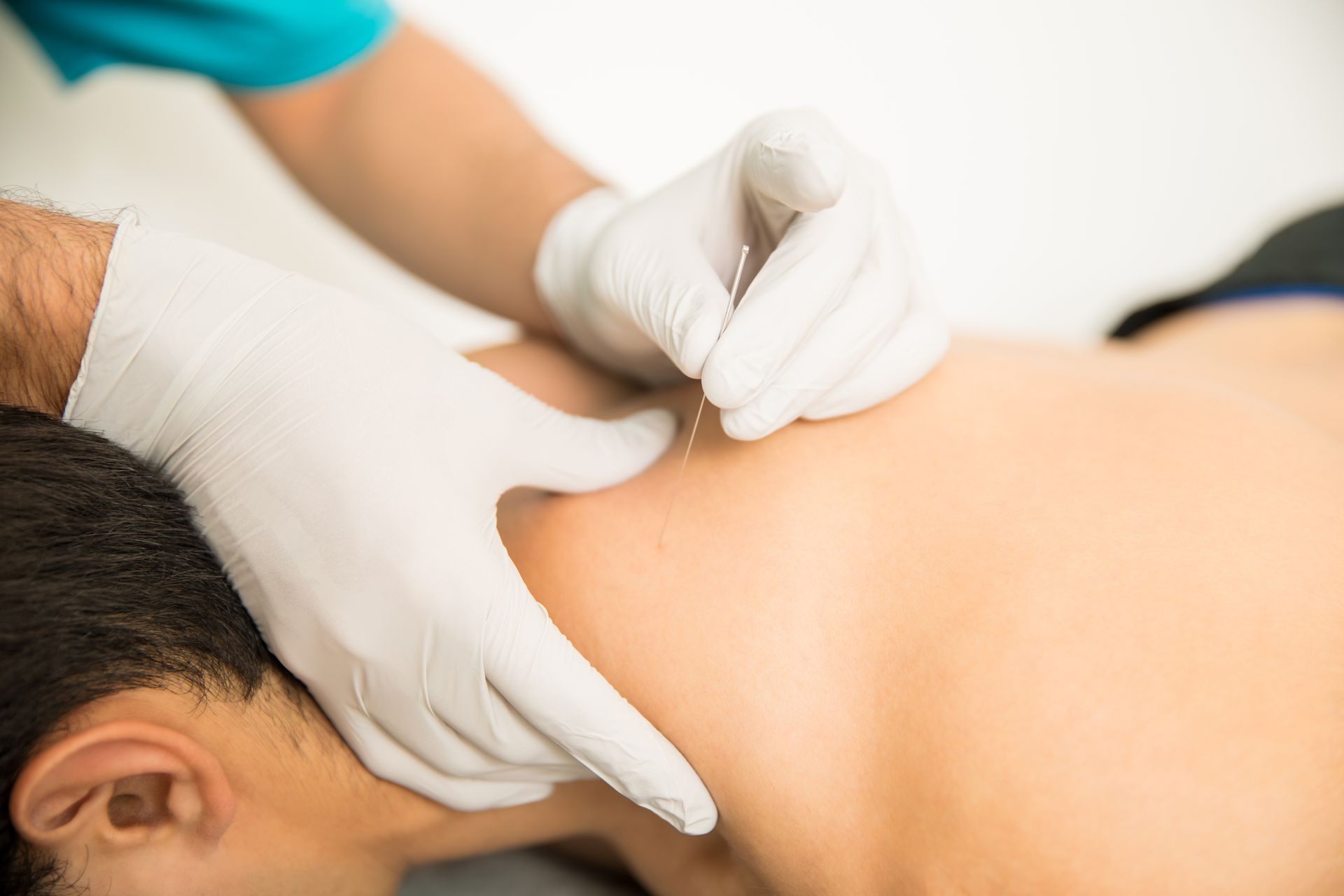
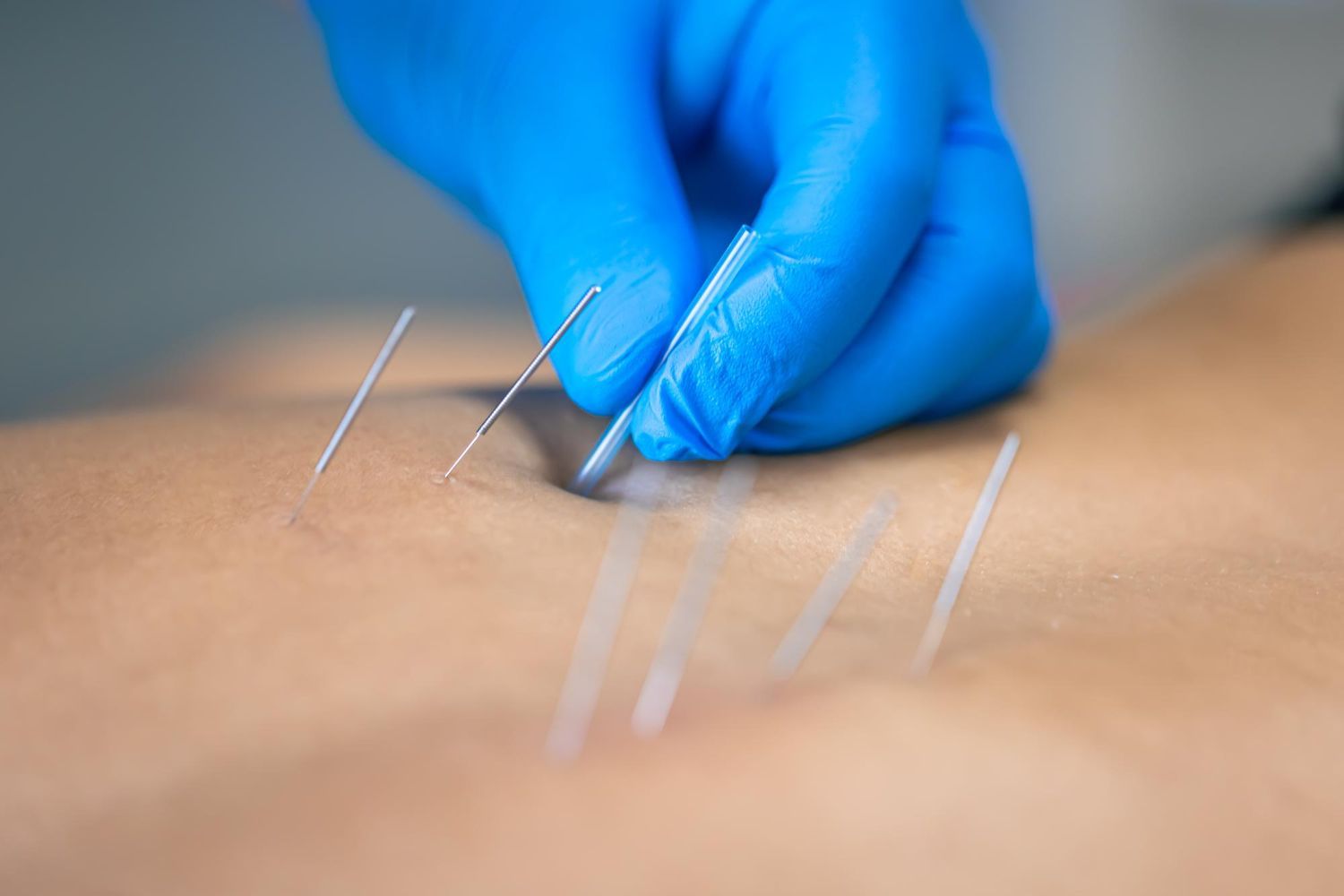
- Other modalities: As needed, such as cupping, dry needling (as adjuncts), or massage for comprehensive care
When Is Physiotherapy Taping Recommended?
Your physiotherapist may recommend taping for:
- Acute sprains or ligament injuries
- Chronic overuse conditions, such as tendinitis
- Early return to sport following an injury
- Postural correction for repetitive workplace tasks
- Preventing re-injury during high-demand seasonal sports
PAA Spotlight: How Long Should Taping Stay On?
A frequent question asked by our Winnipeg clients is, “How long should taping remain in place after an injury?” Typically, tape should be kept on for 2-5 days, depending on the taping method and skin sensitivity. Your Pembina physiotherapist will teach you how to safely monitor and remove tape, and advise on reapplication if longer support is needed.
Why Choose Pembina for Physiotherapy Taping in Winnipeg?
With advanced training and experience in both the science and art of taping, our team ensures every application is customized and effective. We use only high-quality materials and always explain why a particular technique is chosen, empowering you to feel confident and supported during recovery.
Take Proactive Steps Towards an Active, Injury-Free Season
February in Winnipeg can be tough on the body, but with professional physiotherapy taping and integrated care from Pembina Physiotherapy & Sports Injury Clinic, you can stay moving in comfort and confidence. Book an assessment today to learn how our taping services can support your active winter and prevent injury, so you never have to miss a season on the ice or trails. Your journey to safer, stronger movement starts with us.
Share This Blog