Winter Sports Safety: Preventing Common Injuries on Ice and Snow

Winter in Winnipeg transforms the city into a playground for outdoor enthusiasts. From hockey and figure skating to skiing, snowboarding, and even recreational tobogganing, Manitobans love to stay active all season long. However, winter sports come with added risks—icy surfaces, unpredictable weather, and cold muscles can all increase the chance of accidents. At Pembina Physiotherapy & Sports Injury Clinic, we want you to enjoy the winter safely. Read on to learn how to prevent common injuries on ice and snow and what to do if you get hurt.


Understanding Common Winter Sports Injuries


Winter sports injuries are often the result of slips, falls, or collisions, and can impact anyone—from beginners to seasoned athletes. Some of the most common winter injuries treated at our Winnipeg clinic include:


  • Sprains and strains: Twisting a knee or ankle on the ice, or overstretching a muscle during a fall, can lead to painful sprains and strains.
  • Fractures: Wrists, arms, and collarbones are frequently fractured in falls on hard ice or packed snow.
  • Dislocations: Shoulder and knee dislocations often occur during awkward landings or high-impact crashes.
  • Concussions: Sports like hockey and snowboarding carry a higher risk of head injuries, especially if safety gear is not used.
  • Soft tissue injuries: Bruises, pulled muscles, and ligament tears are also common in winter activity mishaps.


Top Tips for Winter Sports Injury Prevention


Preparation and awareness are key to staying safe while enjoying Winnipeg’s winter sports scene. Here’s how you can reduce your risk of getting hurt:


  • Warm up before activity: Cold muscles are less flexible and more prone to injury. Spend at least 10 minutes warming up with dynamic stretches or light aerobic activity before stepping onto the ice or into the snow.


  • Use proper equipment: Always wear sport-specific protective gear, including helmets, wrist guards, knee pads, and properly fitted skates or boots. Check that all equipment is in good condition before each use.


  • Don’t skip the helmet: For skating, skiing, snowboarding, or tobogganing, a certified helmet is essential for protecting against head injuries or concussions.


  • Pay attention to weather and surface conditions: Ice and snow can change quickly in Winnipeg. Watch for thin ice, hidden obstacles, or icy patches, and avoid participating in poor visibility or extremely cold weather.


  • Stay hydrated: Cold weather can mask signs of dehydration. Drink water before, during, and after sports to keep your muscles functioning at their best.


  • Know your limits: Avoid pushing your body past its comfort level or skill set. Take lessons if you’re new to an activity, and pace yourself to prevent fatigue-related accidents.


  • Use the buddy system: Participate in winter sports with a friend or group. In case of a fall or injury, you’ll have help nearby.


  • Listen to your body: At the first sign of pain or discomfort, stop. Ignoring early soreness can turn small problems into major injuries.


How Pembina Physiotherapy & Sports Injury Clinic Supports Your Recovery


Despite your best efforts, accidents can happen. If you experience a winter sports injury, early intervention is key to a fast and full recovery. At Pembina Physiotherapy & Sports Injury Clinic, our team of experienced physiotherapists and massage therapists offer:


  • Comprehensive injury assessment: We get to the root cause of your pain and create a personalized treatment plan.


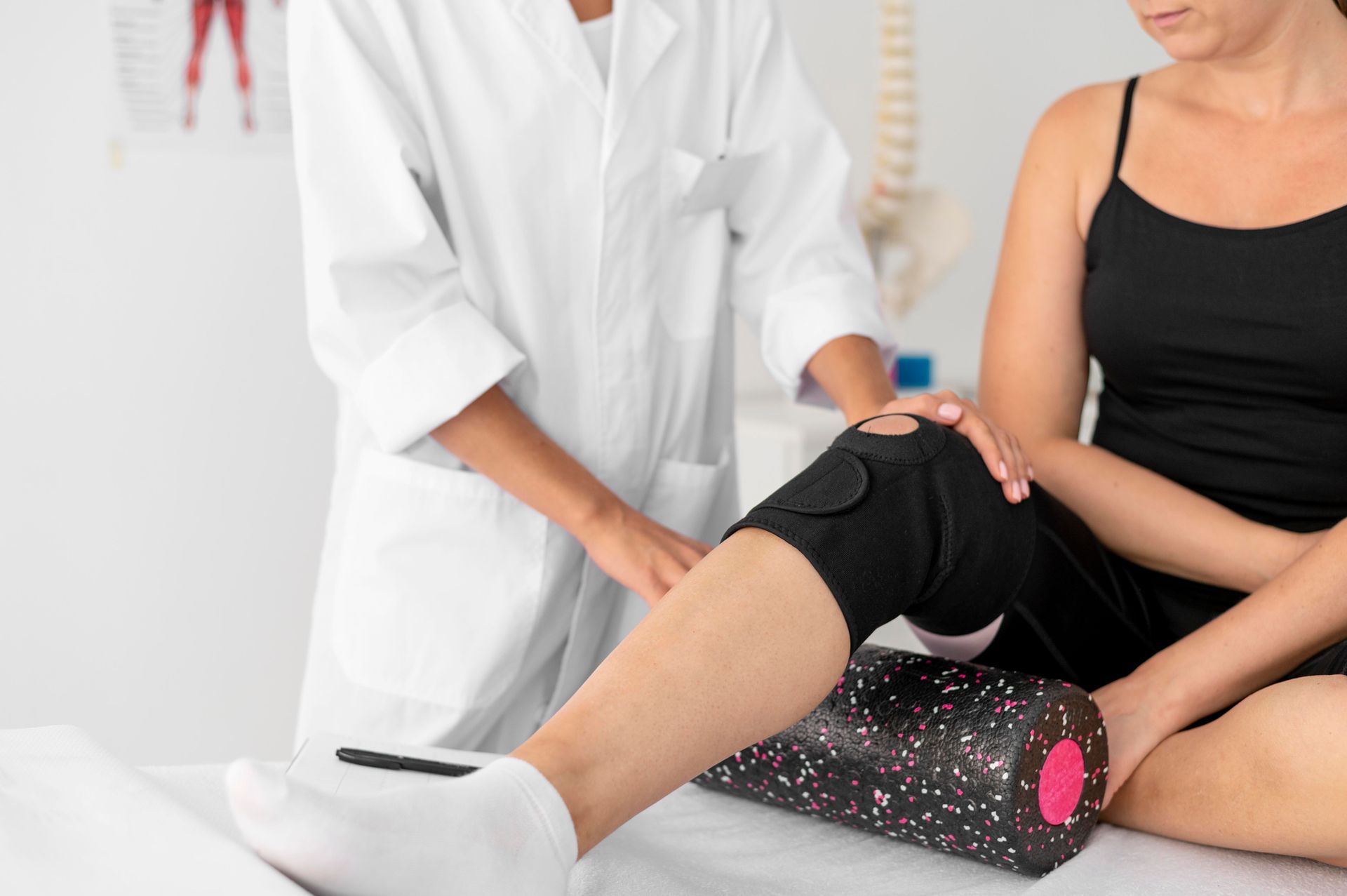
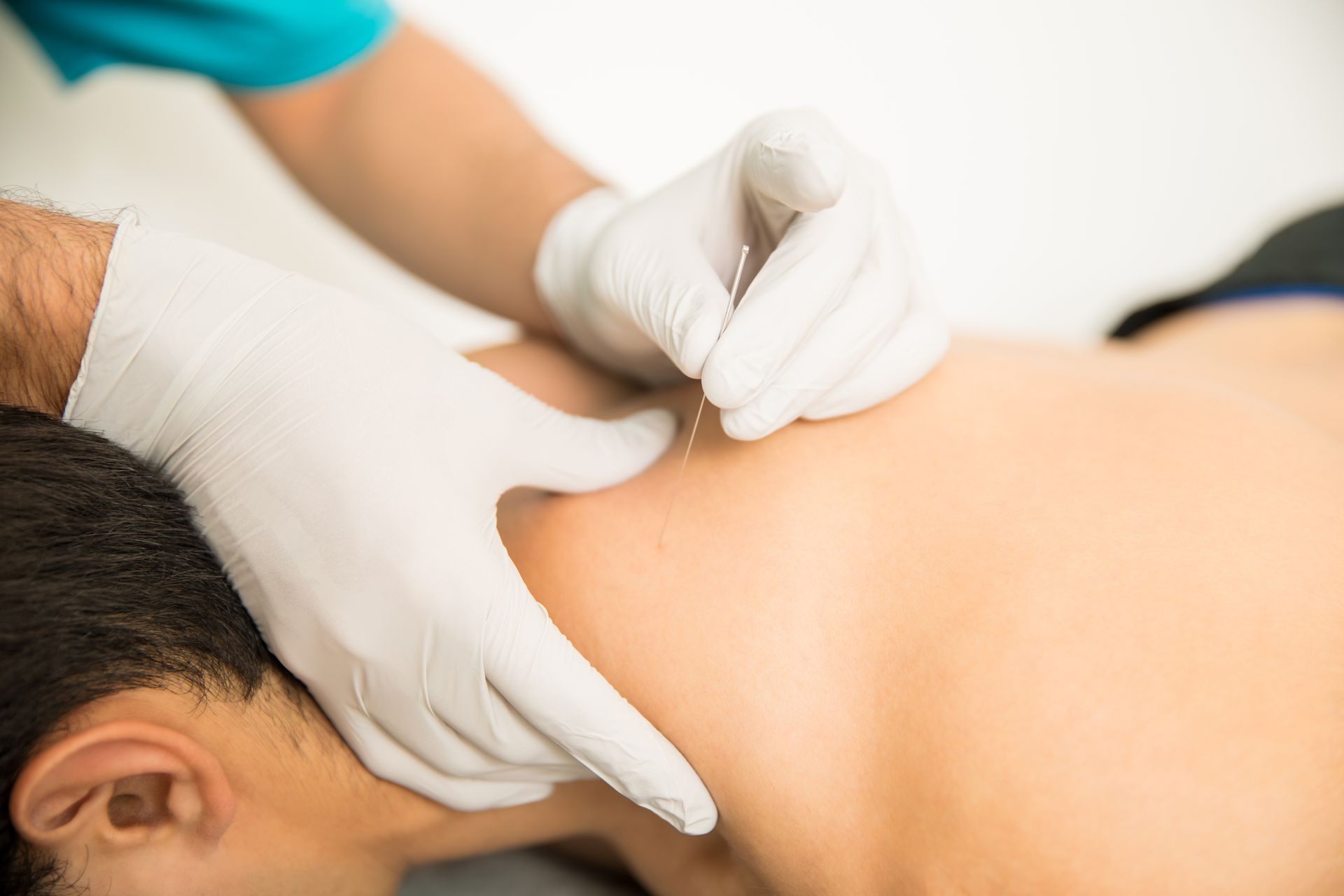
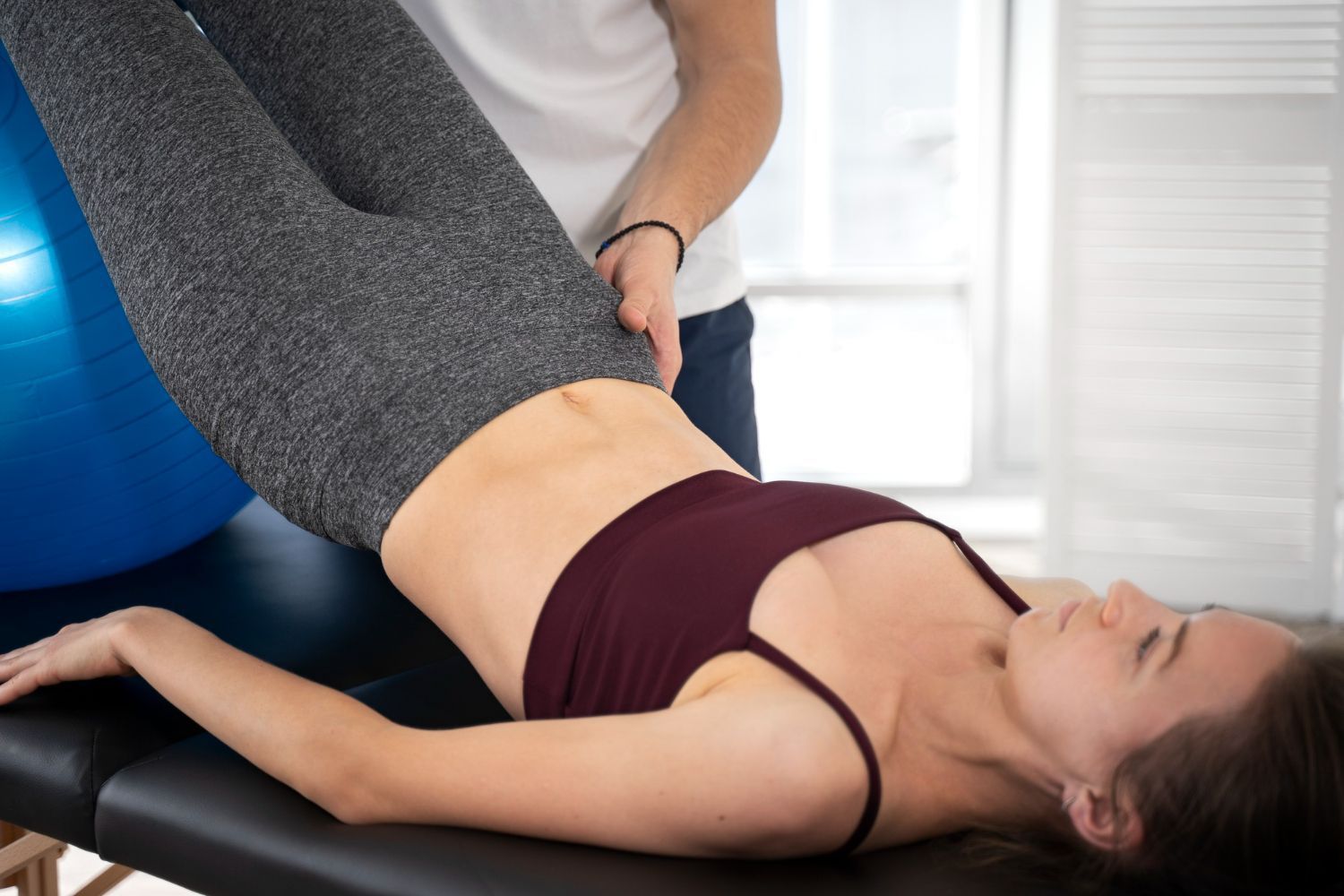
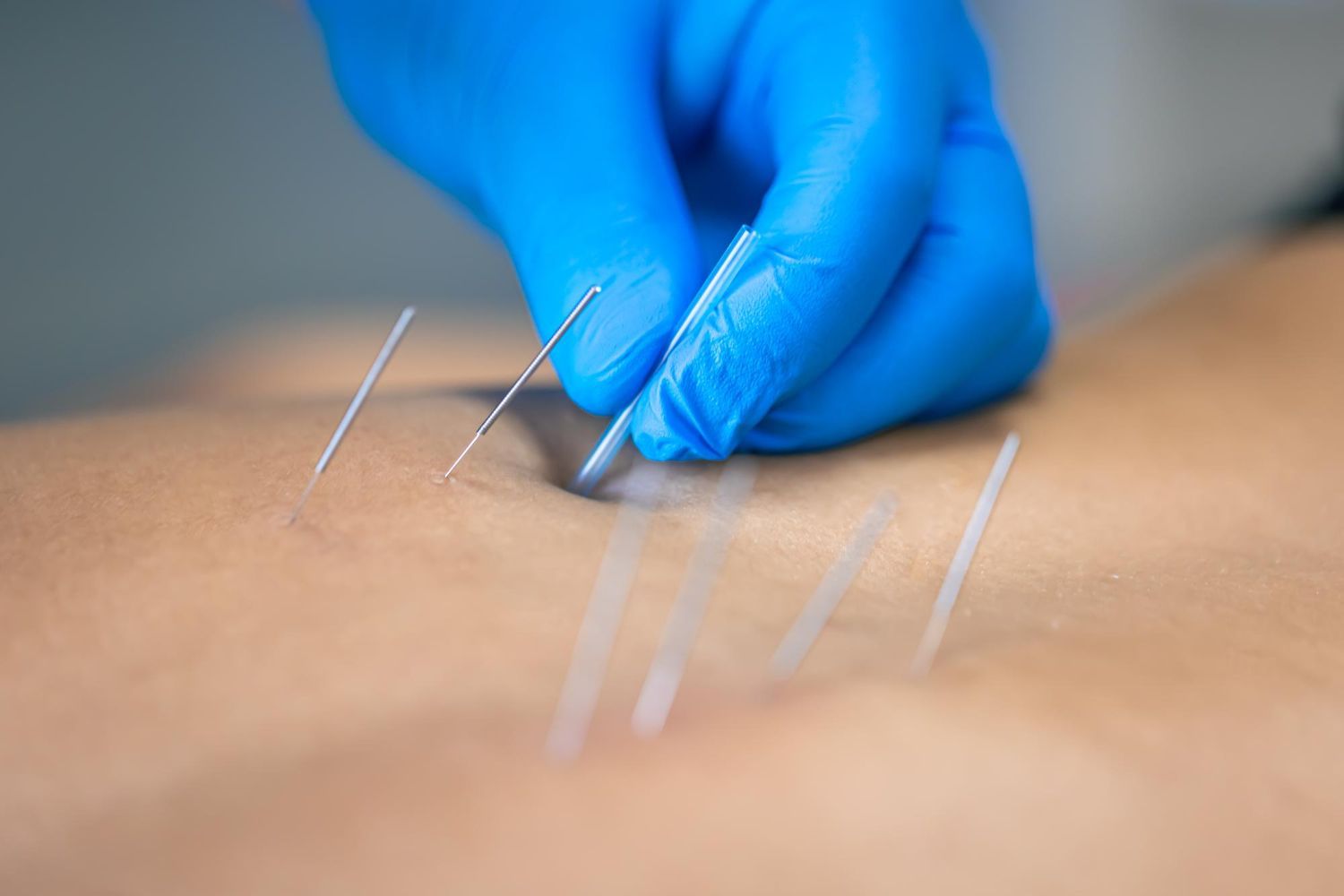
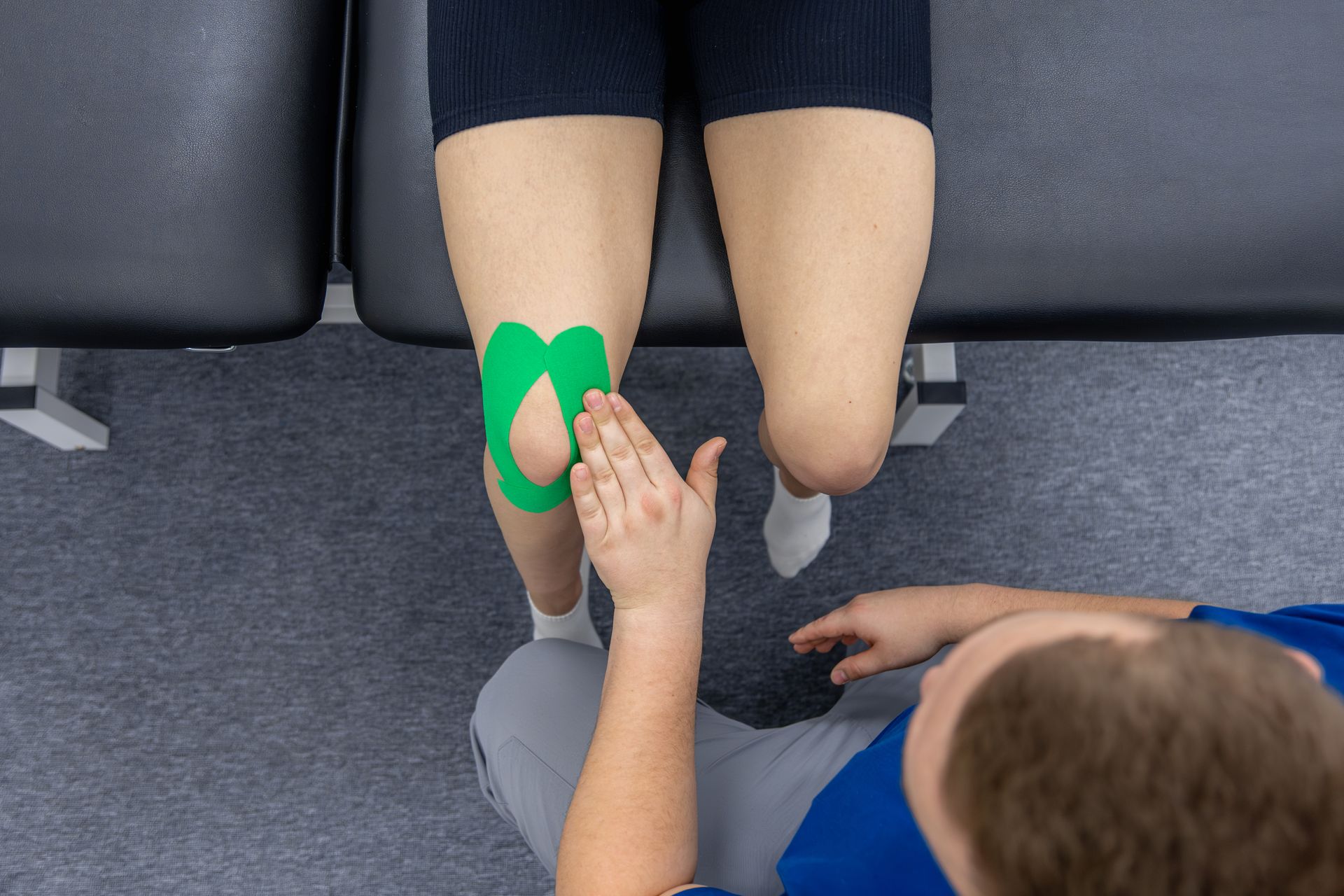
  • Evidence-based rehabilitation: From manual therapy and targeted exercises to modalities like dry needling and therapeutic taping, our clinic uses proven techniques to speed up recovery.


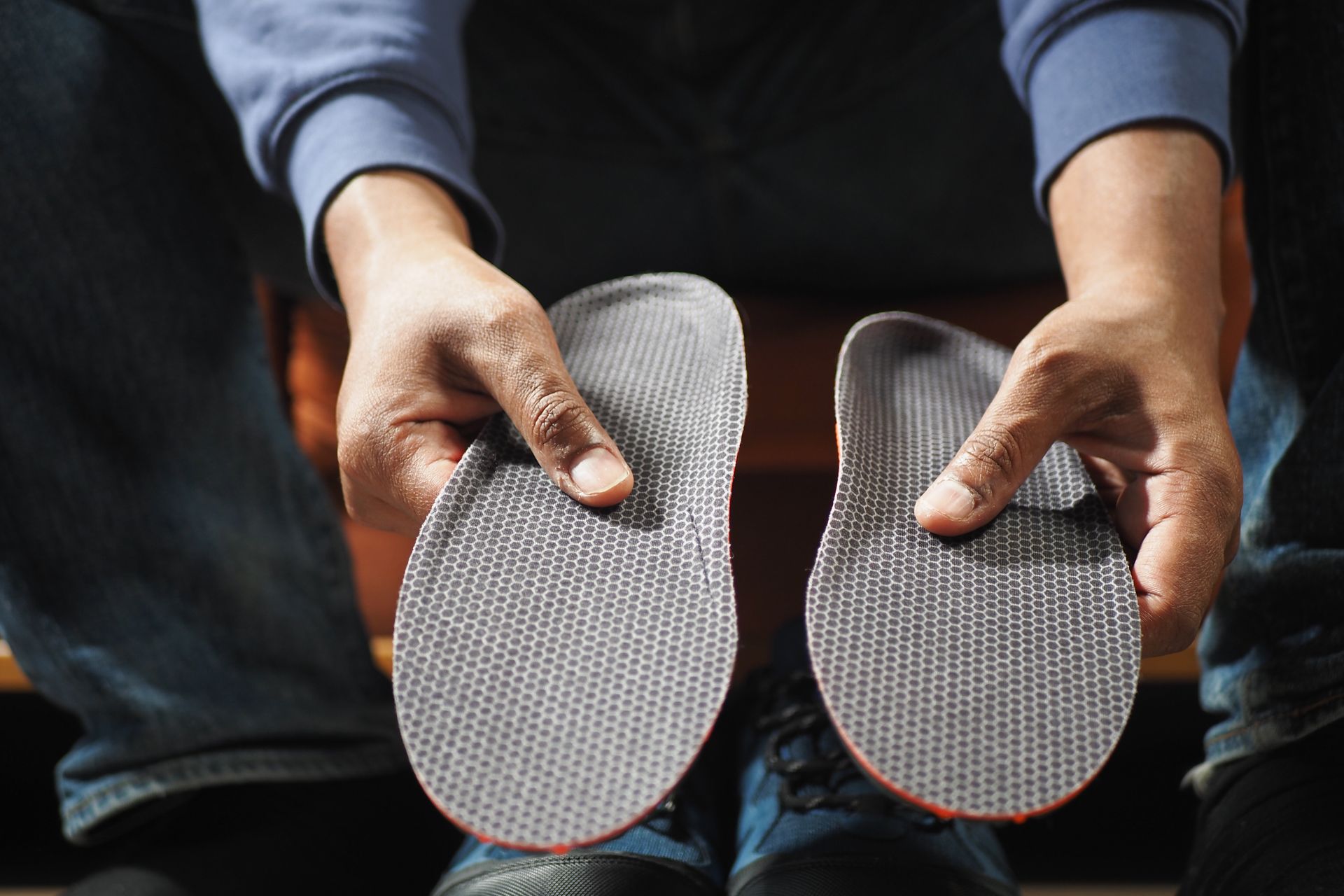
  • Custom orthotics and support: We provide orthotics and bracing solutions to stabilize injuries and help you return to activity safely.


  • Education and prevention: We’ll show you how to modify activities, perform strengthening exercises, and implement effective warm-up and cooldown routines to avoid re-injury.


  • Direct billing and flexible appointments: We make it easy to start your recovery with minimal hassle, offering direct billing to many insurance providers and convenient online booking.


Stay Active and Injury-Free This Winter


Winter sports are a fantastic way to stay fit and have fun in Winnipeg. With the right preparation and safety measures, you can minimize injury risk and make the most of Manitoba’s snowy landscapes. If an injury does occur, don’t wait—prompt physiotherapy can speed up healing and get you back to your favorite activities sooner.


If you or a loved one need expert care for a sports injury, or want personalized advice for winter sports safety, Pembina Physiotherapy & Sports Injury Clinic is here to help. Call us today, book an appointment online, or visit our Pembina Highway clinic to start your path to safe, active, and pain-free winter adventures.

Share This Blog
Man assisting a young girl doing physical therapy on a mat. Blue balls and wall bars in the background.
January 27, 2026
Learn how pediatric physiotherapy addresses developmental delays, torticollis, and healthy growth in young children.
Physical therapist examining a patient's knee. Pink shirt, light room, gray exercise ball.
January 21, 2026
Find out why personalized one-on-one rehab is key to faster, safer recovery after joint replacement.
Person receiving cupping therapy on their back with three glass cups attached, and a hand holding a fourth.
January 13, 2026
Explore how cupping therapy at Pembina can ease winter muscle tightness and improve mobility.
January 7, 2026
A new year brings new beginnings—and for many in Winnipeg, it also marks a fresh start on the road to recovery after surgery. Whether you’ve had a joint replacement, sports injury repair, or any other surgical procedure, this is the perfect time to set realistic rehabilitation goals to regain your strength, mobility, and independence. At Pembina Physiotherapy & Sports Injury Clinic , we’re here to guide you through every step of your recovery journey, helping you make 2026 your healthiest year yet. Why Post-Surgical Rehab Matters After surgery, your body needs time, targeted movement, and professional care to heal properly. Post-surgical physiotherapy is critical for restoring muscle strength, improving joint mobility, and preventing complications such as stiffness or re-injury. Without a clear plan and expert guidance, it’s easy to lose motivation or push too hard, risking setbacks. That’s why setting achievable goals and working closely with a skilled physiotherapist can make all the difference. At Pembina Physiotherapy & Sports Injury Clinic, our team creates personalized, evidence-based rehabilitation plans designed to help you safely meet your milestones. Setting SMART Rehab Goals: A Framework for Success The most successful recovery plans use SMART goals—Specific, Measurable, Achievable, Relevant, and Time-bound. Rather than vague aspirations like “get better soon,” SMART goals give you a clear path to follow and make it easier to track your progress. For example: Specific: “I want to walk unaided for 10 minutes.” Measurable: “I will record my walking time each week.” Achievable: “Based on my progress, this is within reach this month.” Relevant: “This supports my independence and daily routine.” Time-bound: “I aim to achieve this by the end of January.” Your Pembina physiotherapist will help you break down your overall recovery into manageable steps, ensuring you stay motivated and celebrate each success along the way. Top Tips for Setting and Achieving Post-Surgical Rehab Goals 1. Know Your Baseline At your first post-surgical assessment, your physiotherapist will evaluate your current function, strength, and range of motion. Understanding your starting point is key for setting appropriate goals and tracking improvement. 2. Focus on What Matters Most to You Whether you want to get back to hiking the Winnipeg trails, playing with your grandchildren, or simply walking pain-free, let your therapist know what activities matter most. Personal goals are more motivating and make your rehab program feel truly relevant. 3. Pace Yourself Recovery takes time. Trying to rush the process can lead to setbacks or injury. Your physiotherapist will guide you through each stage at a pace that’s safe and effective for your body. 4. Stay Consistent with Home Exercises In-clinic treatments are important, but your effort at home will accelerate your progress. Follow your therapist’s instructions carefully, and communicate if you have difficulty with any exercises. Consistency is key! 5. Celebrate Small Wins Recovery is a journey, not a sprint. Take time to recognize every bit of progress, whether it’s increased flexibility, decreased pain, or regaining independence with daily tasks. Positive reinforcement keeps you motivated. How Pembina Physiotherapy & Sports Injury Clinic Supports Your Recovery At Pembina Physiotherapy & Sports Injury Clinic, we offer: Individualized post-surgical assessments to design your unique recovery plan Hands-on manual therapy, exercise prescription, and education to build strength and function Guidance for safe return to daily activities, work, and recreation Direct billing to many insurance providers for hassle-free service We work with you to overcome obstacles, adjust goals as needed, and provide ongoing encouragement. Our team uses the latest research and advanced techniques to ensure you receive the highest standard of care, right here in Winnipeg. Start Your New Year Strong: Book Your Post-Surgical Rehab Assessment Today As you set your intentions for the year ahead, prioritize your health and recovery. With the right support and clear, achievable goals, you can return to the activities and lifestyle you love. Pembina Physiotherapy & Sports Injury Clinic is proud to be Winnipeg’s trusted partner in post-surgical rehabilitation. Don’t wait to take the first step toward a stronger, more active you. Call us today or book your assessment online at www.pembinaphysiotherapy.com . Let’s make 2026 the year you reclaim your strength, confidence, and independence—one milestone at a time.
Woman doing exercise with ball, assisted by therapist in a clinic.
December 23, 2025
Beat winter inactivity! Get home exercise tips from Pembina Physiotherapy’s expert therapists.
Woman helps an elderly woman with arm exercise, indoor setting.
December 9, 2025
Learn how manual therapy improves mobility, balance, and confidence for seniors during icy winter days.
Person in blue gloves inserting acupuncture needles into skin.
December 3, 2025
Understand both techniques used within physiotherapy care. See when each helps tight necks, backs and calves after skating or shoveling. Safe, evidence-informed.
Podiatrist holding a blue insole next to a patient's foot. Pink gloves and white medical uniform in a clinic.
November 25, 2025
Discover how custom orthotics can protect your feet from winter conditions and support your daily activities.
Woman with curly hair, holding her head, sitting on a gray sofa indoors; looks distressed.
November 19, 2025
Get expert tips on managing winter dizziness and vertigo with vestibular physiotherapy care.
Woman receiving massage on a table; therapist uses hands on patient's lower back and hip.
November 11, 2025
Discover gentle pelvic floor physiotherapy strategies for sustained wellness throughout winter.