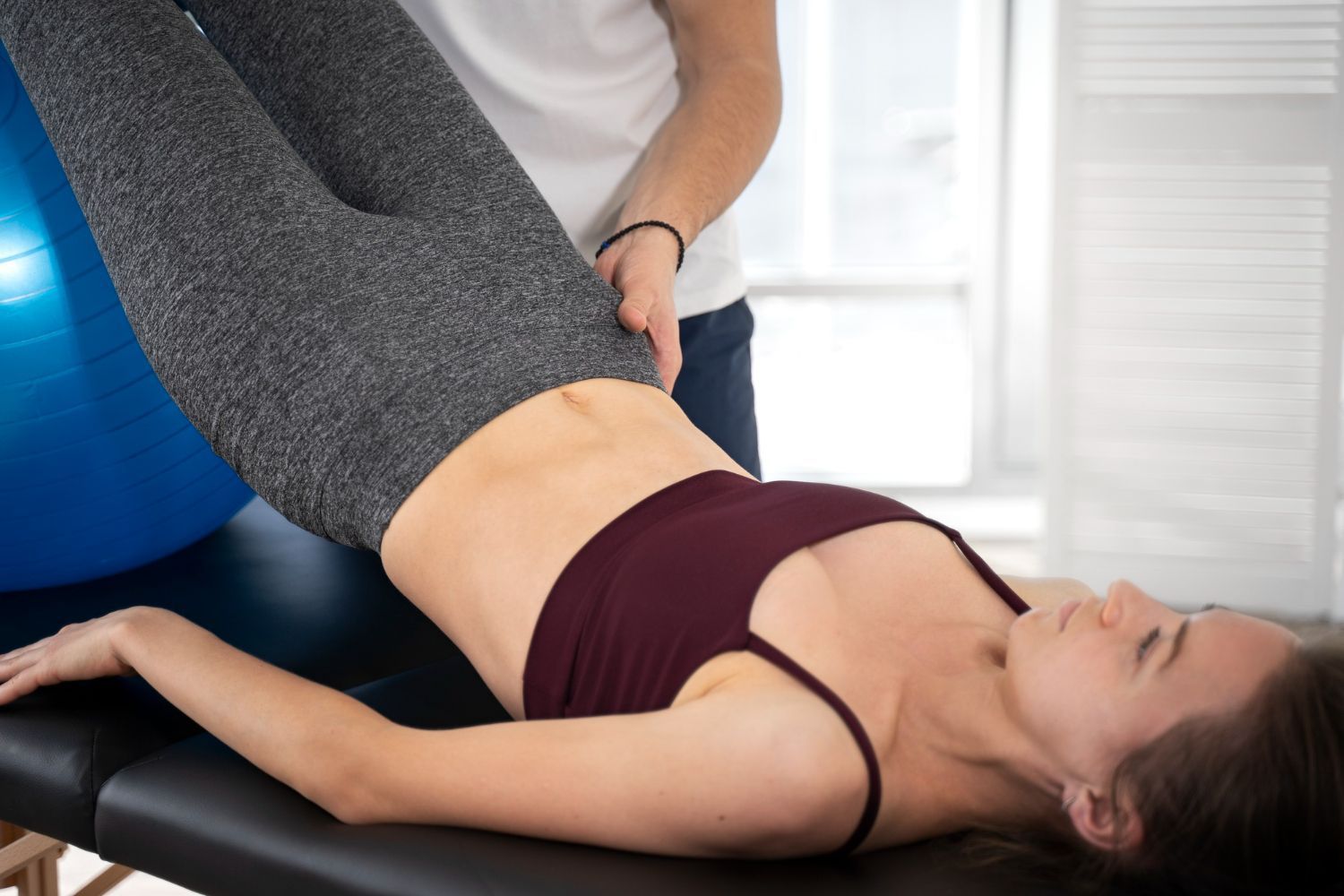
Winter Sports Injury Prevention: Tips from Physiotherapists

Winter is a time for exhilarating sports and activities such as skiing, snowboarding, ice skating, and even sledding. While these activities offer great fun and exercise, they also come with a higher risk of injuries. At Pembina Physiotherapy & Sports Injury Clinic, our experienced physiotherapists have seen firsthand how these injuries can impact your overall well-being. Fortunately, with the right precautions, many of these injuries can be prevented. Here are our top tips to keep you safe while enjoying your favorite winter sports.


Warm-Up and Stretching


Before diving into any physical activity, it's crucial to prepare your body with a proper warm-up and stretching routine. This helps increase blood flow to your muscles, which can improve flexibility and reduce the risk of strains and sprains. Start with light aerobic exercises like jogging or brisk walking for 5-10 minutes, followed by dynamic stretches that mimic the movements you'll be doing in your sport. Don’t forget to target major muscle groups like your quadriceps, hamstrings, calves, and shoulders.


Wear Proper Gear


Wearing appropriate gear is essential for both performance and safety. Helmets, pads, and proper footwear are non-negotiable. For skiing and snowboarding, make sure your boots fit well and your bindings are correctly adjusted. For ice skating, ensure that your skates fit snugly to provide good ankle support. Don’t overlook the importance of wearing moisture-wicking and insulated layers to keep your body warm and dry. Proper gear can significantly lower the chances of common winter sports injuries like concussions, fractures, and dislocations.


Know Your Limits


One of the most effective ways to prevent injuries is to know and respect your limits. Winter sports can be demanding on your body, and pushing yourself too hard can lead to serious injuries. It's essential to gradually build up your endurance and skills over time rather than trying to accomplish too much too soon. Listen to your body and take breaks when needed, and never hesitate to call it a day if you start feeling fatigued or sore.


Improve Your Technique


Good technique is critical for preventing injuries in any sport. Consider taking a lesson from a certified instructor to improve your skills and learn proper methods. Proper technique not only enhances your performance but also minimizes the risk of injuries. For instance, learning how to fall correctly can reduce the impact on your joints and bones, and mastering proper form can prevent muscle strains and overuse injuries.


Hydration and Nutrition


Staying hydrated and maintaining a balanced diet are often overlooked aspects of injury prevention. Dehydration can decrease your muscle strength and coordination, increasing the risk of injuries. Make sure to drink plenty of water before, during, and after your activities. A balanced diet rich in vitamins, minerals, and proteins helps maintain muscle health and energy levels. Don't underestimate the power of good nutrition in keeping your body in top form.


Conditioning and Strength Training


Strength training and conditioning exercises can prepare your body for the physical demands of winter sports. Focus on building the core, leg, and upper body strength to improve your stability and power. Incorporate exercises like squats, lunges, planks, and resistance training into your regular fitness routine. Conditioning exercises such as balance training and agility drills can also enhance your coordination and prevent falls.


Be Aware of Weather Conditions


Weather conditions can significantly impact safety during winter sports. Snow, ice, and wind can create challenging environments that increase the risk of injuries. Always check the weather forecast before heading out and be prepared to change your plans if conditions are hazardous. Also, be aware of signs of hypothermia and frostbite, which can occur even when you're active.


Regular Check-Ups and Physiotherapy


Finally, regular check-ups and consultations with a physiotherapist can help you stay in peak condition. At Pembina Physiotherapy & Sports Injury Clinic, we offer tailored physiotherapy programs designed to prepare your body for winter sports. Our experienced team can provide personalized exercises, techniques, and advice to minimize the risk of injuries and enhance your performance.


Stay Safe and Enjoy Winter Sports to the Fullest


Winter sports are a fantastic way to stay active and enjoy the season, but they come with their own set of risks. By following these expert tips from our physiotherapists at Pembina Physiotherapy & Sports Injury Clinic, you can significantly reduce the likelihood of injuries and enjoy a safer, more enjoyable winter sports season.


Get Started Today for a Safer Season Ahead!


Ready to take your winter sports performance to the next level and prevent injuries? Our experienced physiotherapists at Pembina Physiotherapy & Sports Injury Clinic are here to help. Contact us today to schedule a consultation and develop a personalized injury prevention plan tailored to your specific needs. Don't wait until it's too late—get in touch today and ensure a safe, fun-filled winter sports season!

Share This Blog
Man receiving physical therapy on his knee; therapist manipulating leg.
February 10, 2026
Learn how Pembina Physiotherapy guides your post-surgical knee rehab, using innovative methods for faster recovery and stronger outcomes.
Person holding their wrist, possibly due to pain or discomfort, with fingers and thumb gripping.
February 4, 2026
Experience relief from carpal tunnel syndrome with evidence-based physiotherapy exercises and treatments in Winnipeg.
Man assisting a young girl doing physical therapy on a mat. Blue balls and wall bars in the background.
January 27, 2026
Learn how pediatric physiotherapy addresses developmental delays, torticollis, and healthy growth in young children.
Physical therapist examining a patient's knee. Pink shirt, light room, gray exercise ball.
January 21, 2026
Find out why personalized one-on-one rehab is key to faster, safer recovery after joint replacement.
Person receiving cupping therapy on their back with three glass cups attached, and a hand holding a fourth.
January 13, 2026
Explore how cupping therapy at Pembina can ease winter muscle tightness and improve mobility.
January 7, 2026
A new year brings new beginnings—and for many in Winnipeg, it also marks a fresh start on the road to recovery after surgery. Whether you’ve had a joint replacement, sports injury repair, or any other surgical procedure, this is the perfect time to set realistic rehabilitation goals to regain your strength, mobility, and independence. At Pembina Physiotherapy & Sports Injury Clinic , we’re here to guide you through every step of your recovery journey, helping you make 2026 your healthiest year yet. Why Post-Surgical Rehab Matters After surgery, your body needs time, targeted movement, and professional care to heal properly. Post-surgical physiotherapy is critical for restoring muscle strength, improving joint mobility, and preventing complications such as stiffness or re-injury. Without a clear plan and expert guidance, it’s easy to lose motivation or push too hard, risking setbacks. That’s why setting achievable goals and working closely with a skilled physiotherapist can make all the difference. At Pembina Physiotherapy & Sports Injury Clinic, our team creates personalized, evidence-based rehabilitation plans designed to help you safely meet your milestones. Setting SMART Rehab Goals: A Framework for Success The most successful recovery plans use SMART goals—Specific, Measurable, Achievable, Relevant, and Time-bound. Rather than vague aspirations like “get better soon,” SMART goals give you a clear path to follow and make it easier to track your progress. For example: Specific: “I want to walk unaided for 10 minutes.” Measurable: “I will record my walking time each week.” Achievable: “Based on my progress, this is within reach this month.” Relevant: “This supports my independence and daily routine.” Time-bound: “I aim to achieve this by the end of January.” Your Pembina physiotherapist will help you break down your overall recovery into manageable steps, ensuring you stay motivated and celebrate each success along the way. Top Tips for Setting and Achieving Post-Surgical Rehab Goals 1. Know Your Baseline At your first post-surgical assessment, your physiotherapist will evaluate your current function, strength, and range of motion. Understanding your starting point is key for setting appropriate goals and tracking improvement. 2. Focus on What Matters Most to You Whether you want to get back to hiking the Winnipeg trails, playing with your grandchildren, or simply walking pain-free, let your therapist know what activities matter most. Personal goals are more motivating and make your rehab program feel truly relevant. 3. Pace Yourself Recovery takes time. Trying to rush the process can lead to setbacks or injury. Your physiotherapist will guide you through each stage at a pace that’s safe and effective for your body. 4. Stay Consistent with Home Exercises In-clinic treatments are important, but your effort at home will accelerate your progress. Follow your therapist’s instructions carefully, and communicate if you have difficulty with any exercises. Consistency is key! 5. Celebrate Small Wins Recovery is a journey, not a sprint. Take time to recognize every bit of progress, whether it’s increased flexibility, decreased pain, or regaining independence with daily tasks. Positive reinforcement keeps you motivated. How Pembina Physiotherapy & Sports Injury Clinic Supports Your Recovery At Pembina Physiotherapy & Sports Injury Clinic, we offer: Individualized post-surgical assessments to design your unique recovery plan Hands-on manual therapy, exercise prescription, and education to build strength and function Guidance for safe return to daily activities, work, and recreation Direct billing to many insurance providers for hassle-free service We work with you to overcome obstacles, adjust goals as needed, and provide ongoing encouragement. Our team uses the latest research and advanced techniques to ensure you receive the highest standard of care, right here in Winnipeg. Start Your New Year Strong: Book Your Post-Surgical Rehab Assessment Today As you set your intentions for the year ahead, prioritize your health and recovery. With the right support and clear, achievable goals, you can return to the activities and lifestyle you love. Pembina Physiotherapy & Sports Injury Clinic is proud to be Winnipeg’s trusted partner in post-surgical rehabilitation. Don’t wait to take the first step toward a stronger, more active you. Call us today or book your assessment online at www.pembinaphysiotherapy.com . Let’s make 2026 the year you reclaim your strength, confidence, and independence—one milestone at a time.
Woman doing exercise with ball, assisted by therapist in a clinic.
December 23, 2025
Beat winter inactivity! Get home exercise tips from Pembina Physiotherapy’s expert therapists.
Woman adjusting shoulder of man with kinesiology tape; clinic.
December 17, 2025
Stay active and injury-free with winter sports safety advice from Pembina Physiotherapy’s expert team.
Woman helps an elderly woman with arm exercise, indoor setting.
December 9, 2025
Learn how manual therapy improves mobility, balance, and confidence for seniors during icy winter days.
Person in blue gloves inserting acupuncture needles into skin.
December 3, 2025
Understand both techniques used within physiotherapy care. See when each helps tight necks, backs and calves after skating or shoveling. Safe, evidence-informed.