Staying Injury-Free During Fall Sports: Essential Tips for Student Athletes
Pembina Physiotherapy & Sports Injury Clinic • August 13, 2025
Autumn makes local fields and gyms come alive with the energy of student athletes ready to embrace fall sports like football, soccer, cross country, and volleyball. While this season is full of excitement, it also brings an increased risk of sports injuries. At Pembina Physiotherapy & Sports Injury Clinic, we are passionate about keeping young athletes safe, healthy, and at the top of their game. Whether you’re a parent, coach, or student athlete, these essential injury prevention tips will help you enjoy a thriving, injury-free fall sports season.
Why Fall Sports Present Unique Injury Risks
Fall in Manitoba means fluctuating weather, slippery outdoor surfaces, and a busy athletic schedule. Student athletes, eager to maximize performance, may push themselves too hard or skip critical warm-ups, leading to sprains, strains, or overuse injuries. Understanding the risks unique to our local climate and competitive environment is the first step in injury prevention for Winnipeg youth.
Warm-Up and Cool Down: The Foundation of Injury Prevention
One of the simplest yet most effective ways to avoid sports injuries is to properly warm up and cool down before and after practices or games. Dynamic stretching, light jogging, and sport-specific drills prepare the body for action—especially in colder autumn temperatures.
Essential Warm-Up Tips for Fall Sports:
- Start with 5-10 minutes of aerobic activity (e.g., brisk walking or jogging).
- Incorporate dynamic stretches like high knees, butt kicks, and lunges.
- Include sport-specific movements (e.g., passing drills for soccer, jumping drills for volleyball).
- End with a gentle cool-down, including static stretching for all major muscle groups.
By gradually increasing heart rate and flexibility, these routines help prevent muscle strains, ligament sprains, and other sports-related injuries.
Pay Attention to Proper Technique and Body Mechanics
Regardless of the sport, using proper form is crucial for injury prevention. Coaches and trainers should provide ongoing feedback about posture, body mechanics, and technique. Whether it’s maintaining the correct landing form in volleyball or the right posture for running in cross country, small adjustments can have a big impact.
Common Technique Tips for Student Athletes:
- Never compromise form for speed or power.
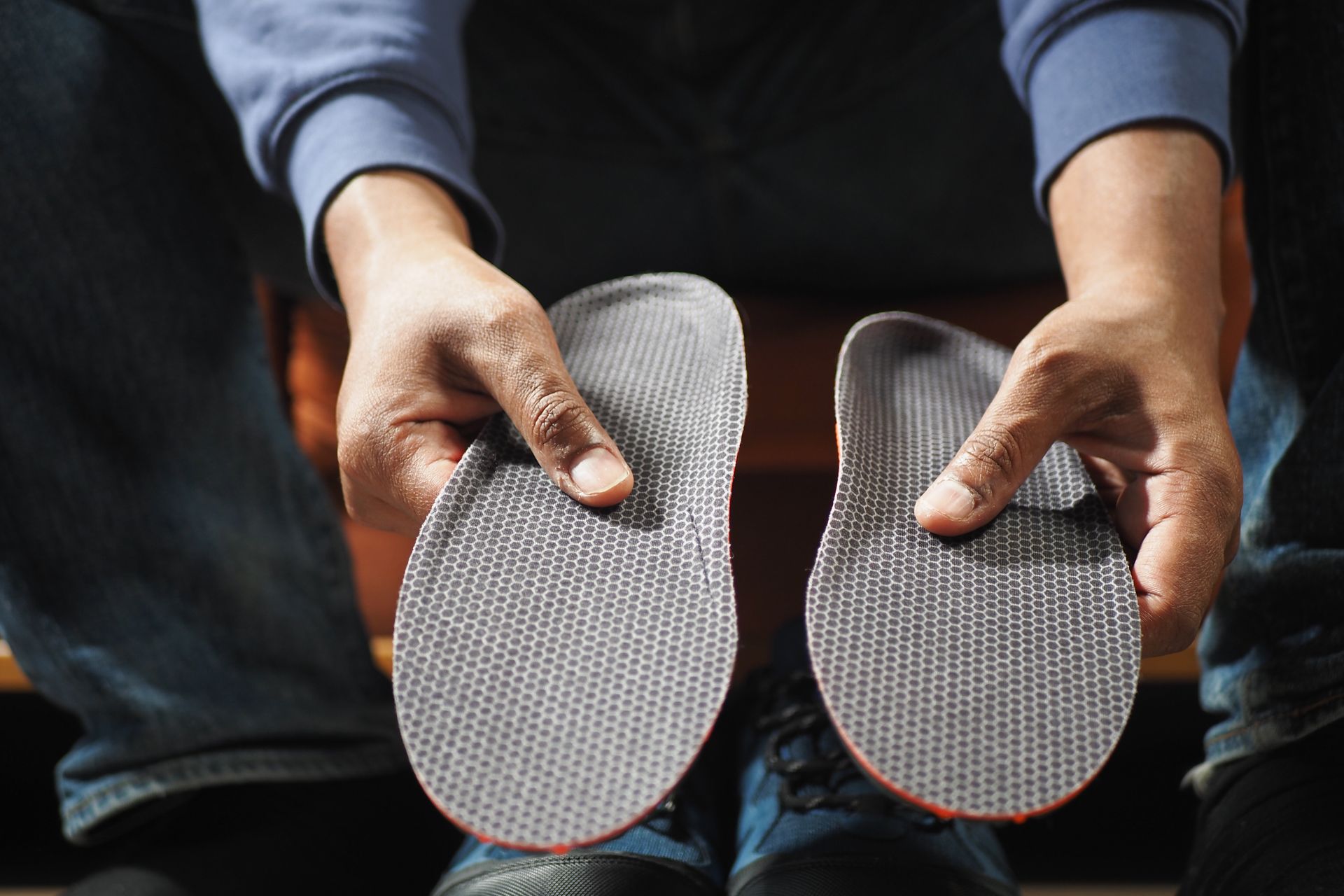
- Use protective gear that fits well and is sport-appropriate.
- Avoid “overtraining” by allowing time for rest and recovery.
Stay Strong and Flexible with Targeted Exercises
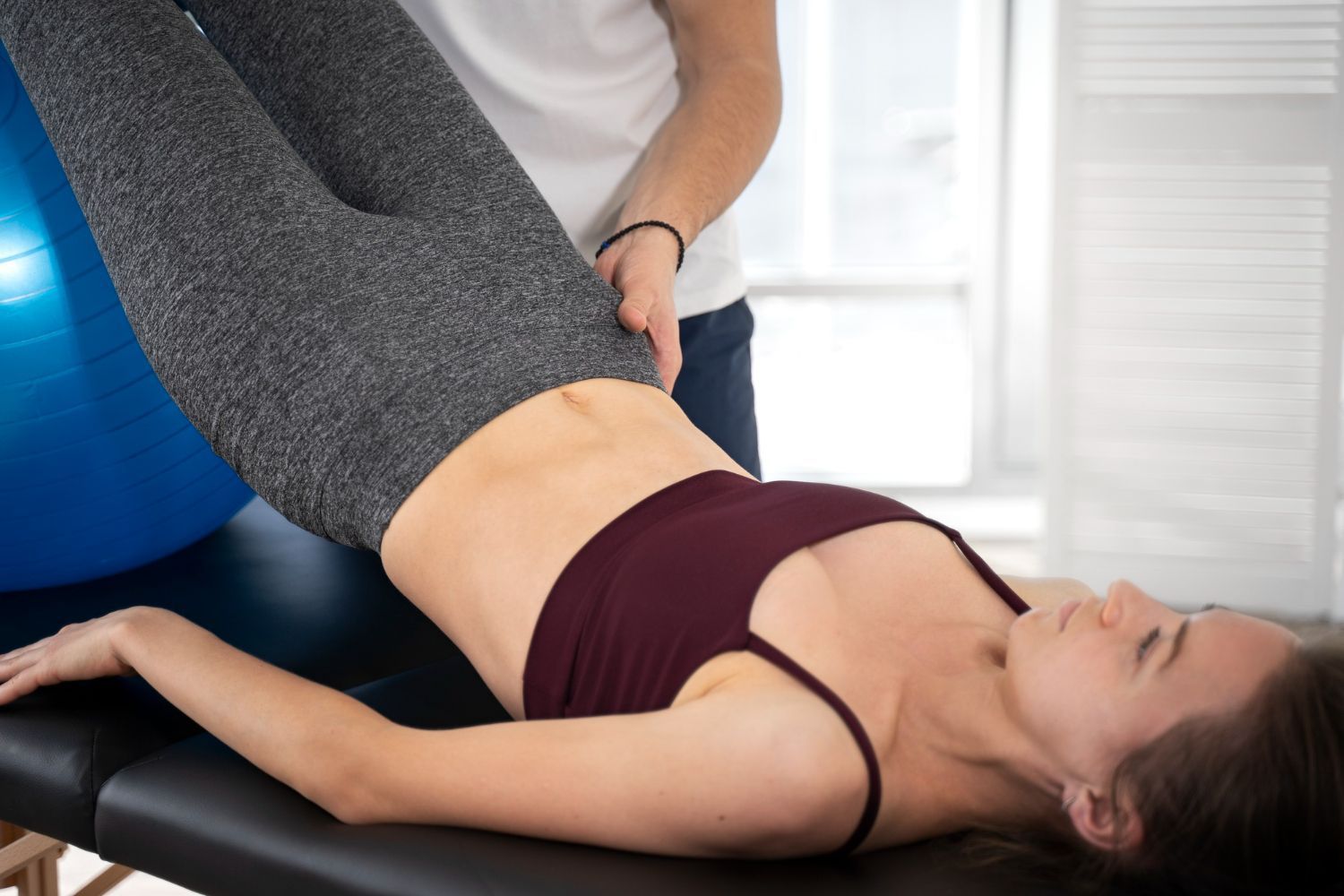
Strength, balance, and flexibility are key components of a resilient athlete. At Pembina Physiotherapy & Sports Injury Clinic, our therapists use evidence-based exercise programs tailored to each athlete’s needs. We recommend integrating:
- Strength training for core, legs, and upper body
- Balance exercises to improve stability and reduce falls
- Flexibility routines to maintain joint and muscle health
If your school does not provide these resources, our clinic offers personalized exercise therapy and injury prevention programs for youth athletes in Winnipeg.
Manage Minor Injuries Promptly
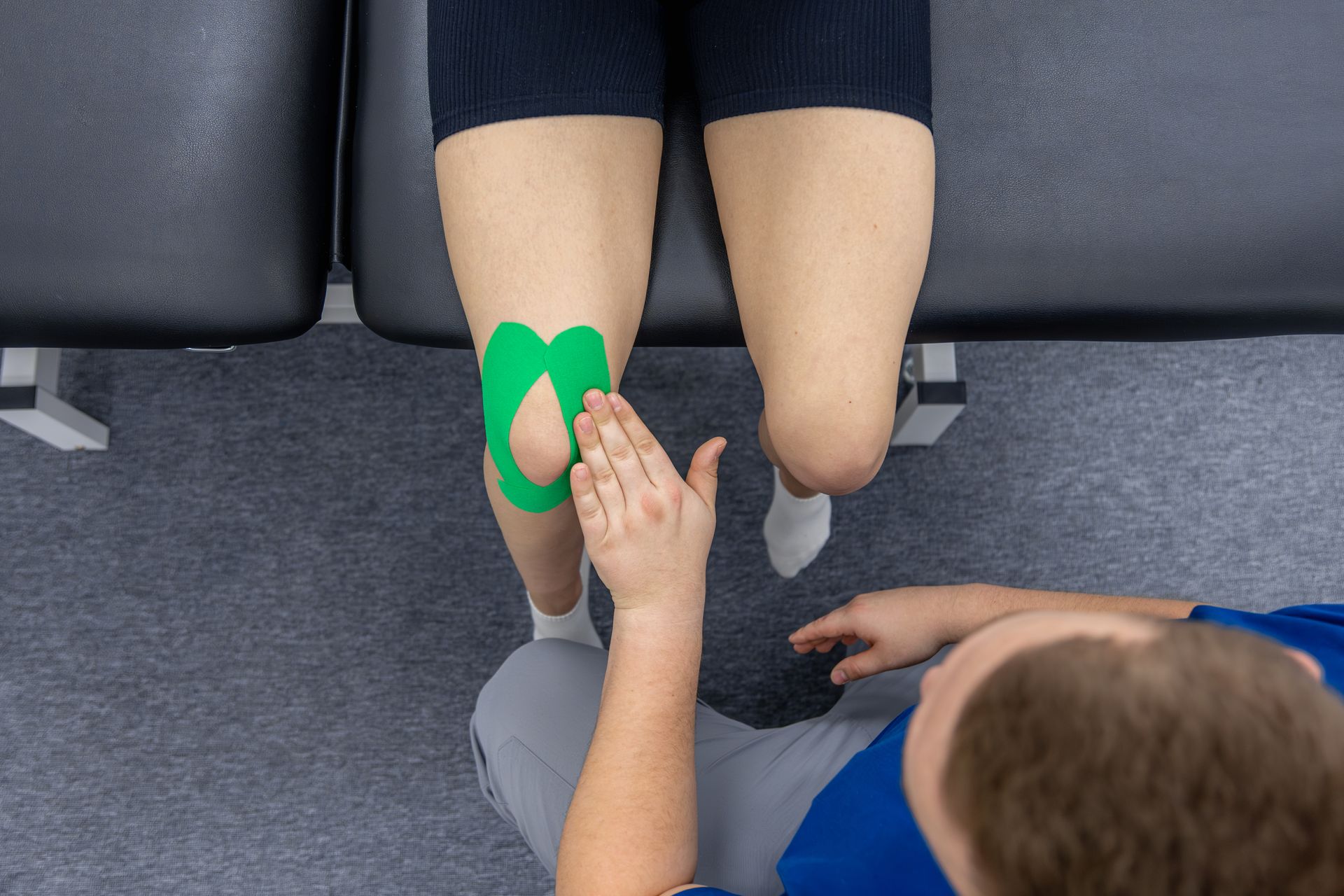
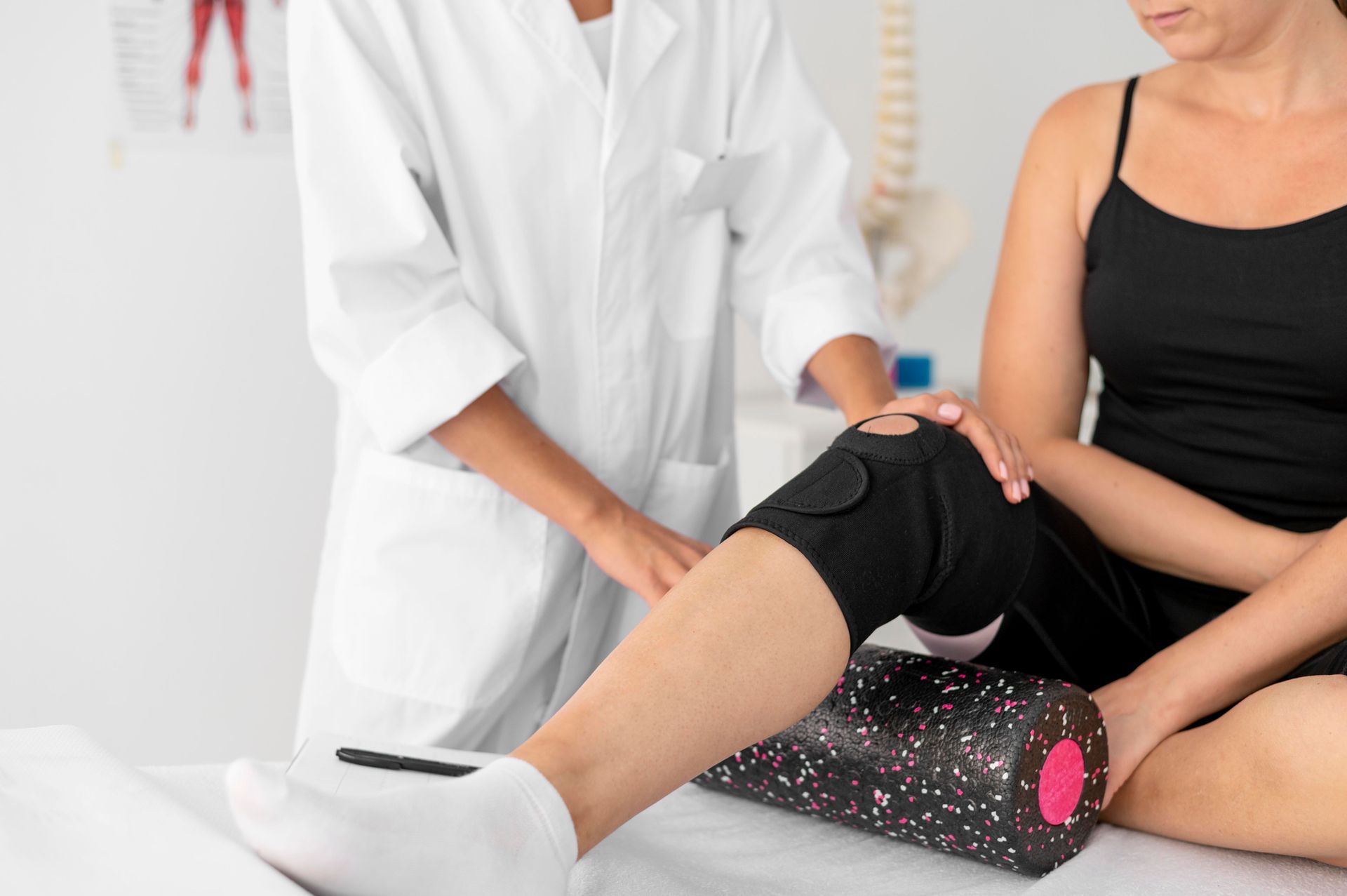
Ignoring aches and pains can turn a minor issue into a serious injury. If you experience persistent discomfort, swelling, or reduced mobility, act quickly. Early intervention through physiotherapy, manual therapy, or taping can speed recovery and prevent further damage.
When to Seek Professional Help:
- Sharp or persistent pain after sports
- Swelling or bruising that doesn’t improve
- Decreased range of motion or strength
Our clinic provides comprehensive assessments and evidence-based treatments, including manual therapy, dry needling, and custom taping solutions.
The Importance of Rest and Recovery
Manitoba’s student athletes often juggle multiple sports and academic commitments. However, rest days and good sleep are essential for muscle repair and injury prevention. Encourage your child to:
- Take at least one full rest day per week
- Prioritize quality sleep (8-10 hours for teens)
- Listen to their body and communicate fatigue or pain
Trust Local Experts in Sports Injury Prevention
At Pembina Physiotherapy & Sports Injury Clinic, we support student athletes and their families throughout the fall sports season. Our local team, based on Pembina Highway in Winnipeg, specializes in pediatric physiotherapy, sports injury management, and customized recovery plans designed for youth and teens.
If you want to ensure your child stays injury-free, or if they need help recovering from a sports injury, contact us today. Book an appointment for a thorough assessment and let us work with you to create a personalized plan that keeps you active and healthy all season long.
Ready to put safety and well-being first this fall? Call Pembina Physiotherapy & Sports Injury Clinic or visit our website to schedule your consultation. Let us help you stay strong, safe, and in the game—this season and beyond.
Share This Blog