Managing Sports Injuries: Expert Tips for Prevention & Recovery

Engaging in sports and physical activities is an excellent way to maintain a healthy lifestyle, but it also comes with the risk of injuries. At Pembina Physiotherapy & Sports Injury Clinic in Winnipeg, we understand how crucial it is to keep our athletes on the move safely. Whether you're a seasoned professional or a weekend warrior, knowing how to prevent and recover from sports injuries is key to sustaining long-term participation in your favorite activities. Read on for expert tips on managing sports injuries, straight from our experienced physiotherapists.


Understanding Common Sports Injuries


Before diving into prevention and recovery strategies, it’s vital to identify some common sports injuries. These typically include sprains, strains, fractures, dislocations, and tendinitis. Each injury has its own set of symptoms and treatment protocols, which means that proper diagnosis is essential. If you suspect an injury, seeking professional medical advice immediately can help mitigate the risk of further damage.


Prevention: The Golden Rule


The best way to manage sports injuries is to prevent them from happening in the first place. Here are proactive strategies to help you stay injury-free:


1. Warm-Up and Cool Down


Never underestimate the power of a good warm-up and cool down routine. Warming up increases your heart rate, improves blood circulation, and prepares your muscles for the physical demands of your activity. Likewise, cooling down helps to return your body to its resting state, preventing muscle stiffness and soreness. Consider dynamic stretches and gentle jogging for a warm-up, followed by static stretches for your cool down.


2. Correct Technique and Form


Improper form is a common cause of sports injuries. Whether you're lifting weights or running a marathon, maintaining the correct posture and technique is crucial. Invest time in learning the fundamentals from a trained coach or physiotherapist to avoid developing bad habits that can lead to injuries.


3. Use Appropriate Gear


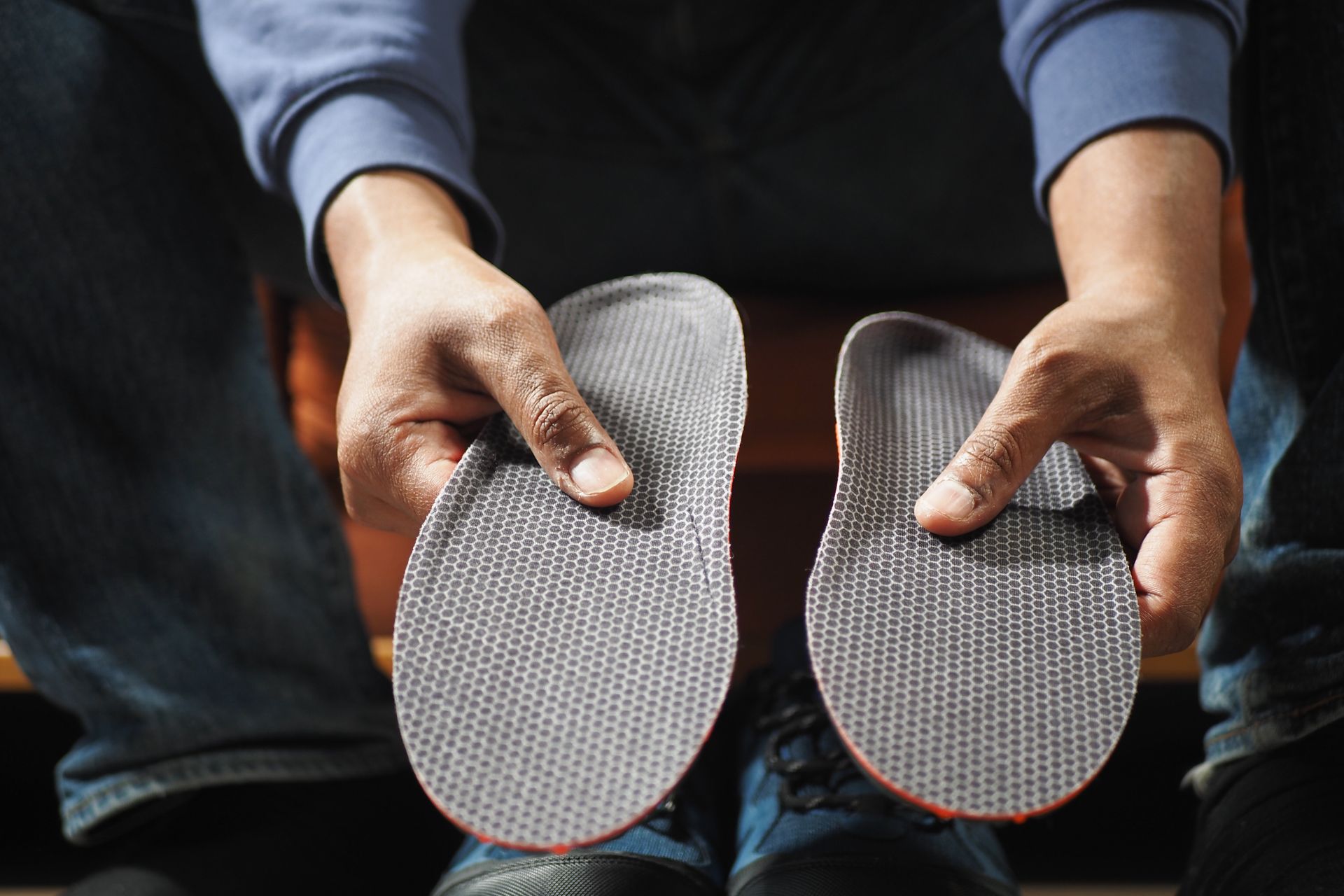
Wearing the right sports gear can make a significant difference. From running shoes that provide adequate arch support to helmets that protect from head injuries, every piece of equipment should serve a protective function. Check that your gear fits well and is designed specifically for your sport.


4. Cross-Training


Diversifying your exercise routine with cross-training can help balance the use of different muscle groups, reducing overuse injuries. For example, if you’re a runner, incorporating swimming or cycling can improve your cardiovascular fitness without putting additional stress on your joints.


5. Listen to Your Body


One of the simplest, yet most effective prevention strategies is listening to your body. Pain is a signal that something is wrong, and ignoring it can lead to more severe injuries. If you feel persistent pain, fatigue, or discomfort during an activity, take a break and consult a healthcare professional.


Recovery: Getting Back on Track


In the unfortunate event of a sports injury, timely and effective recovery is crucial for returning to your activities safely. Here’s how:


1. Immediate Care: R.I.C.E Protocol


The R.I.C.E protocol—Rest, Ice, Compression, Elevation—is a tried and true method for initial injury management. Rest allows your body to repair itself, ice reduces swelling and numbs pain, compression controls swelling, and elevation minimizes blood flow to the affected area, further reducing swelling.


2. Physiotherapy


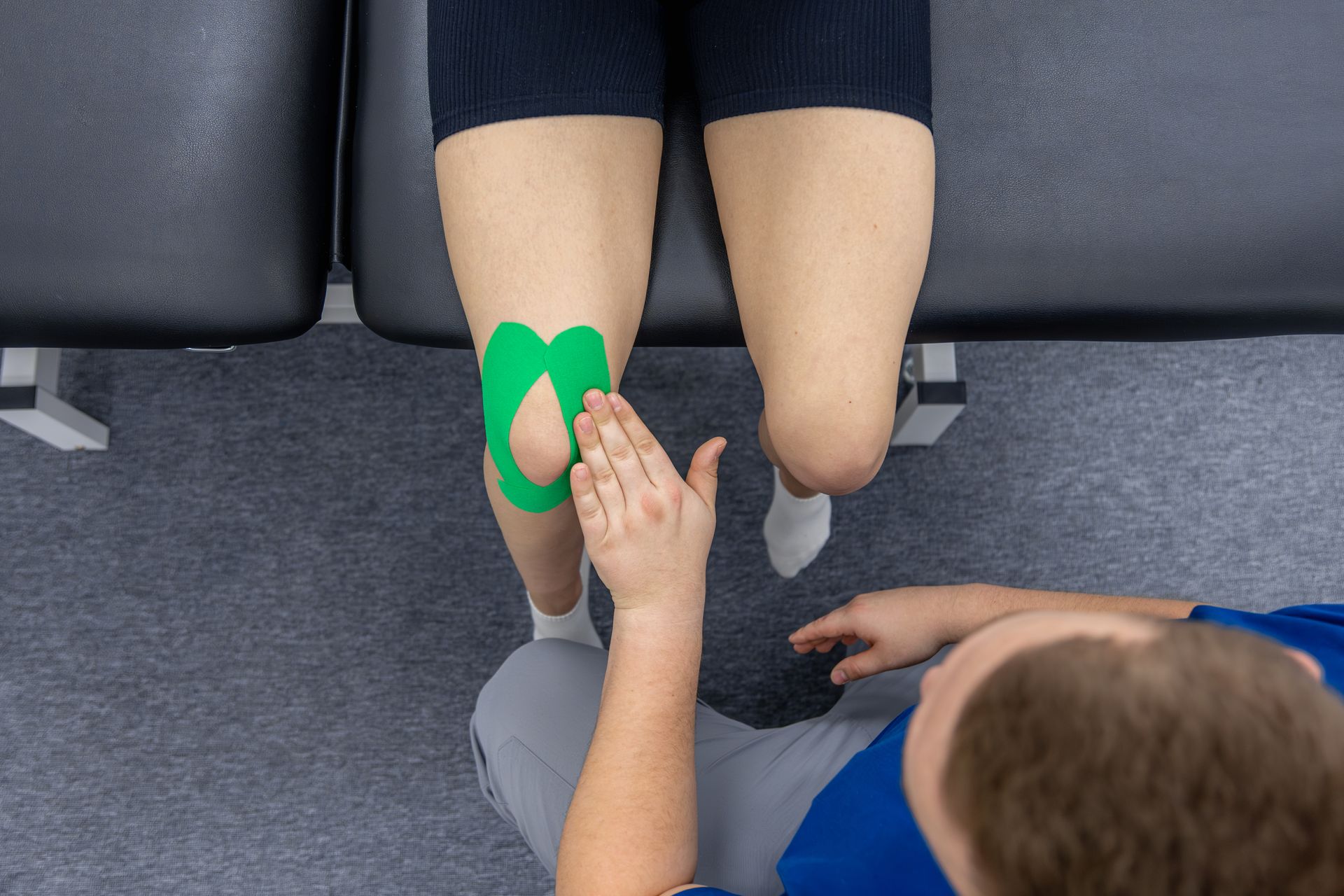
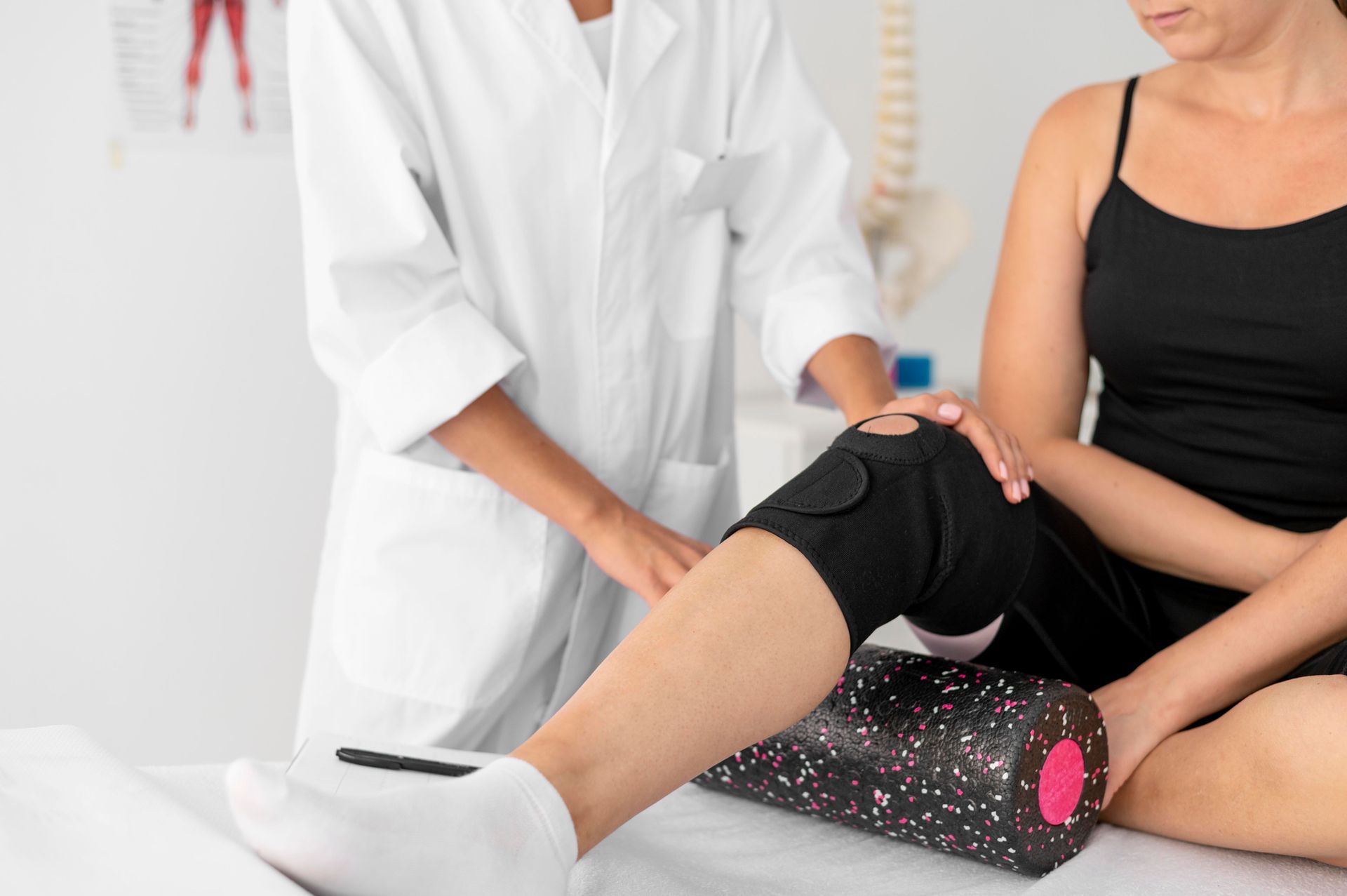
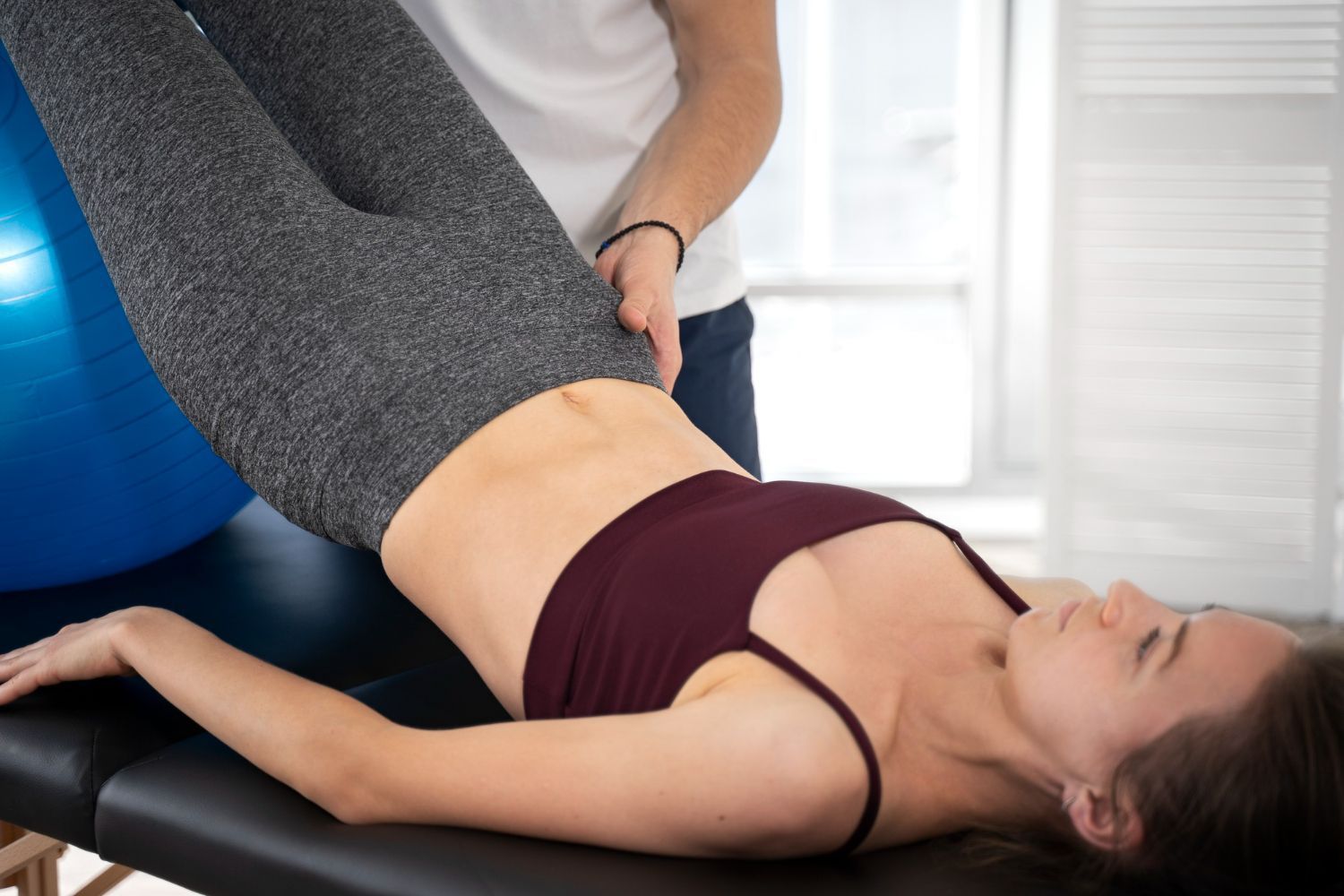
Physiotherapy plays a significant role in recovery, offering a range of treatments to restore function and mobility. At Pembina Physiotherapy & Sports Injury Clinic, our skilled therapists use techniques such as manual therapy, exercise therapy, and therapeutic taping to aid in your recovery process. Personalized treatment plans are essential to addressing the root causes of your injury.


3. Gradual Return to Activity


It's tempting to return to your sport as soon as you feel better, but rushing back can lead to re-injury. Follow a structured rehabilitation plan and only return to physical activity when cleared by a healthcare professional. Gradually increasing the intensity and duration of your activities will help you regain strength and confidence.


4. Nutrition and Hydration


A balanced diet rich in nutrients supports tissue repair and recovery. Make sure to stay hydrated and consume meals that include protein, healthy fats, and vitamins. Supplements such as omega-3 fatty acids and collagen can support joint health and repair.


5. Mental Well-being


Injury can take a mental toll as well as a physical one. Anxiety, frustration, and depression are common among athletes dealing with injuries. Consider seeking support from mental health professionals if needed, and maintain a positive outlook by setting realistic recovery milestones.


Your Path to Recovery Starts Here!


At Pembina Physiotherapy & Sports Injury Clinic, we are dedicated to helping you stay active and healthy. Whether you're seeking advice on injury prevention or need specialized treatment for recovery, our team is here to support you every step of the way. Contact us today at (204) 261-7190 to schedule your consultation with our expert therapists. Don’t let injuries hold you back—take charge of your health and get back to doing what you love!


Remember to call Pembina Physiotherapy & Sports Injury Clinic at (204) 261-7190 or visit our website at www.pembinaphysiotherapy.com for more information. Your well-being is our priority, and we are here to ensure you achieve and maintain optimal physical health. Let us be part of your journey to recovery and beyond.

Share This Blog
Man receiving physical therapy on his knee; therapist manipulating leg.
February 10, 2026
Learn how Pembina Physiotherapy guides your post-surgical knee rehab, using innovative methods for faster recovery and stronger outcomes.
Person holding their wrist, possibly due to pain or discomfort, with fingers and thumb gripping.
February 4, 2026
Experience relief from carpal tunnel syndrome with evidence-based physiotherapy exercises and treatments in Winnipeg.
Man assisting a young girl doing physical therapy on a mat. Blue balls and wall bars in the background.
January 27, 2026
Learn how pediatric physiotherapy addresses developmental delays, torticollis, and healthy growth in young children.
Physical therapist examining a patient's knee. Pink shirt, light room, gray exercise ball.
January 21, 2026
Find out why personalized one-on-one rehab is key to faster, safer recovery after joint replacement.
Person receiving cupping therapy on their back with three glass cups attached, and a hand holding a fourth.
January 13, 2026
Explore how cupping therapy at Pembina can ease winter muscle tightness and improve mobility.
January 7, 2026
A new year brings new beginnings—and for many in Winnipeg, it also marks a fresh start on the road to recovery after surgery. Whether you’ve had a joint replacement, sports injury repair, or any other surgical procedure, this is the perfect time to set realistic rehabilitation goals to regain your strength, mobility, and independence. At Pembina Physiotherapy & Sports Injury Clinic , we’re here to guide you through every step of your recovery journey, helping you make 2026 your healthiest year yet. Why Post-Surgical Rehab Matters After surgery, your body needs time, targeted movement, and professional care to heal properly. Post-surgical physiotherapy is critical for restoring muscle strength, improving joint mobility, and preventing complications such as stiffness or re-injury. Without a clear plan and expert guidance, it’s easy to lose motivation or push too hard, risking setbacks. That’s why setting achievable goals and working closely with a skilled physiotherapist can make all the difference. At Pembina Physiotherapy & Sports Injury Clinic, our team creates personalized, evidence-based rehabilitation plans designed to help you safely meet your milestones. Setting SMART Rehab Goals: A Framework for Success The most successful recovery plans use SMART goals—Specific, Measurable, Achievable, Relevant, and Time-bound. Rather than vague aspirations like “get better soon,” SMART goals give you a clear path to follow and make it easier to track your progress. For example: Specific: “I want to walk unaided for 10 minutes.” Measurable: “I will record my walking time each week.” Achievable: “Based on my progress, this is within reach this month.” Relevant: “This supports my independence and daily routine.” Time-bound: “I aim to achieve this by the end of January.” Your Pembina physiotherapist will help you break down your overall recovery into manageable steps, ensuring you stay motivated and celebrate each success along the way. Top Tips for Setting and Achieving Post-Surgical Rehab Goals 1. Know Your Baseline At your first post-surgical assessment, your physiotherapist will evaluate your current function, strength, and range of motion. Understanding your starting point is key for setting appropriate goals and tracking improvement. 2. Focus on What Matters Most to You Whether you want to get back to hiking the Winnipeg trails, playing with your grandchildren, or simply walking pain-free, let your therapist know what activities matter most. Personal goals are more motivating and make your rehab program feel truly relevant. 3. Pace Yourself Recovery takes time. Trying to rush the process can lead to setbacks or injury. Your physiotherapist will guide you through each stage at a pace that’s safe and effective for your body. 4. Stay Consistent with Home Exercises In-clinic treatments are important, but your effort at home will accelerate your progress. Follow your therapist’s instructions carefully, and communicate if you have difficulty with any exercises. Consistency is key! 5. Celebrate Small Wins Recovery is a journey, not a sprint. Take time to recognize every bit of progress, whether it’s increased flexibility, decreased pain, or regaining independence with daily tasks. Positive reinforcement keeps you motivated. How Pembina Physiotherapy & Sports Injury Clinic Supports Your Recovery At Pembina Physiotherapy & Sports Injury Clinic, we offer: Individualized post-surgical assessments to design your unique recovery plan Hands-on manual therapy, exercise prescription, and education to build strength and function Guidance for safe return to daily activities, work, and recreation Direct billing to many insurance providers for hassle-free service We work with you to overcome obstacles, adjust goals as needed, and provide ongoing encouragement. Our team uses the latest research and advanced techniques to ensure you receive the highest standard of care, right here in Winnipeg. Start Your New Year Strong: Book Your Post-Surgical Rehab Assessment Today As you set your intentions for the year ahead, prioritize your health and recovery. With the right support and clear, achievable goals, you can return to the activities and lifestyle you love. Pembina Physiotherapy & Sports Injury Clinic is proud to be Winnipeg’s trusted partner in post-surgical rehabilitation. Don’t wait to take the first step toward a stronger, more active you. Call us today or book your assessment online at www.pembinaphysiotherapy.com . Let’s make 2026 the year you reclaim your strength, confidence, and independence—one milestone at a time.
Woman doing exercise with ball, assisted by therapist in a clinic.
December 23, 2025
Beat winter inactivity! Get home exercise tips from Pembina Physiotherapy’s expert therapists.
Woman adjusting shoulder of man with kinesiology tape; clinic.
December 17, 2025
Stay active and injury-free with winter sports safety advice from Pembina Physiotherapy’s expert team.
Woman helps an elderly woman with arm exercise, indoor setting.
December 9, 2025
Learn how manual therapy improves mobility, balance, and confidence for seniors during icy winter days.
Person in blue gloves inserting acupuncture needles into skin.
December 3, 2025
Understand both techniques used within physiotherapy care. See when each helps tight necks, backs and calves after skating or shoveling. Safe, evidence-informed.